Communication Case | At the South China International Stomatology Exhibition, Everyone Is a Cover Star
 |
"The medium is the message"
The medium is the message.
— Marshall McLuhan
Preface
How should interaction be designed for a major industry exhibition?
There is no standard answer to this question, but there is a common failure mode: the event ends, the crowd disperses, and participants leave with nothing—neither memories nor stories.
Exhibitions are, in essence, gatherings of people. Thousands of practitioners, with their own experiences, identities, confusions, and expectations, meet in the same space. This gathering is extremely precious, yet it is also easily wasted on superficial product displays. What good exhibition interaction should do is make every individual feel, upon leaving, that they have left something here and taken something away.
Dental South China International Expo is not an ordinary industry gathering. Thirty years of accumulation have long made its significance more than just numbers—82,000 square meters, over 1,150 exhibitors, more than 300 top Chinese and international experts, over 200 professional conferences... These are the foundation, and also the confidence for any communication activity that takes place here.
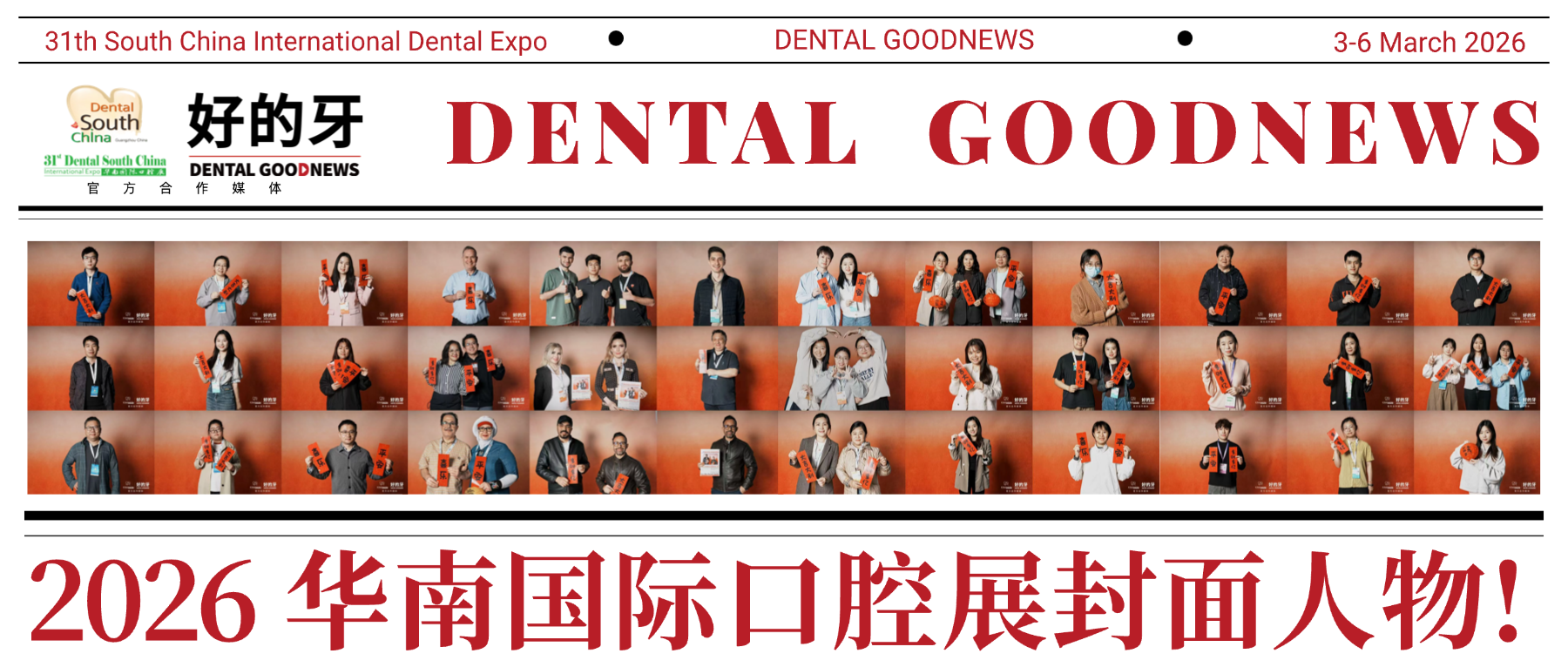
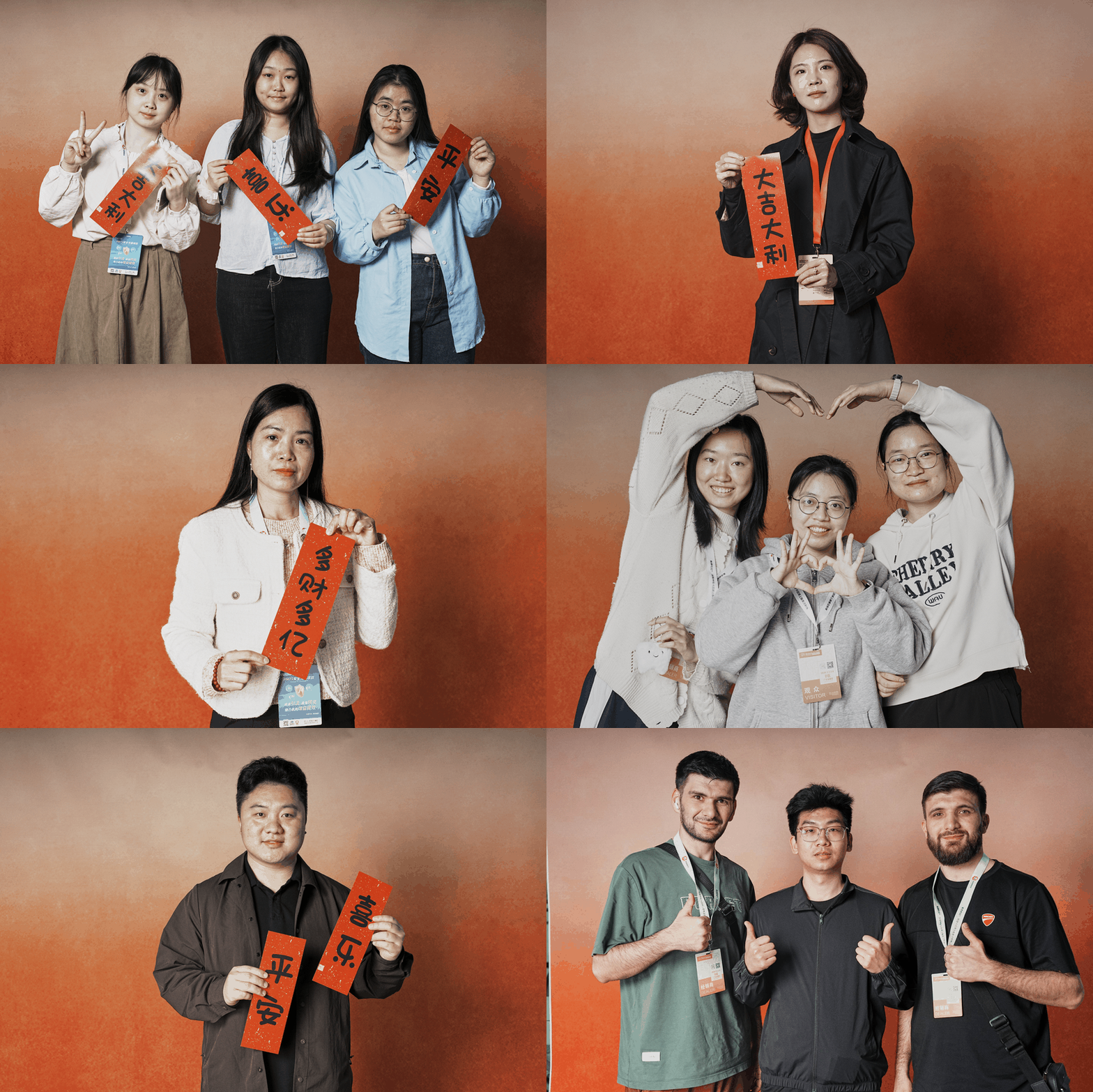
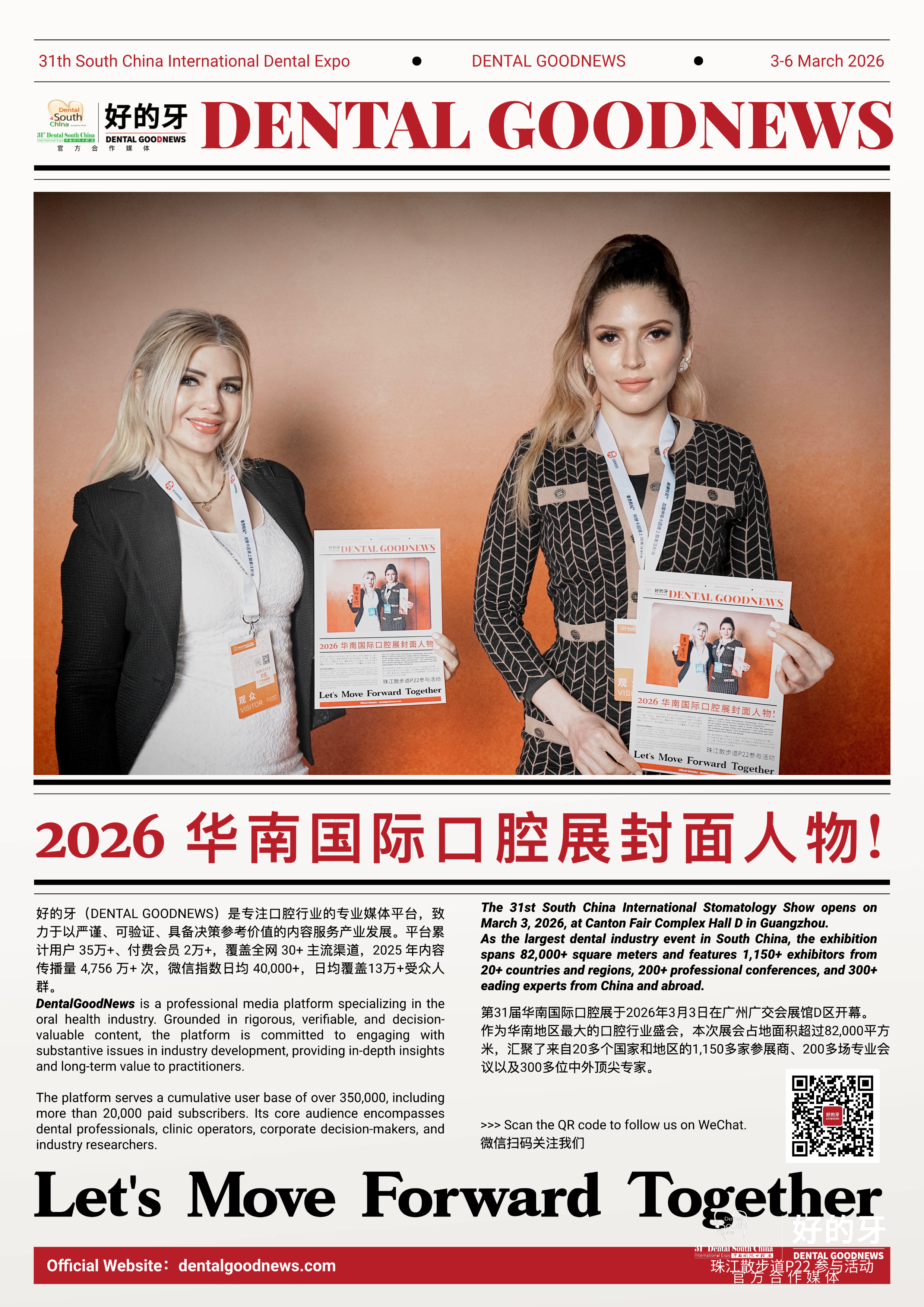
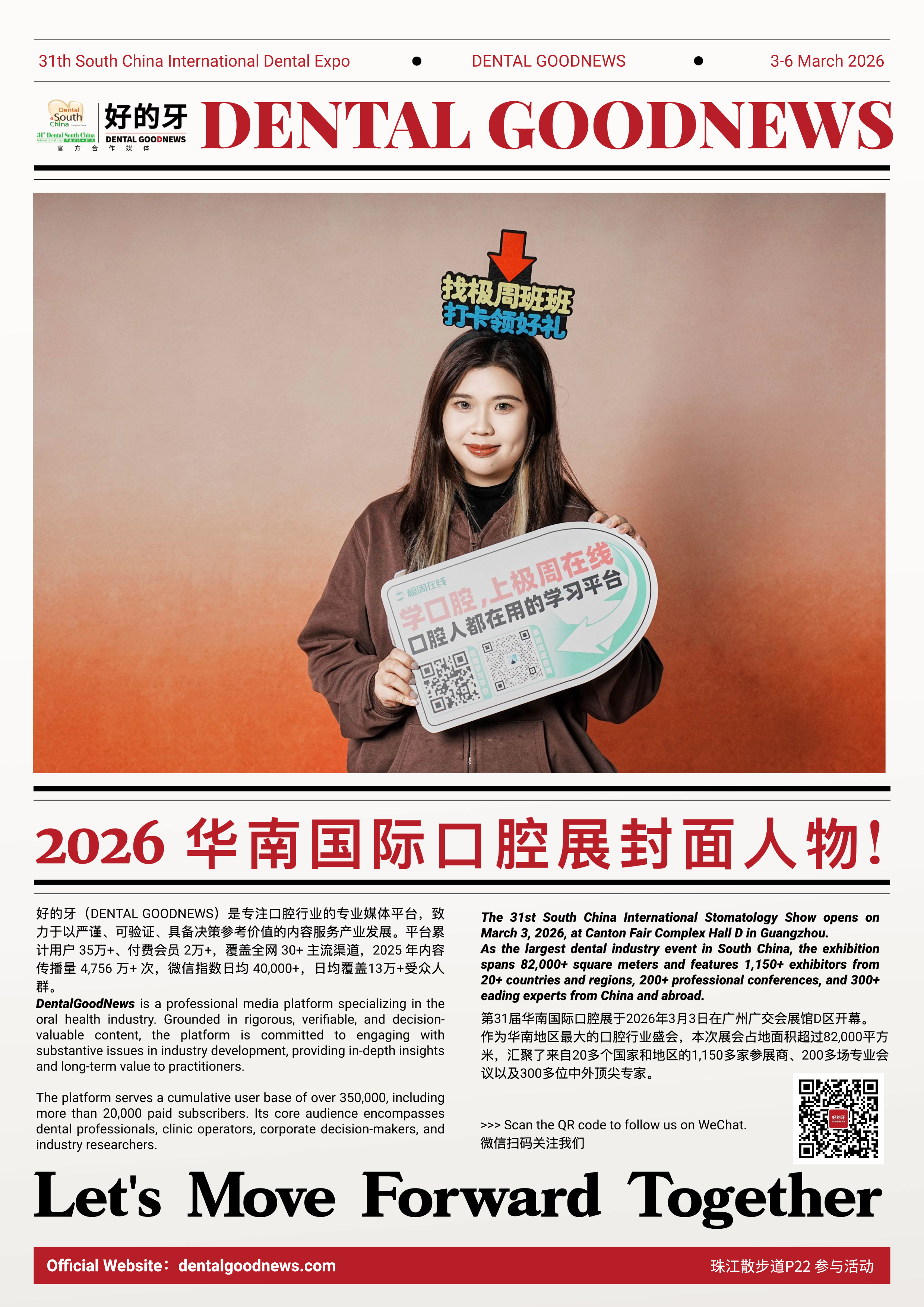
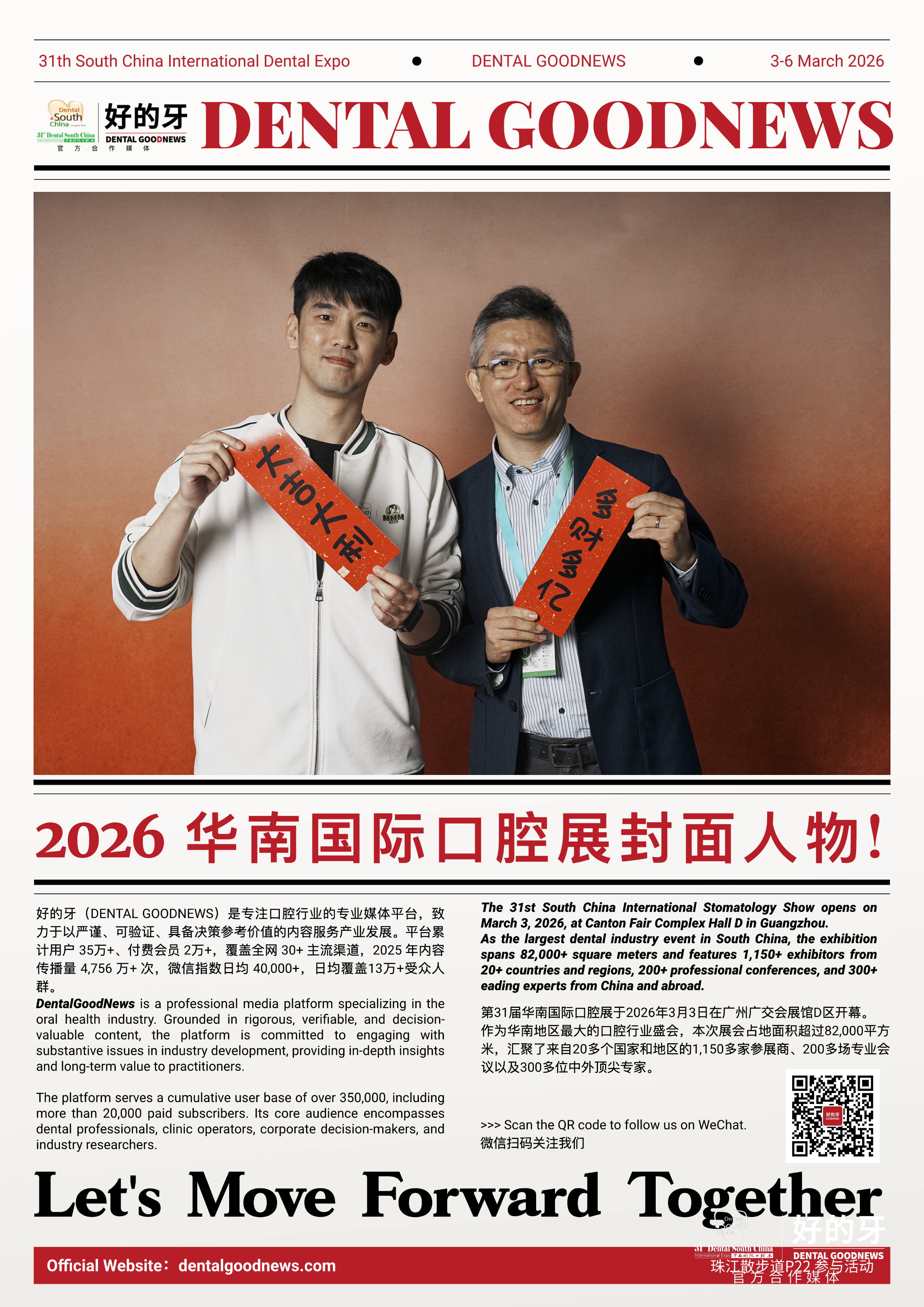
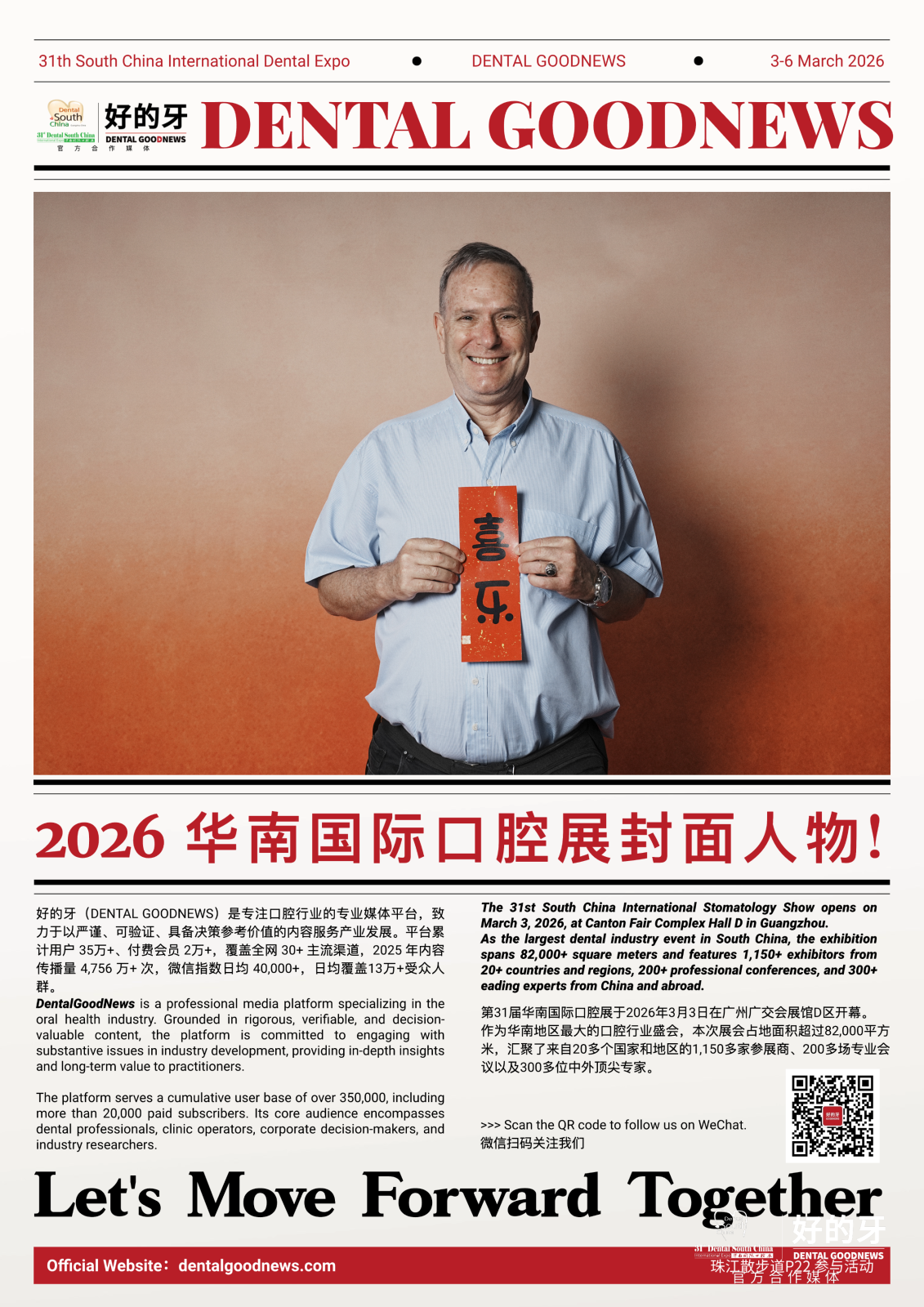
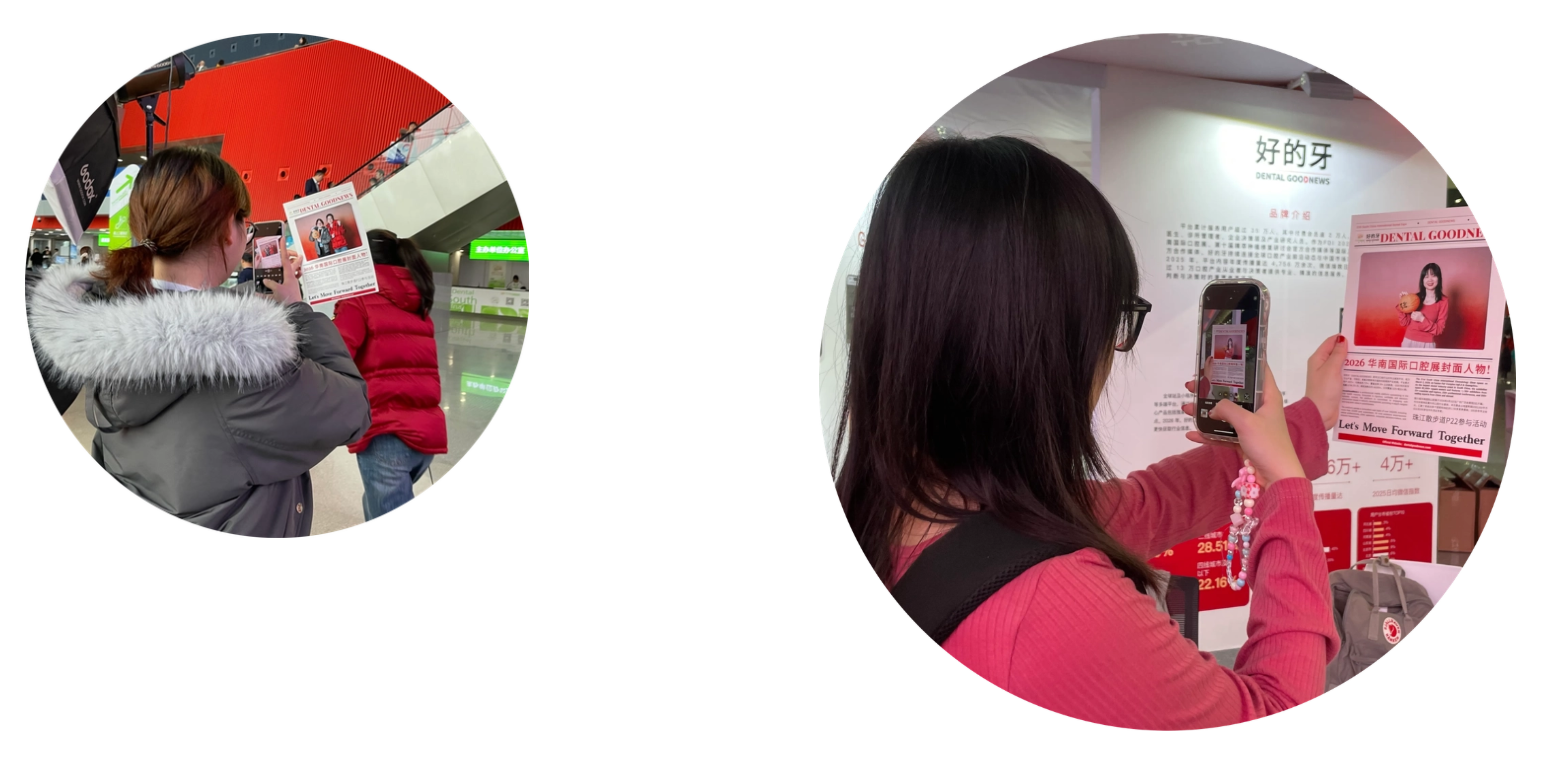
For the 2026 Dental South China International Expo, we wanted to make this a reality. At booth P22 on the Pearl River Promenade, DENTALGOODNEWS (Leading Dental Industry Media, DGN) set up a "Cover Star" photo activity: participants held red Spring Festival couplet props for on-site photos, which were instantly printed as personalized newspaper pages to take away, with the cover marked "Cover Star of Dental South China International Expo 2026".
 |
The format of the on-site activity is not complex, but we wish to share the reasoning behind every choice in the activity planning.
As follows:
Time & Props—One Festival, Diverse Joys
The opening day of this year's Dental South China International Expo coincided with the 2026 Lantern Festival. This is a time window rarely actively utilized.
The cultural semantics of the Lantern Festival are completeness, reunion, and celebration—forming a natural contrast with the usual "serious, professional, business" tone of dental industry exhibitions. The DGN team chose red Spring Festival couplets as props, rather than industry logos or product images, essentially borrowing the emotional reservoir of the festival: allowing participants to do something at the exhibition they wouldn't normally do—take a Lantern Festival family portrait with family, colleagues, or partners. The reason for sharing this photo thus gains dual support: it is both an exhibition memento and a festival keepsake.
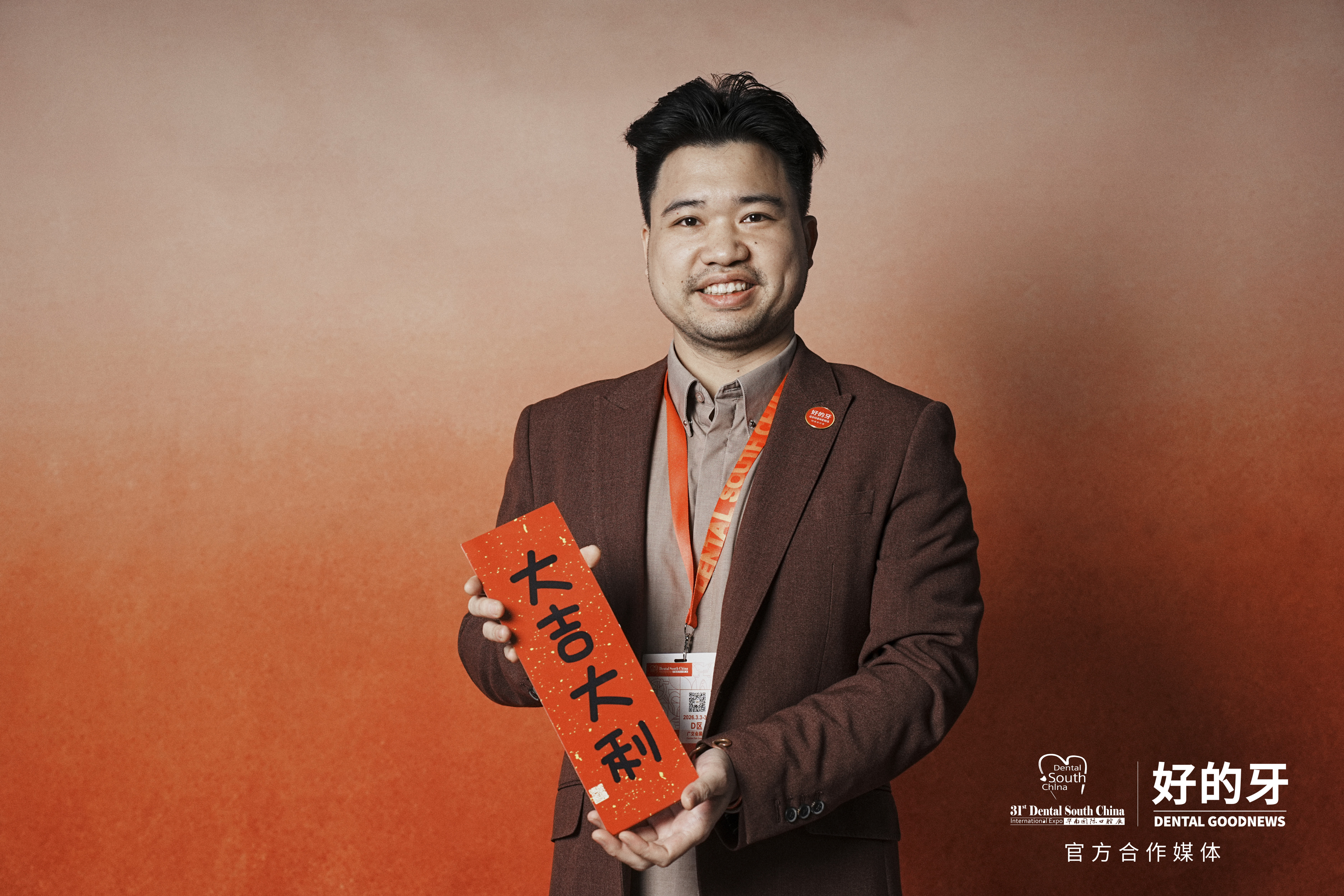 |
The choice of Spring Festival couplets also addresses a more implicit challenge. The participant group was highly diverse—individuals, families, colleagues, couples, teachers and students, and overseas exhibitors from over twenty countries. What kind of prop could make Chinese participants feel familiar, while not making foreign visitors feel alienated? "Great Fortune," "Joy," "Peace"—these words trigger positive emotional reactions without needing cultural context. For foreign exhibitors, red Chinese characters are a strong symbol of Chinese culture; the act of holding and participating itself carries novelty and commemorative value.
Internationalization is one of the core themes of Dental South China International Expo. Whether an interactive activity can truly bridge Chinese and foreign participants often hinges on design details like props and language—this is no small matter.
Product Form—Newspaper is a Medium with Weight
The endpoint of most exhibition interactions is a digital photo, whose final destination is a post in a social media feed.
The endpoint of this activity was a physically printed, personalized newspaper—a newspaper printed with the participant's own face, labeled "Cover Star of Dental South China International Expo 2026".
The difference between the two is not just in form, but in completely different communication destinies.
The half-life of a digital photo is measured in hours. A physical newspaper can be pressed into an album, posted on a booth, placed on a desk—each time it is seen is a brand exposure. More importantly, when a participant shares this newspaper, the four words "Cover Star" have already completed all the storytelling. They don't need to explain what this activity is, or add any background; these four words themselves constitute a complete story.
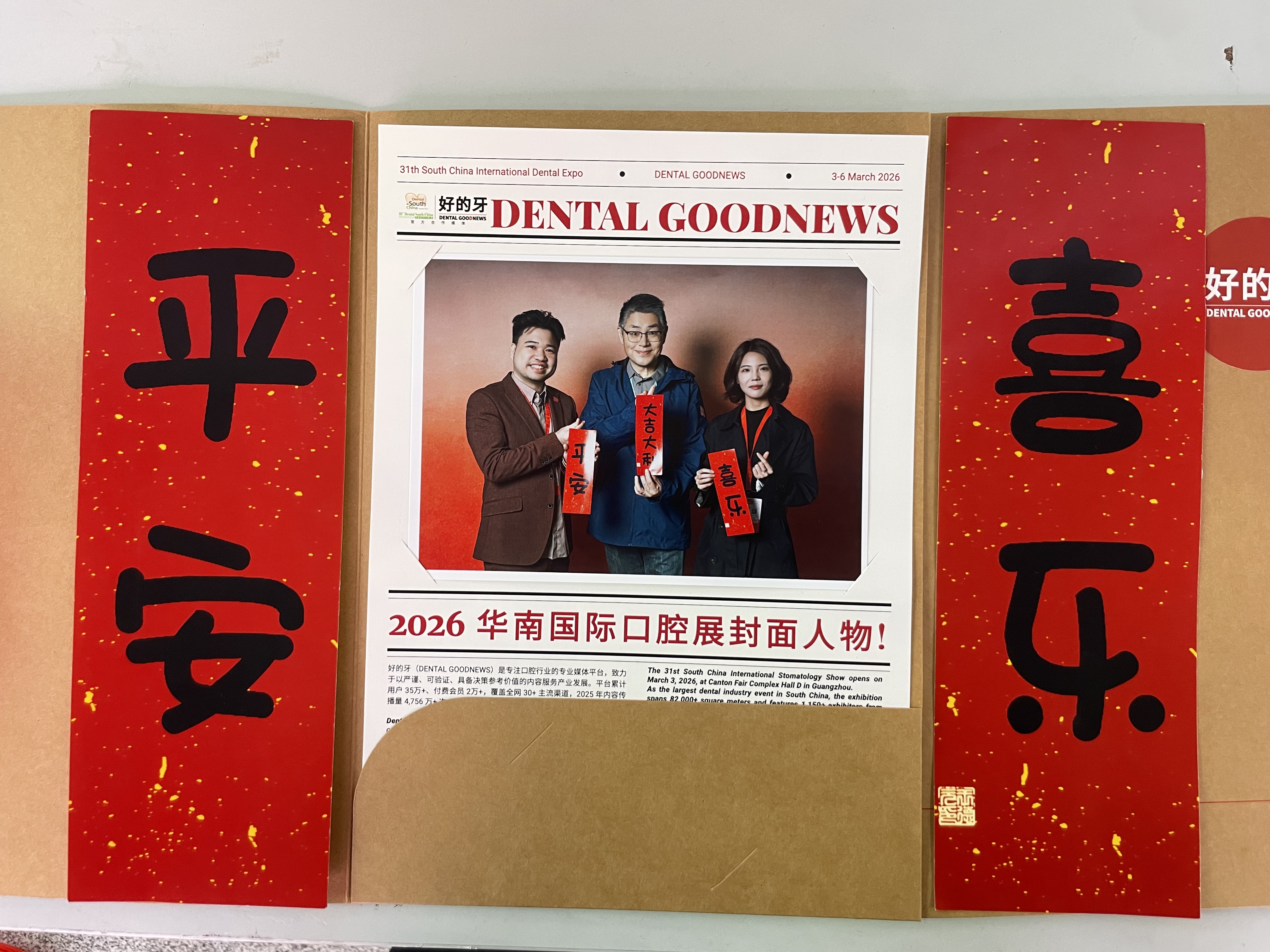 |
Another detail worth mentioning—newspapers have grammage, texture, and layout design. We naturally embedded the DGN brand introduction as body text—while reading their own "cover story," participants simultaneously received information about the platform's capabilities. No sense of salesmanship, yet trust was already established.
Choosing a newspaper was not accidental either. This happens to be a concrete manifestation of DGN's industry role: we are an industry media, so we share a "newspaper" with you.
Audience Structure—Breaking the Professional Boundaries of an Exhibition
Typical exhibition interactions have homogeneous participants: peers, same industry, same professional level.
This activity was not. Families touring together, teachers and students walking together, husband-and-wife duos, international colleagues—the composition of participants crossed professional boundaries, indicating the activity's emotional hook was broad enough to attract "relationships," not just "identities."
For Dental South China International Expo, this is a side worth recording. An industry exhibition that allows families to participate together means its participation experience has transcended the boundaries of a purely business setting.
One detail from the event site might illustrate this point. A dentist from Taiwan, China, after taking photos, proactively chatted with DGN staff. He had been following DGN for over a year, and visiting Dental South China International Expo in person this time, he used the phrase "eye-opening." Before leaving, he said something to the effect of: he hopes DGN's content can reach even farther places.
This statement, more directly than any data, illustrates: Dental South China International Expo aggregates not just exhibitors, but is a moment for an industry that previously had distance between its parts to draw closer together.
Execution Standards—Professionalism Determines the Floor
Of course, common failures in exhibition activities lie not in creativity, but in compromises on execution details.
The choice of photographer was the first decision. This time, a professional portrait photographer was invited, not an exhibition documentary photographer—the former's job is to capture emotion, not just record the scene. The image itself is information; visuals lacking emotional enhancement cannot support the retention value of a newspaper.
The lighting plan underwent specialized site visits and testing. The photography team ultimately decided on a 45-degree angle of incidence, dual top and bottom light positions, using an octagonal softbox combined with a square softbox—ensuring natural light transitions on facial features, clear clothing texture layers, while preserving the gradient and depth of the background. This lighting setup was compatible with all participants on-site, whether in professional attire or casual family wear, all able to present festive-quality images. Lens distance was also pre-calculated: too close, and participants feeling camera pressure tend to stiffen; too far, and the sense of personhood is weakened.
Weather impact, backlight shooting, printing process, equipment selection, photo paper weight... Meticulous details. The experience of a small piece of paper is actually built upon numerous professional tests beforehand; it cannot rely on on-site luck.
Underlying Logic: What is Good Communication?
Many guests on-site praised the activity for its good creativity. "Good creativity" is a genuine reaction—in communication studies, it corresponds to a more specific question: Why does this activity make participants proactively share it?
The answer lies in every design decision. The festival overlay provided the motivation to share, the props lowered the participation barrier, the physical medium extended the content lifecycle, "Cover Star" provided social currency, and bilingual layout bridged communication circles. These are not isolated creative points, but different implementation paths for the same communication goal—giving participants sufficiently compelling reasons to take this thing out of the exhibition.
And it is precisely at the moment participants take the newspaper away that precise reach to the industry's highest-quality audience is achieved.
Therefore, designing the content itself to be worth sharing—is actually the most crucial step in content communication thinking.
 |
Grand Vision, Thoughtful Details
Finally, what the "Cover Star" activity actually did was, within the grand narrative of Dental South China International Expo, open a personal scale for every attendee—on this day, at the world's most important dental exhibition, you took a photo printed in a newspaper with your family, your teacher, your partner who came from afar. This thing is yours.
The on-site reaction said it all. During the activity, it was packed with people, visitors from around the world gathered to take photos. Two foreign guests, after taking photos, unexpectedly offered a tip to the photographer (to accept or not accept was a dilemma 😂, especially since they didn't say "it's for the kids"). This is probably the most straightforward evaluation for an execution team: very happy.
Grand vision is the confidence, thoughtful details are the warmth. A newspaper taken home is closer to what communication originally intended to do than any post that dissipates in the information stream.
| About DGN:DentalGoodNews (DGN) is a trusted professional media platform dedicated to the global dental industry. We deliver in-depth coverage of corporate news, policy & regulation, investment & funding, and clinical frontiers — serving dental institutions, device manufacturers, investors, and industry researchers worldwide. Contact us: haodeya@dongxizixun.com |

;)