Exclusive Interview | Behind a Single CAD/CAM Dental Crown: Four Decades of Evolution in Dental Restoration Manufacturing
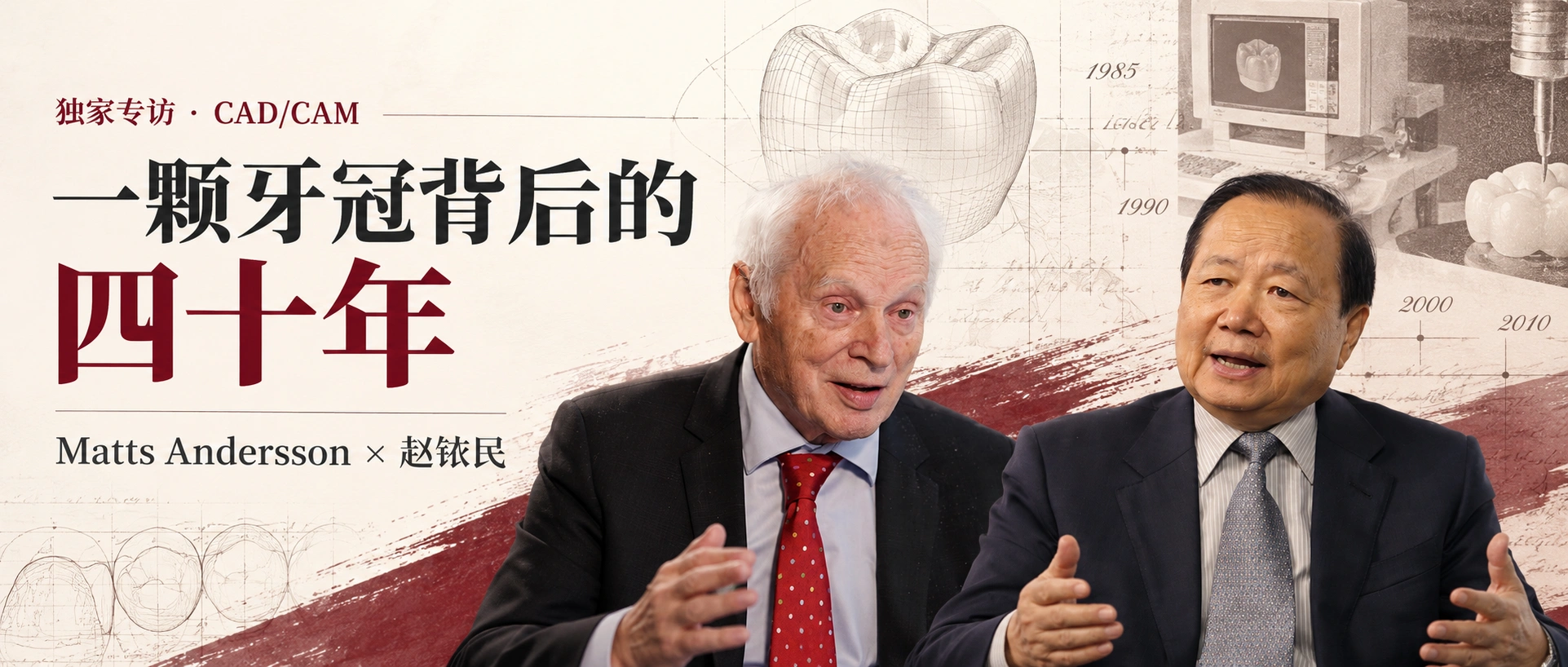 |
# DENTALGOODNEWS Exclusive Interview with Matts Andersson and Zhao Yimin: Revisiting Over Four Decades of Digital Dentistry
There is a 40-meter-long corridor in the Xi'an International Museum of Stomatology. From dental chairs over a century old to contemporary dental implant surgery robots, walking its full length takes barely a minute, yet human oral medicine has taken more than two centuries to reach this point.
On October 17, 2026, Mr. Matts Andersson, an early researcher in Swedish digital dental restoration and founder of Procera, came to Xi'an and donated nine items to the museum, including early restoration specimens, machined components, and research documents. Among them are metal bridge samples, early titanium crown specimens, zirconia bridges, 3D printing exploratory samples, and his personally signed doctoral dissertation.
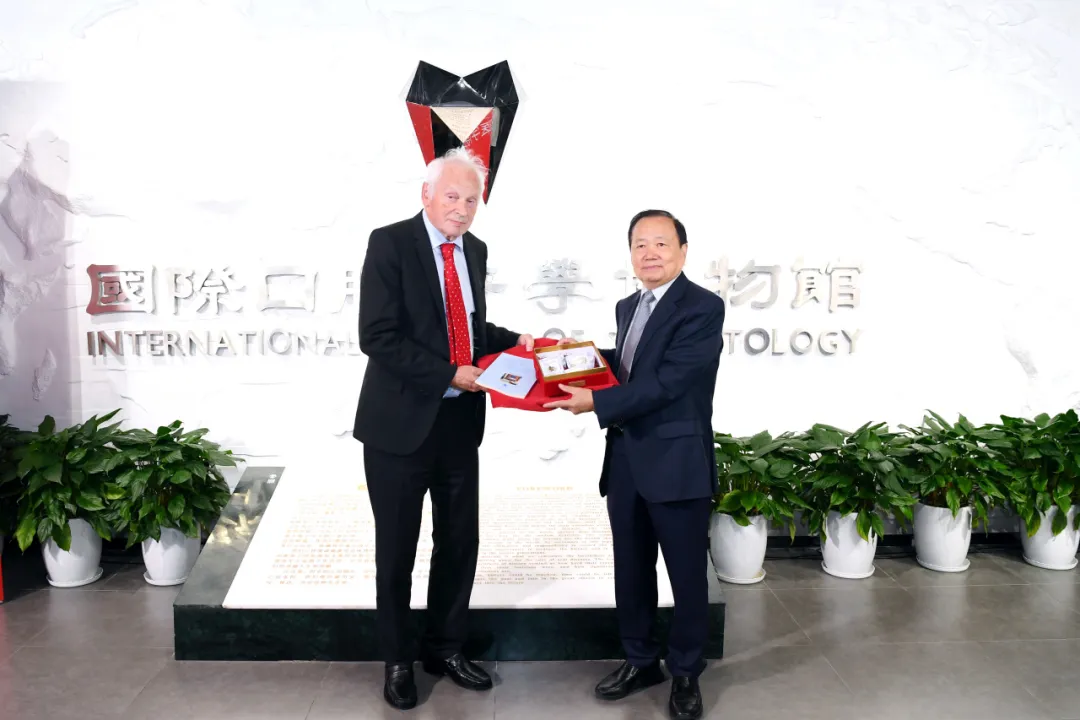 |
| Dr. Matts Andersson donated nine early artifacts to the museum. Image source: School of Stomatology, Air Force Medical University |
During the visit, Mr. Matts gently touched the original Procera prototype machine from those years.
"I never imagined that my machine would one day enter such a famous museum. Back then, I didn't know it would become the starting point of digital dentistry," he said in an exclusive interview with DENTALGOODNEWS.
More than forty years ago, he started from the manufacturing challenge of a single titanium crown and explored the precision machining of individualized restorations. Thereafter, this technology continued to develop within the Nobelpharma and later Nobel Biocare systems, gradually forming a digital restoration system serving the global market.
The Xi'an International Museum of Stomatology, which preserves this history, was promoted over many years by Academician Zhao Yimin of the Chinese Academy of Engineering. A medical scientist long engaged in oral and maxillofacial defect restoration and functional reconstruction, he has likewise witnessed the technological transformations of Chinese oral medicine.
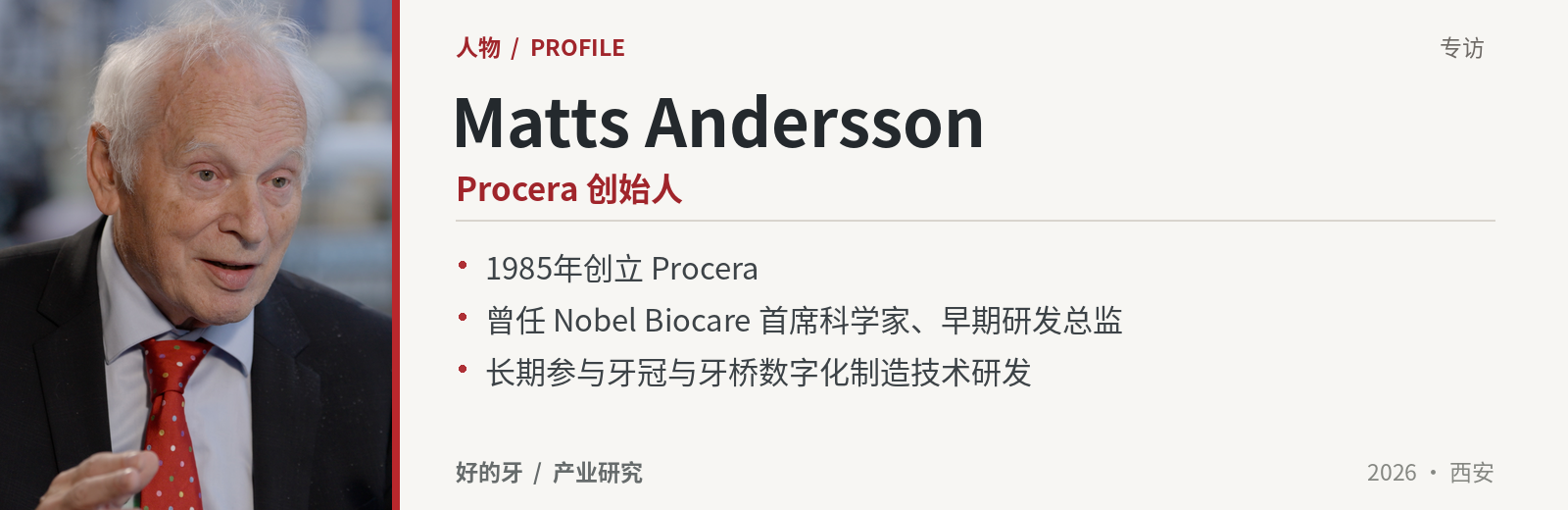 |  |
In 1978, Matts Andersson received his dental degree from the University of Gothenburg in Sweden. At that time, the fabrication of dental restorations still relied heavily on manual craftsmanship, and the machining precision of dental crowns depended largely on the experience of dental technicians.
During his studies, Per-Ingvar Brånemark's research on the interaction between titanium and living tissue aroused his interest. "The interaction between materials and living tissue fascinated me," Mr. Matts recalled.
Titanium has good biocompatibility, but to machine it into dental crowns with complex shapes and precise dimensions, traditional dental precision casting processes had limitations in processing such restorations. So he turned his attention to industry.
"What I did was essentially look at how industry manufactures complex shapes."
He collaborated with toolmaker Morgan Andersson to try introducing mechanical copying and electrical discharge machining into dental crown fabrication. A machined metal bridge sample made in 1982 also came to Xi'an with this donation. In 1983, this high-precision, repeatable individualized machining technology became an important starting point for Procera's development. In 1985, Mr. Matts founded Procera, with its first production facility set up in a converted garage.
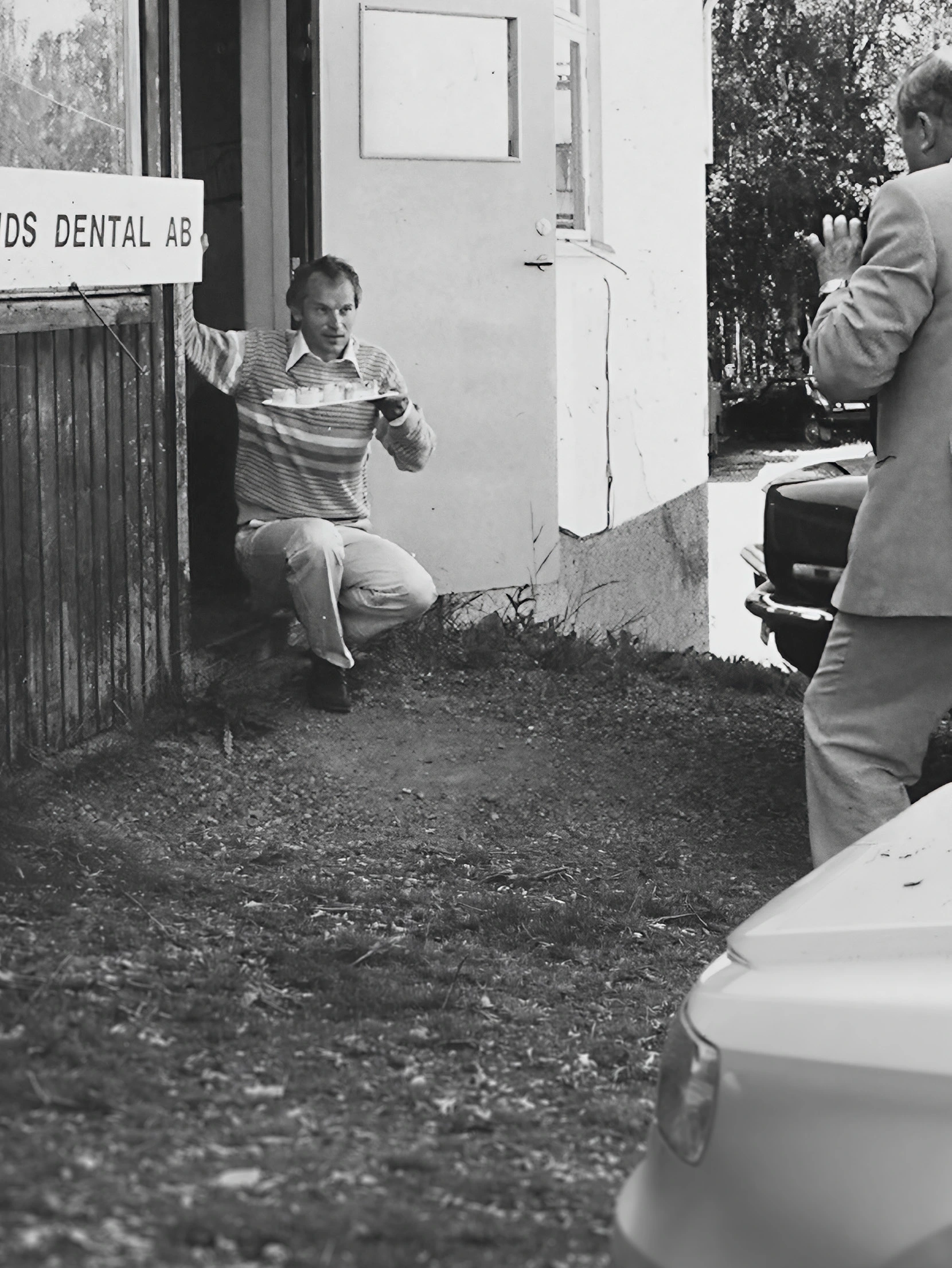 |
| Historical photo from official Procera materials. Image source: Nobel Biocare. |
Looking back, the Procera digital restoration technology route was not initially solving a computer problem. Mr. Matts first had to find a way for dental crowns of varying shapes to be machined; later, with the development of computer-aided design and manufacturing technology, early mechanical machining methods gradually evolved into digital manufacturing.
If a machine can manufacture dental crowns, does that mean the new method is reliable? When DENTALGOODNEWS asked about early research and development, Mr. Matts mentioned a detail.
"When researching a new technology, it is very easy to mislead yourself."
An experienced peer participated in the fabrication of ten early dental crowns and gave positive feedback. Mr. Matts still sought collaboration with university researchers to conduct formal clinical studies.
In 1989, Acta Odontologica Scandinavica published the relevant results. The researchers fabricated 205 titanium crowns for 149 patients, and one year later followed up on 192 crowns in 137 of those patients. The study obtained promising initial results and also documented issues such as the need to replace some restorations.
When this 1989 study was published, Procera had already moved beyond its original garage.
From Procera to a Global Digital Restoration System
At the end of 1987, Nobelpharma acquired Procera. This manufacturing technology, which began in a converted garage, entered a stage of larger-scale research, development, and industrialization. Thereafter, Mr. Matts participated in Procera and Nobel Biocare research and development for many years, and once served as Chief Scientist and in other positions.
With the development of computer-aided design and manufacturing technology, Procera gradually moved from early mechanical machining toward digital manufacturing, and restoration materials expanded from titanium to ceramics.
Ceramics offered another aesthetic option for restorations but brought new manufacturing challenges such as sintering shrinkage. In 1993, Mr. Matts and Agneta Odén published research on high-purity alumina all-ceramic crowns, documenting technical exploration into using densely sintered ceramics to fabricate precision restorations.
As materials and processes continued to update, production methods also changed.
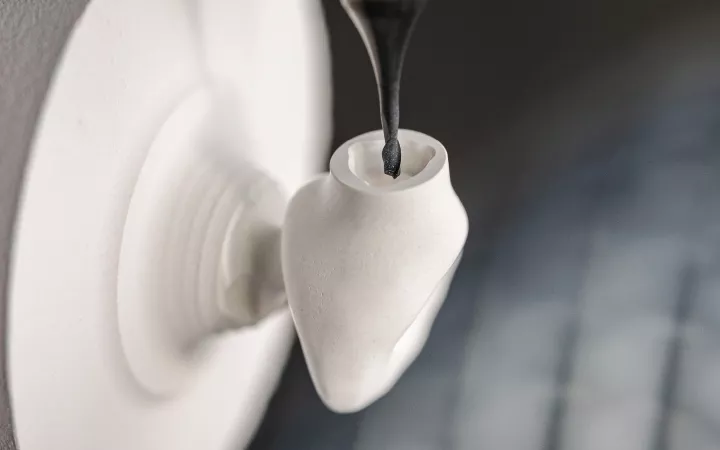 |
| Close-up of prosthesis processing. Image source: Nobel Biocare official website |
In the interview, Mr. Matts recalled that Procera was once centrally manufactured in Stockholm, Sweden, and later expanded to production facilities such as Mahwah, New Jersey, in the United States. Speaking of years of research, development, and manufacturing experience, he particularly emphasized quality control.
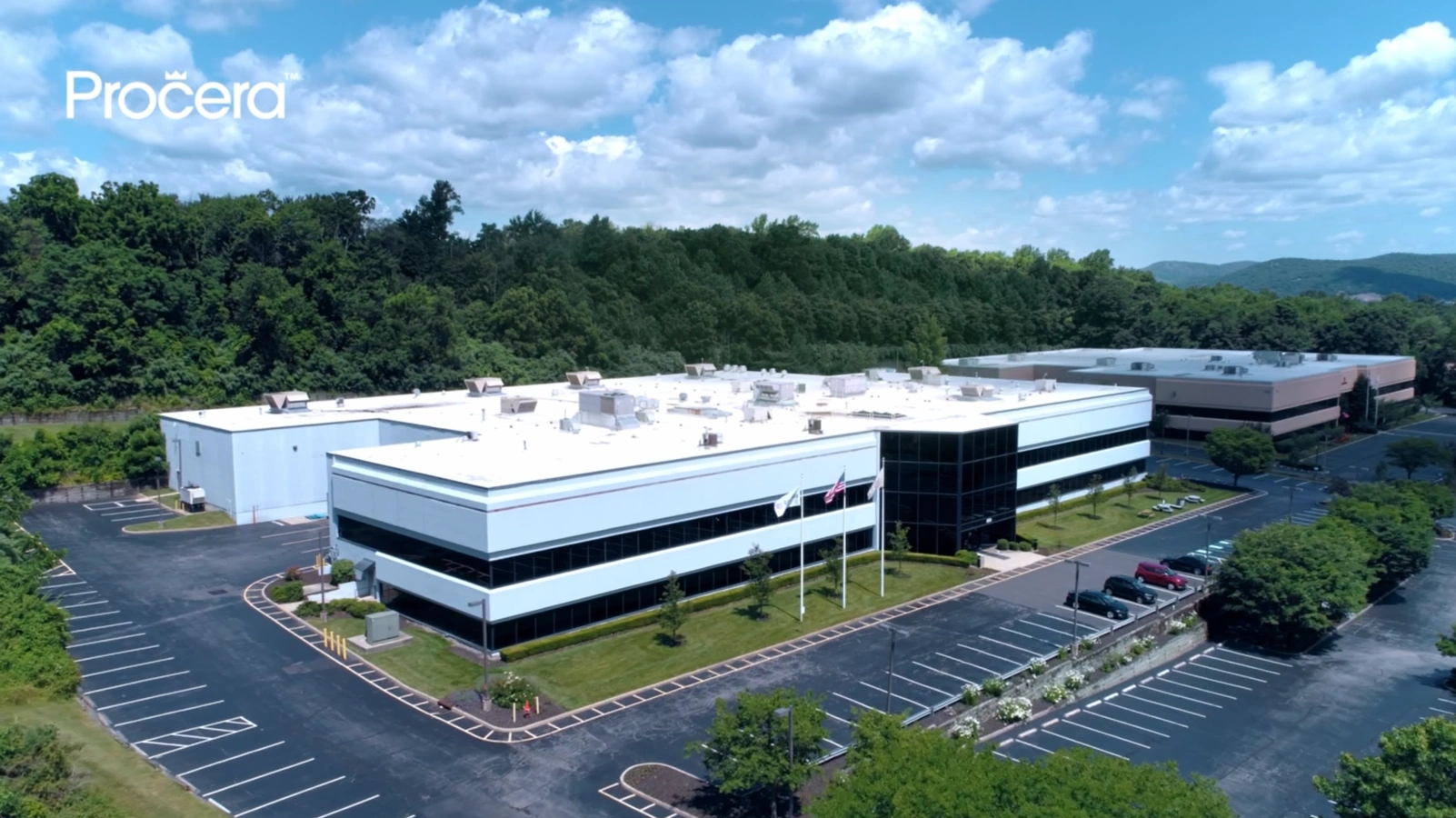 |
| Exterior view of the Procera manufacturing facility. Image source: Nobel Biocare official website |
"We must maintain very strict control over the machining process. This has become part of our culture."
Standardized industrial manufacturing can repeatedly produce the same part, but dental restorations are almost never identical: patients' oral conditions, restoration spaces, and functional needs vary, and dentists and technicians must design each one separately. The centralized manufacturing system that Procera built over the long term was precisely intended to give these different designs stable, verifiable machining quality.
According to publicly available company information, Procera has now cumulatively produced more than 5 million restorations, serving more than 60 countries and regions; its quality control system inspects finished restorations piece by piece, and some manufacturing dimensional tolerance indicators can be as low as ±5 microns. The tolerance here refers to an industrial manufacturing indicator, not the actual seating error in a patient's mouth.
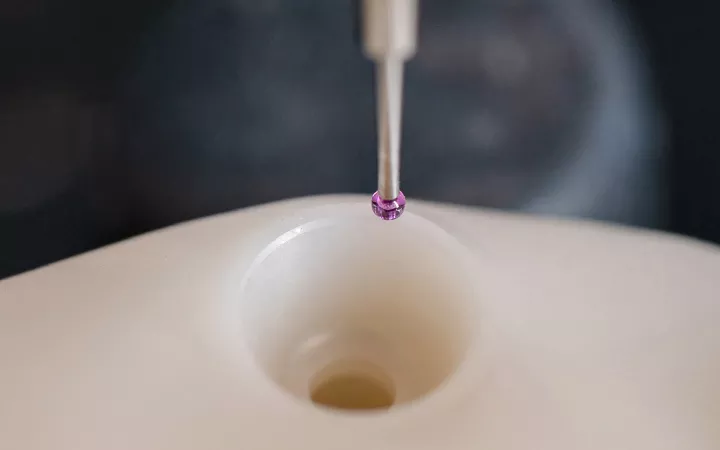 |
| Close-up of dimensional inspection during industrial quality control at Procera. Image source: Nobel Biocare official website |
This capability has also been applied to more complex implant restorations. Take implant-supported anterior teeth as an example: the implant direction may not align with the ideal crown contour. If the screw channel opening falls on the conspicuous labial side, the dentist must weigh retention method against aesthetic requirements. Some Procera products use a 0° to 25° angulated screw channel (ASC) design, providing room to adjust the opening position; some zirconia products also use a structure that requires no additional titanium base bonding, reducing the corresponding bonding steps.
Today, its product line covers individualized titanium abutments, individualized zirconia abutments, and implant crown bridges (according to the company's domestic registration certificate information, its individualized zirconia abutments are used for implant restoration after single-tooth loss in the anterior region; implant crown bridges can be trimmed into 2- to 14-unit dental restorations for fixed restoration of missing or defective dentition), and supports integration with software such as exocad, 3Shape, and DTX Studio. Dentists and technicians complete individualized designs according to clinical needs, while professional manufacturing facilities handle precision machining and quality inspection.
Related clinical studies have also left long-term observational records. In 2023, a multicenter retrospective study published in The Journal of Prosthetic Dentistry analyzed 111 NobelProcera zirconia implant-supported fixed restorations used in 98 patients. In that study report, the survival rate of the restorations at a mean follow-up of 7.2 years was 98.2%, and no zirconia framework fractures were observed in the study sample.
More than forty years ago, what Mr. Matts tried to solve was how a single titanium crown could be accurately manufactured. Thereafter, through sustained research and development, material innovation, and industrialization, Nobel Biocare developed this early exploration into a digital manufacturing system covering multiple clinical restoration needs.
As manufacturing technology continued to update, those exciting early devices gradually withdrew from the production floor.
What Mr. Matts brought to Xi'an this time is precisely the physical legacy of this history.
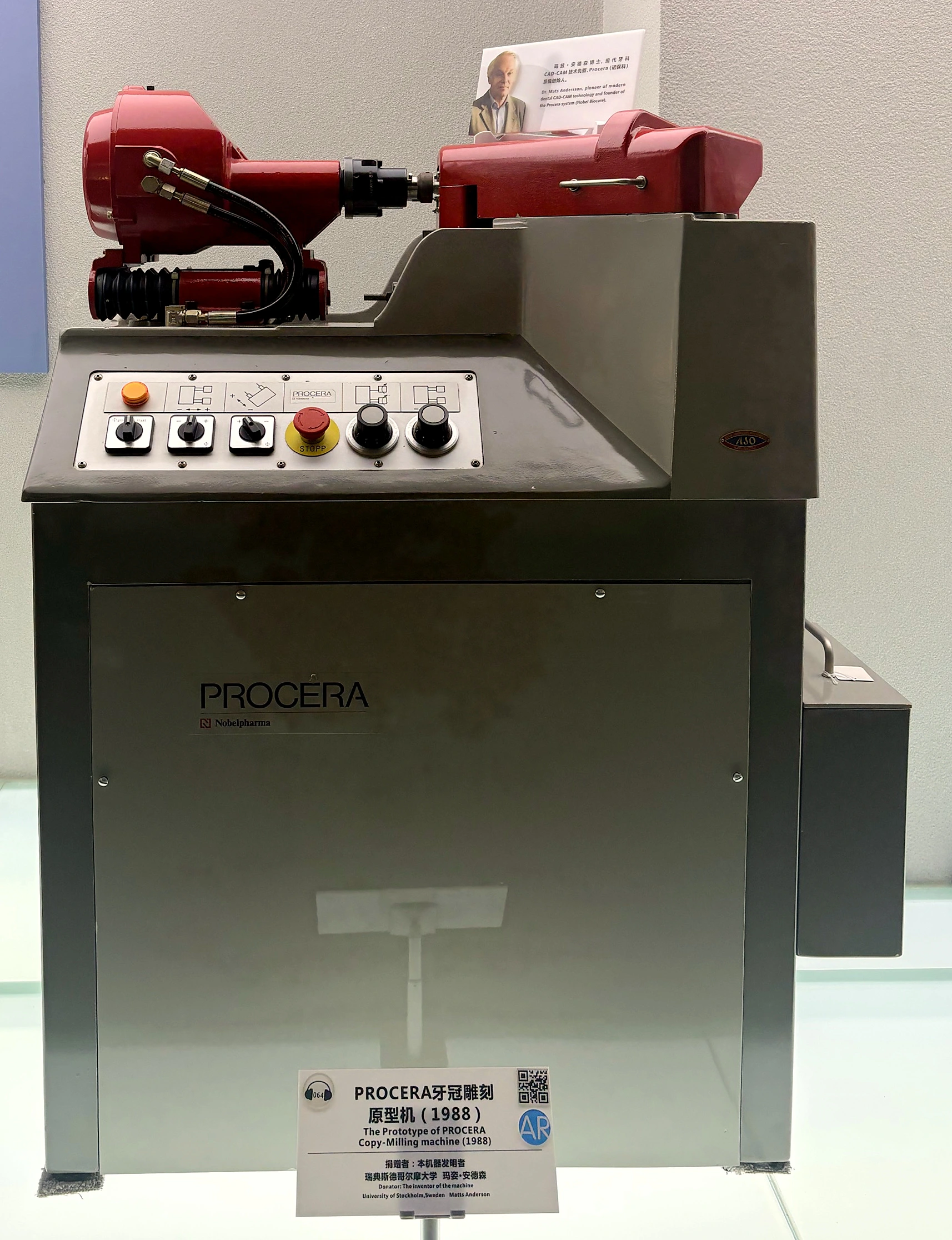 |
| Procera dental crown milling prototype in the collection of the Xi'an International Museum of Stomatology |
An Industry Book Connected by Physical Objects
Academician Zhao Yimin's initial idea of building a museum of stomatology actually arose because students did not like listening to medical history.
After staying on to teach in 1991, he took on the teaching of oral medicine history courses and found that books and pictures alone could hardly stimulate students' interest. So he began collecting old teaching aids and obsolete instruments and brought them into the classroom. As the collection gradually grew, the idea of building a museum slowly took shape after 2000.
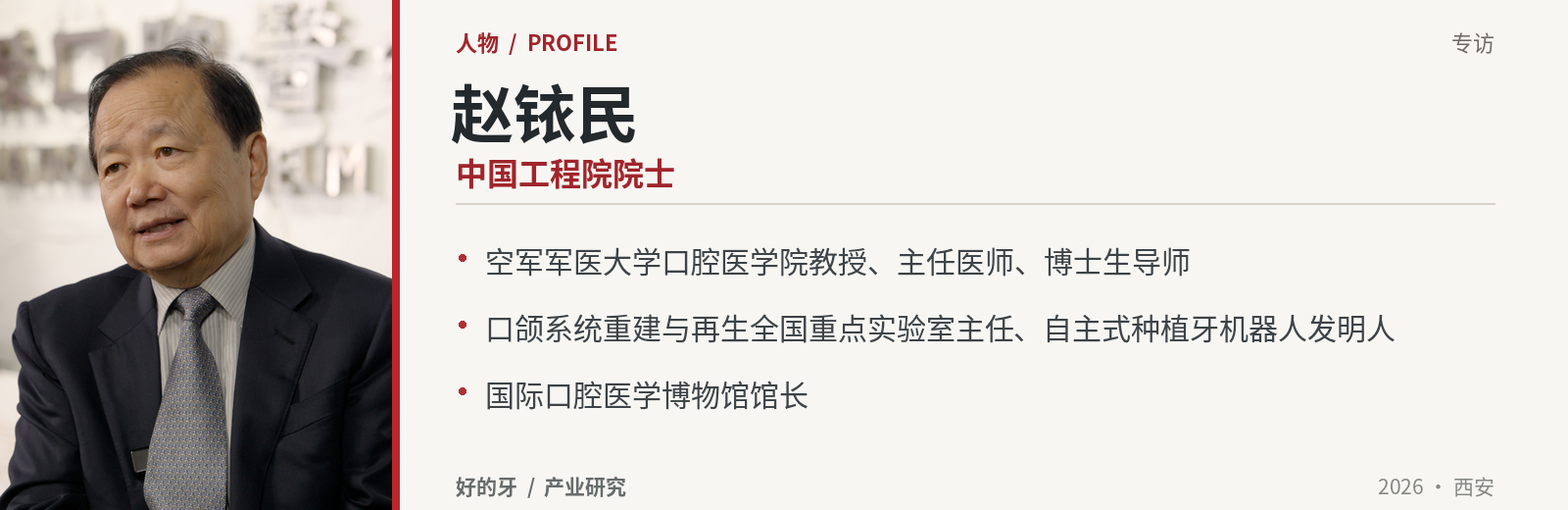
"Every industry has its own history and its own memory," Academician Zhao Yimin told DENTALGOODNEWS.
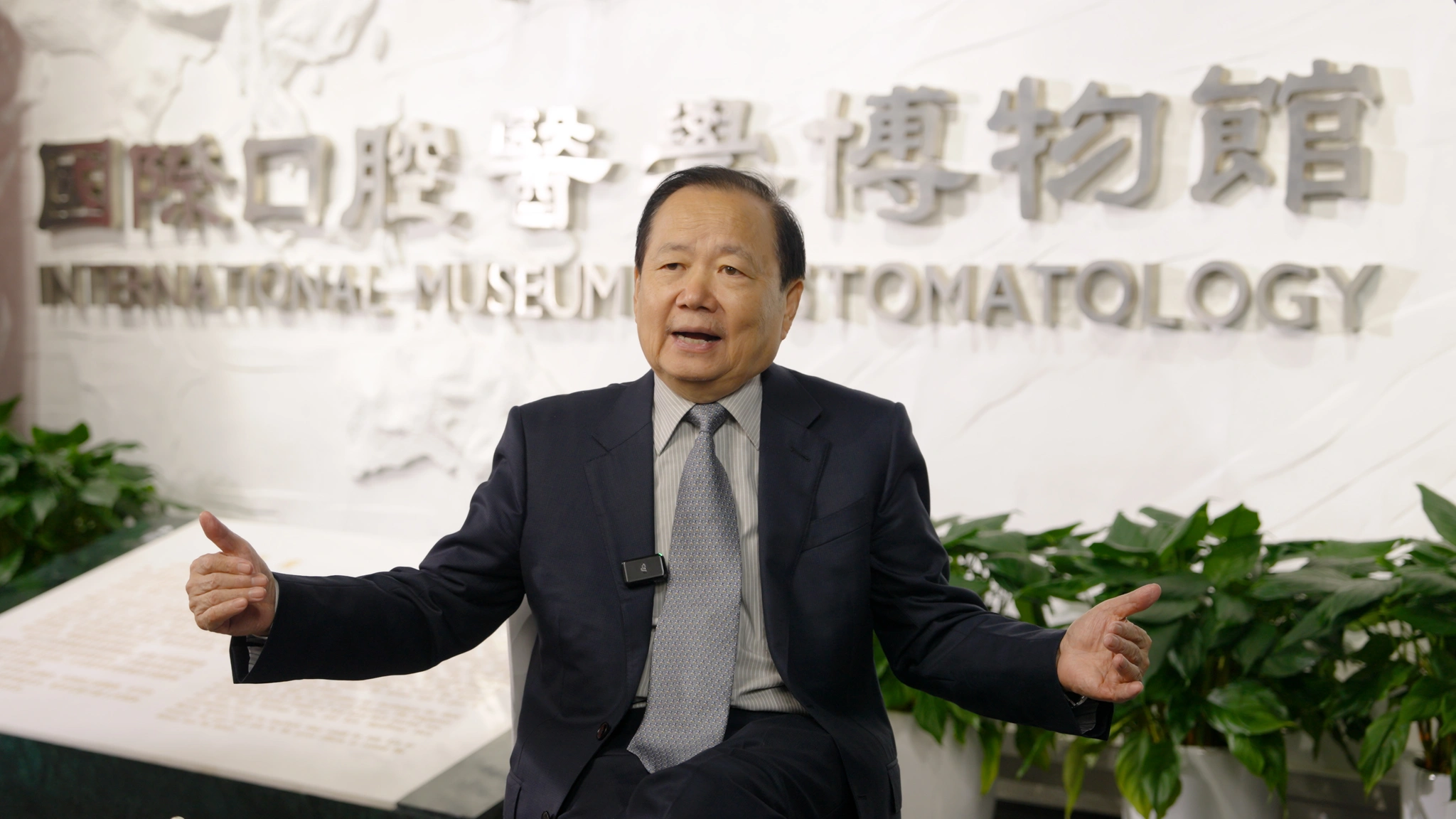 |
| Zhao Yimin speaks with "Good Teeth" about the origins of the International Museum of Stomatology. |
Before that, he had long devoted himself to research on oral and maxillofacial defect restoration and functional reconstruction.
Maxillofacial defect restoration concerns not only appearance but also the recovery of important functions such as chewing. Academician Zhao Yimin and his team have carried out long-term research in fields such as simulation restoration of facial defects and functional reconstruction after jaw defects, making important contributions to the development of China's maxillofacial prosthetics discipline. In 2021, he was elected Academician of the Chinese Academy of Engineering.
Years of medical research and teaching experience also made him attach greater importance to the technological legacy left by predecessors.
When reading foreign historical materials on oral medicine, Academician Zhao Yimin found that ancient China's creations and contributions in the field of oral medicine were often not fully recorded. He hopes to preserve this history through the museum and also bring together dental technological achievements from different countries and different cultural backgrounds around the world.
"A book connected by physical objects." This is how he describes the museum.
"Build a museum for the world, erect a monument for China, write history for dentistry, and enlighten the public." These sixteen characters express his original intention in building the museum.
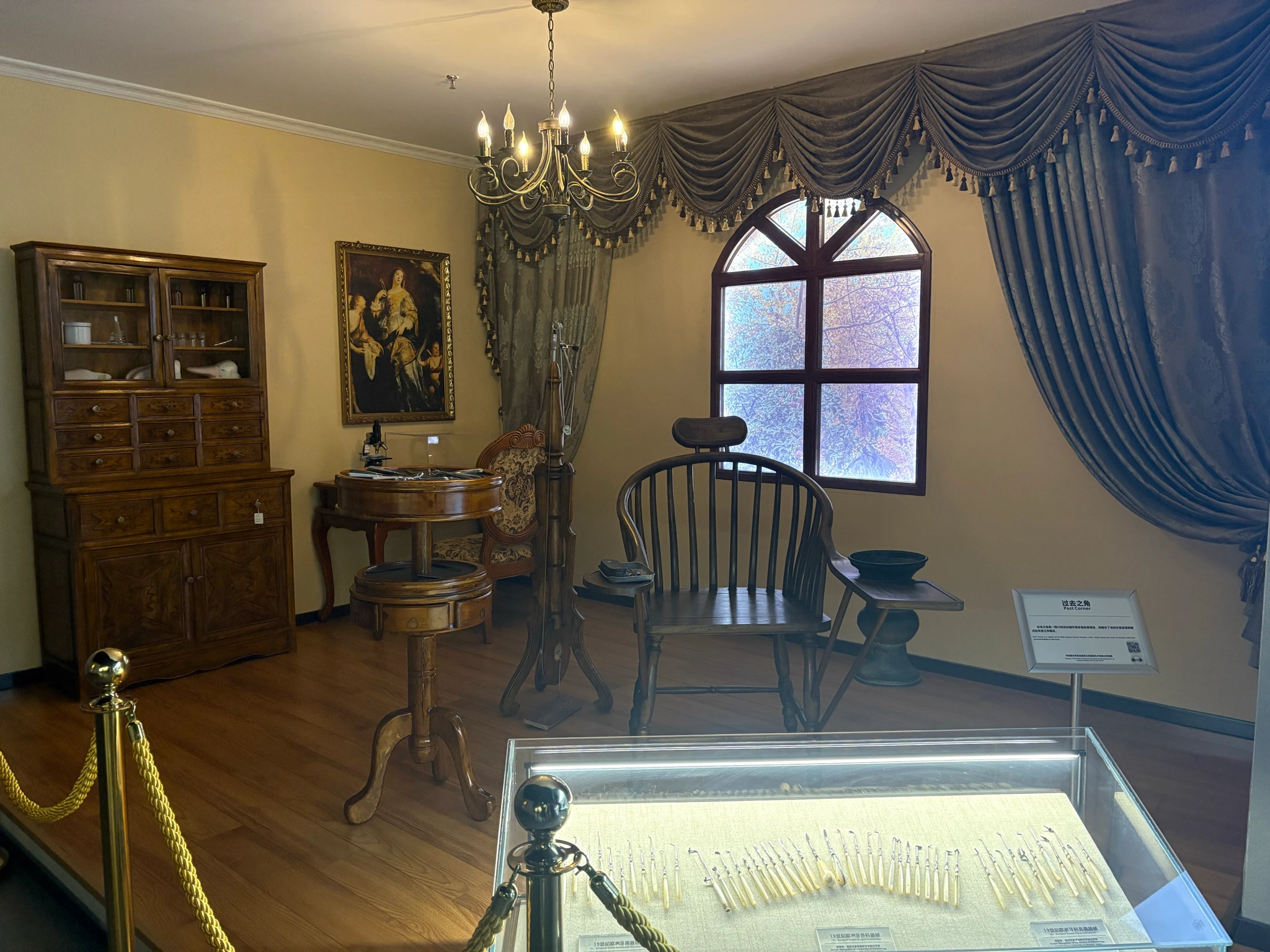 |
| The "Corner of the Past" at the Xi'an International Museum of Stomatology |
The museum also has a Brånemark memorial exhibition area, preserving historical objects related to this pioneer of modern implant medicine. The scholar who once inspired Mr. Matts to study titanium materials now has his historical legacy preserved here. More than forty years later, Mr. Matts brought his own early research objects to Xi'an.
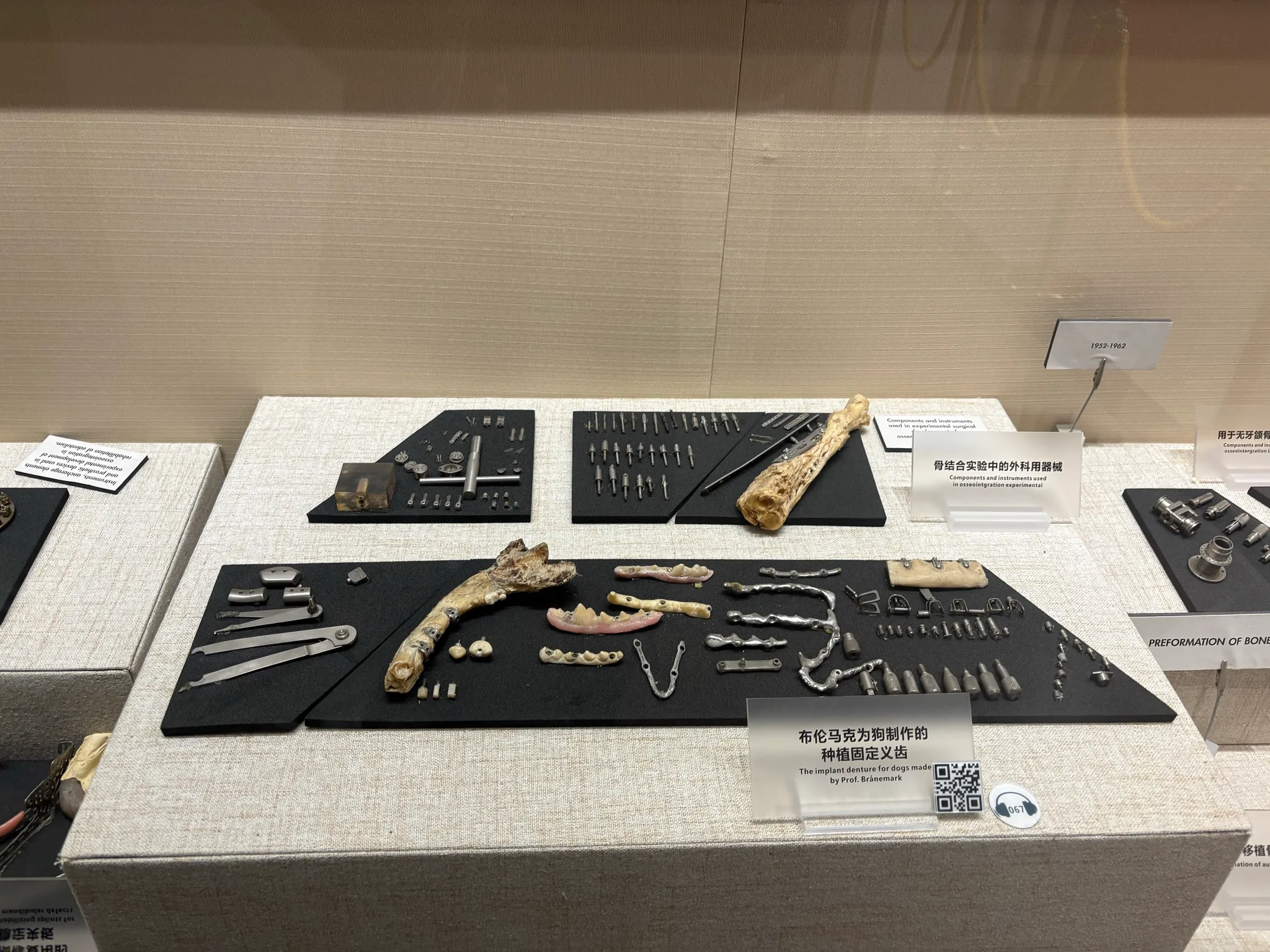 |
| Brånemark-related research artifacts on display in the museum, including osseointegration experimental instruments. According to on-site exhibit labels. |
During the visit, Academician Zhao Yimin and Mr. Matts stopped before many exhibits documenting technological breakthroughs, recounting the changes oral medicine has undergone along the way. When they reached the dental education exhibition area, the two talked for a long while.
"I am very glad the museum can preserve these things; otherwise, these memories would disappear," Mr. Matts told DENTALGOODNEWS.
He also hopes that more Swedish dentists will come here in the future to learn about their own country's technological history while exchanging with Chinese peers and understanding the new changes taking place in oral medicine.
Beyond History, New Questions Remain
Academician Zhao Yimin collects the past of oral medicine, yet he has always paid attention to the changes brought by new technologies.
In the DENTALGOODNEWS interview, he recalled his experience receiving oral medical education in the late 1970s and early 1980s. At that time, much of the work of dentists and technicians was done manually, labor was heavy, and precision and efficiency were also constrained by technical conditions.
Today, digitalization has gradually extended from restoration design and manufacturing into examination and diagnosis, treatment planning, clinical operations, and long-term follow-up.
"For oral medicine, the development process of digitalization and intelligentization will be a major direction," Academician Zhao Yimin said.
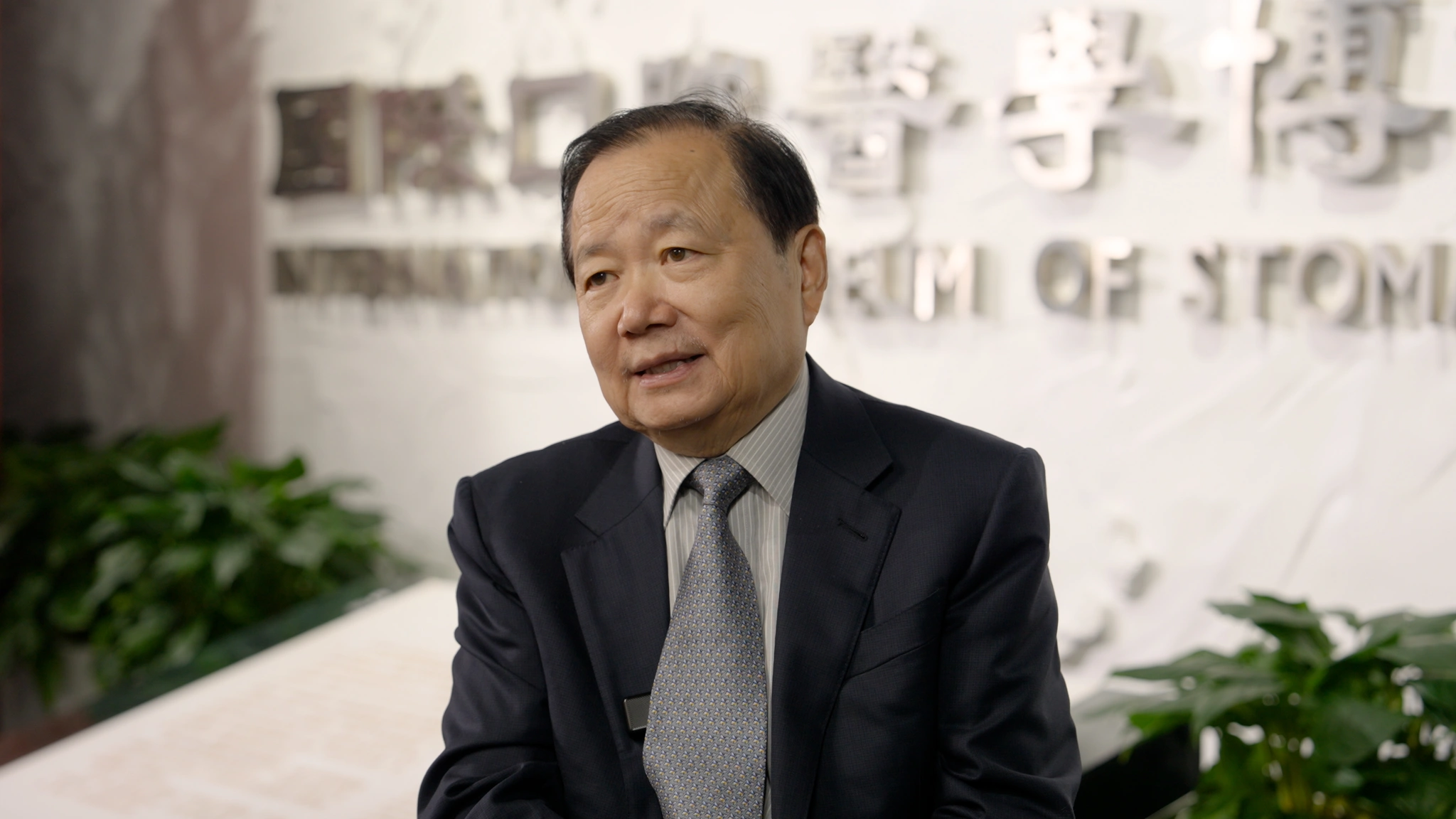 |
| Zhao Yimin speaks with "Good Teeth" about the digital development of stomatology. |
He is particularly concerned with how digitalization is changing diagnostic and treatment workflows.
Taking traditional fixed restoration as an example, dentists usually first complete tooth preparation and then fabricate the crown according to the prepared tooth shape. In the interview, Academician Zhao Yimin introduced that his team is exploring a new method of first designing the ideal crown and then using the corresponding data to guide crown manufacturing and tooth preparation separately.
"Now it is no longer the model that serves as the standard; it is our design," he said.
This method, still under exploration, places a familiar sequence back on the discussion table: can the ideal restoration outcome be determined first, and then the design data be used to guide fabrication and clinical operations?
More than forty years ago, what Mr. Matts thought about was how to accurately machine a restoration according to the patient's tooth shape; today, the exploration discussed by Academician Zhao Yimin attempts to make a pre-completed restoration design further participate in clinical operations. The two technological paths are not the same, yet both are re-examining practices taken for granted in dental restoration.
This also made Academician Zhao Yimin think of a practical question: some dentists and technicians have already mastered mature traditional skills, so why should they learn anew? He believes that experience is certainly precious, but it should not become a reason to reject new methods.
"Digital technology represents the direction; it represents the future."
Epilogue
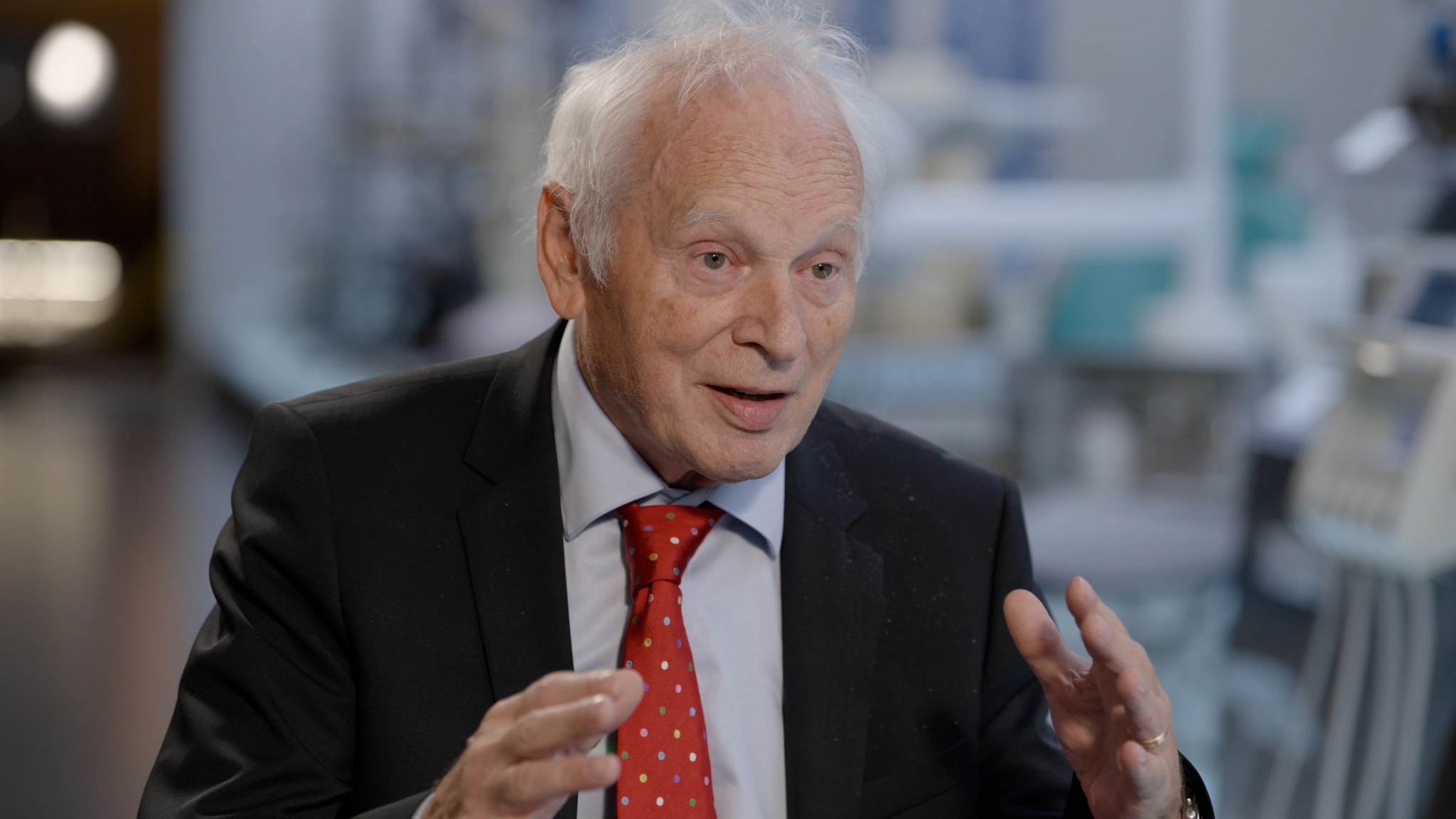
In the interview, Mr. Matts talked about this trip to China. Reuniting with old friends and walking into the museum also reminded him of peers who once explored side by side and have now passed away. Looking back on a technical career of more than forty years, now past seventy, he suddenly expressed a sigh of emotion:
"I really wish I could be thirty again. There are still so many interesting things to do."
 |
The exploration that began with a single titanium crown has developed into a digital restoration system serving the global market; the original machine has also become a historical treasure preserved by the museum.
Academician Zhao Yimin also specially conveyed a message to the younger generation through DENTALGOODNEWS: "Always maintain enthusiasm for learning, and continuously learn and accept new things."
It seems that this is roughly true across all industries: one generation's breakthrough becomes the next generation's starting point. And those ideas not yet realized are still worth pursuing with full enthusiasm.
Wishing everyone a pleasant journey of exploration.
| About DGN:DentalGoodNews (DGN) is a trusted professional media platform dedicated to the global dental industry. We deliver in-depth coverage of corporate news, policy & regulation, investment & funding, and clinical frontiers — serving dental institutions, device manufacturers, investors, and industry researchers worldwide. Contact us: haodeya@dongxizixun.com |

;)