New Study: Dentists May Play a Greater Role in Vaccination
 |
| Source: Using psychometric and focus groups methods to assess patients' attitudes regarding the role of dental providers and vaccinations for COVID-19 and HPV |
DentalGoodNews | On July 28, 2026, the University of Pennsylvania released a report introducing a study by its research team published earlier this year in "Frontiers in Oral Health". The study assessed patients' perceptions and acceptance of dentists' involvement in HPV and COVID-19 vaccine education and administration, finding that patients' attitudes toward dentists' participation in vaccine work are influenced by their level of vaccine knowledge. Insufficient knowledge about the HPV vaccine is one of the main factors affecting patients' acceptance of dentists' involvement in vaccine work.
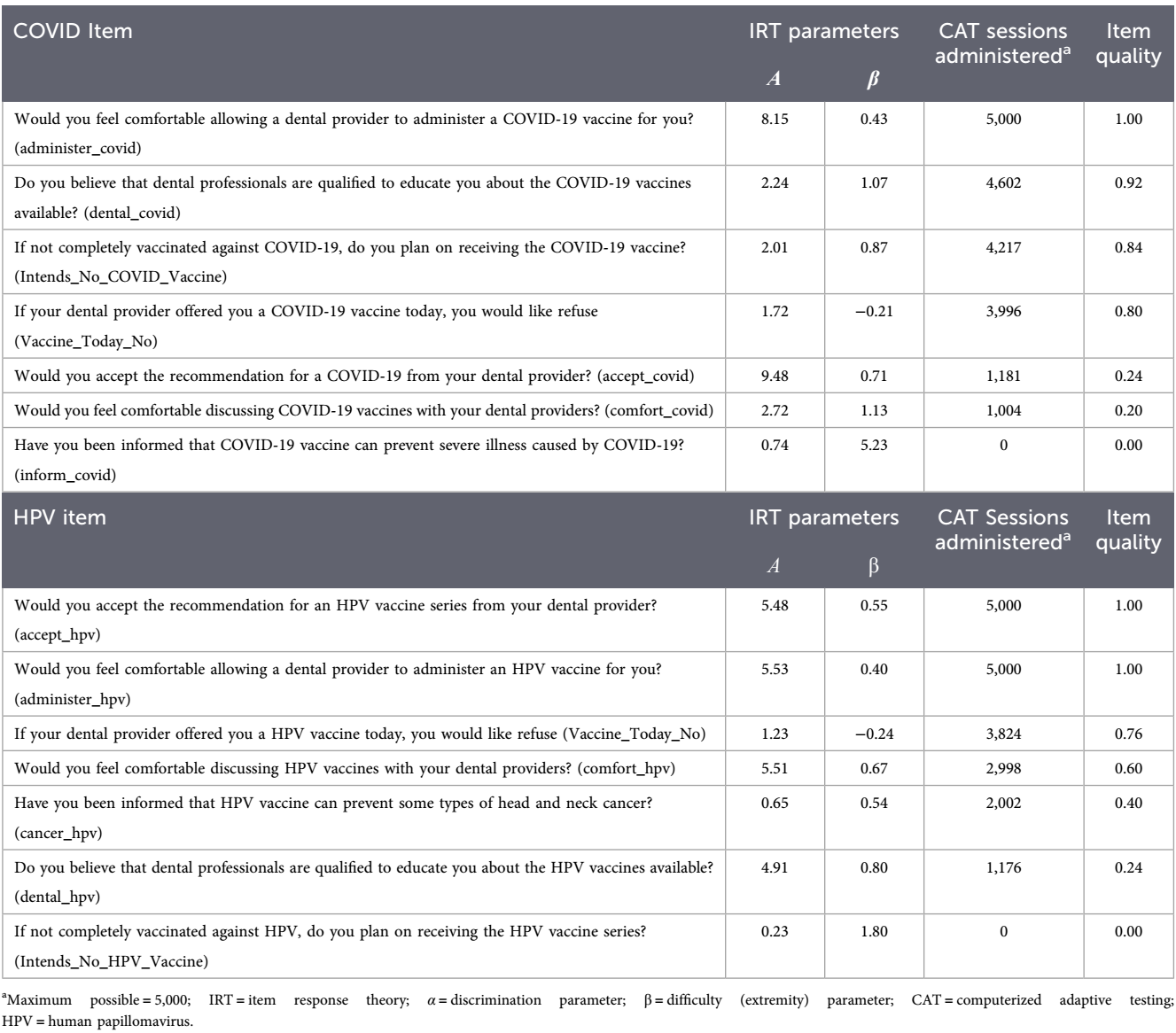
An interdisciplinary research team at the University of Pennsylvania optimized and validated a previously developed patient attitude survey tool through psychometric analysis and focus group feedback, used to assess patients' views on dentists' participation in HPV and COVID-19 vaccine education and administration. The study employed a concurrent convergent mixed-methods approach, combining exploratory factor analysis, item response theory (IRT), and computerized adaptive testing (CAT) simulations, reducing the original 22 survey items to 16, a 25% reduction. The research team stated that this tool can help further understand why patients have reservations about dentists' involvement in vaccine work.
 |
| Source: Using psychometric and focus groups methods to assess patients' attitudes regarding the role of dental providers and vaccinations for COVID-19 and HPV |
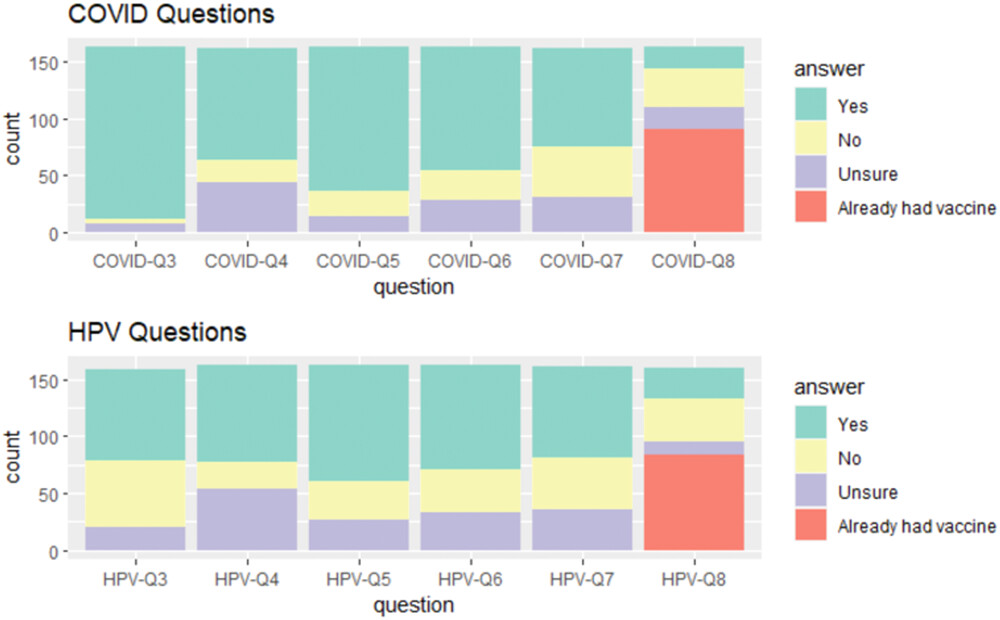
The study found that respondents' attitudes toward dentists administering vaccines were not entirely consistent. Compared to the COVID-19 vaccine, some participants showed stronger reservations about dentists providing the HPV vaccine. Researchers believe this may be related to patients' insufficient understanding of the HPV vaccine, the relationship between HPV and oropharyngeal cancer, and the role of dentists in vaccine work.
Focus group feedback revealed that some patients recognized dentists' professional competence but believed that vaccine-related discussions might fall outside the traditional scope of dental services. Meanwhile, other participants indicated that even a brief reminder from a dentist could prompt patients to pay further attention to vaccine information.
The Penn research team pointed out that since the public frequently visits dental clinics and there is a long-term trust relationship between patients and dentists, dental settings could serve as a supplementary channel for vaccine education and administration services. Expanding the scope of dentistry to include vaccine education and administration may help improve healthcare accessibility, vaccination rates, and disease prevention levels. However, this study is still in the preliminary validation phase of the survey tool, with sample data from 163 participants using convenience sampling, and further validation is needed in the future.
| About DGN:DentalGoodNews (DGN) is a trusted professional media platform dedicated to the global dental industry. We deliver in-depth coverage of corporate news, policy & regulation, investment & funding, and clinical frontiers — serving dental institutions, device manufacturers, investors, and industry researchers worldwide. Contact us: haodeya@dongxizixun.com |

;)