The Separation of Technical Fees and Material Costs Enters a Centralized Implementation Phase: A White Paper on the Institutional Opportunities of Dental Microscopic Technology
 |
# Foreword
In 2026, the "technology-consumption separation" policy for oral medical services enters a centralized implementation window. Microscopic-assisted procedures have, for the first time, gained an institutional basis for independent pricing, with 114 price standards being implemented sequentially across provinces. This institutional adjustment pushes the discussion on the value of microscopic technology from the clinical consensus level to the pricing and operational level.
DENTALGOODNEWS (Leading Dental Industry Media, DGN) DataLab, in collaboration with Zumax Medical, completed a first-hand survey covering 561 private dental institutions in the first quarter of 2026. The survey systematically collected empirical data on practitioners' policy awareness, technical judgment, institutional decision-making, and vendor selection. Based on this survey and the white paper, this article presents a structural overview of this technology's current market positioning, clinical evidence, and implementation pathways.
Below:
 |
# I. Policy Window and Clinical Evidence: Two Lines Maturing Simultaneously
If one were to find an institutional starting point for the popularization of microscopic technology in 2026, "technology-consumption separation" is the most accurate answer.
At the policy level, the essence of this reform is not merely the consolidation and simplification of price items, but a fundamental restructuring of pricing logic – extracting the value of technical labor, long bundled into consumable pricing, and calculating it independently. The project guidelines released by the NHSA in January 2026 listed "Intraoperative Microscopic Imaging Assistance Fee" as the 9th independent item.
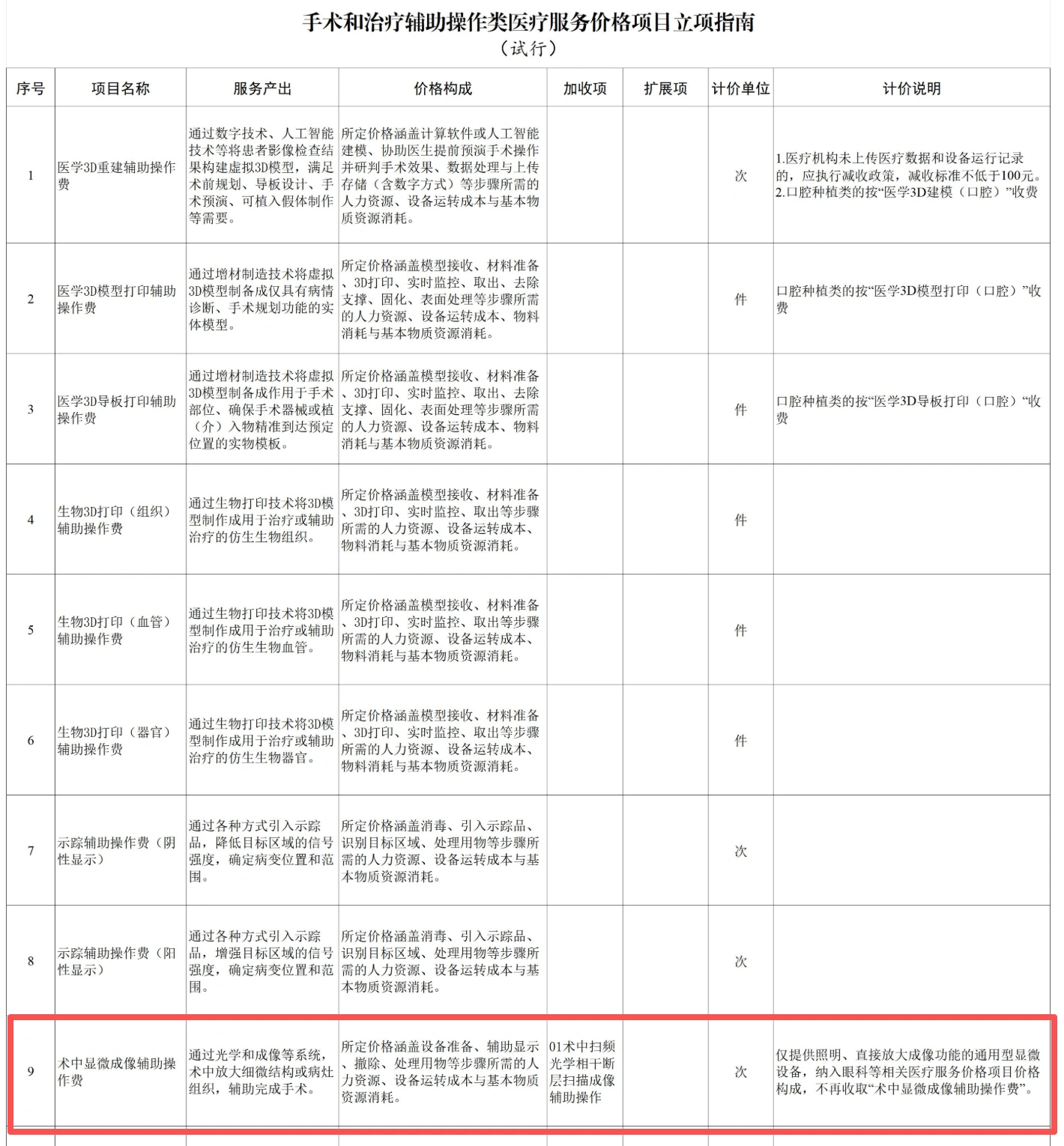 |
| Source: National Healthcare Security Administration, "Guidelines for Establishing Pricing Items for Surgical and Therapeutic Auxiliary Medical Services (Trial)" |
The significance of this design is that, for the first time, the effort and skill a doctor invests under the microscope can be reflected on the bill in a way perceptible to the patient. The guidelines also set clear boundaries: general-purpose equipment providing only illumination and direct magnification imaging functions is not separately chargeable, thus distinguishing professional microscopes with imaging systems from general tools like magnifying loupes.
A draft opinion released by Guangdong Province in April proposed pricing the "Intraoperative Microscopic Imaging Assistance Fee," commonly used in dental defect treatment and root canal treatment, at 120 yuan per tooth/root canal. Hunan Province set a uniform maximum price limit of 330 yuan per procedure for this item. From project initiation to provincial pricing, the pace of policy implementation is accelerating.
This is one policy thread. The other comes from the long-term accumulation of clinical research.
At the clinical level, the value of the microscope is most intuitively illustrated by a specific number: the detection rate of the second mesiobuccal canal (MB2) in maxillary molars is approximately 41%-54% under naked-eye operation, which can be increased to 82%-93.7% with a DOM. This canal occurs in over 60% of adult molars; if missed, it can easily lead to treatment failure. The literature cited in the white paper also shows that the non-surgical patency rate for ledges under a microscope reaches 78.6%. The 2024 expert consensus from the CSA clearly states that under standardized operating conditions, the success rate of microsurgical endodontic procedures can exceed 90%.
 |
| Source: "White Paper on the Application of Microscopic Technology in Private Dentistry (2026)" |
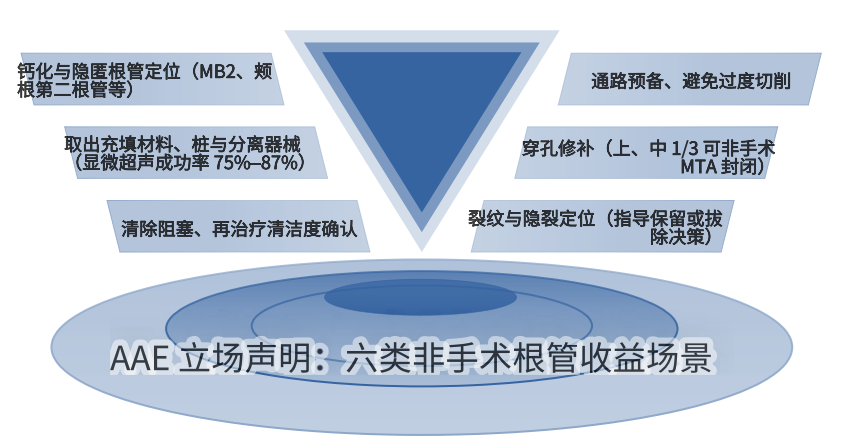
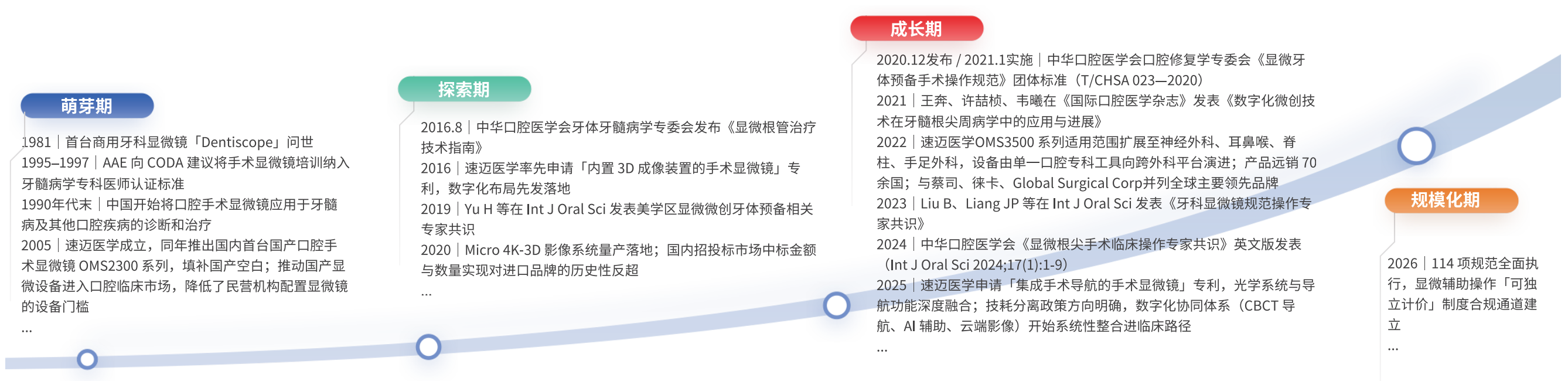
Supporting these figures is a decade-long standardization process advanced both domestically and internationally. The AAE's 2020 position statement listed six scenarios benefiting from non-surgical root canal treatment; the ESE's 2023 S3-level clinical guideline – based on 14 systematic reviews and the GRADE framework – also recommends the DOM as a routine practice. Domestically, the CSA has undergone four iterations, from issuing the first edition of the "Technical Guidelines for Microscope-assisted Root Canal Treatment" in 2016 to publishing the English version of the "Expert Consensus on Standardized Operation of Dental Microscopes" in the international journal IJOS in 2023. The scope has expanded from endodontics to restorative, periodontal, implant, and other departments, and the standard's hierarchy has evolved from industry guidance to a legally binding Group Standard. This is a complete evolutionary chain from clinical practice to institutional solidification.
 |
| Source: "Expert Consensus on the Operational Standards for Dental Microscopes in Endodontic Diagnosis and Treatment" |
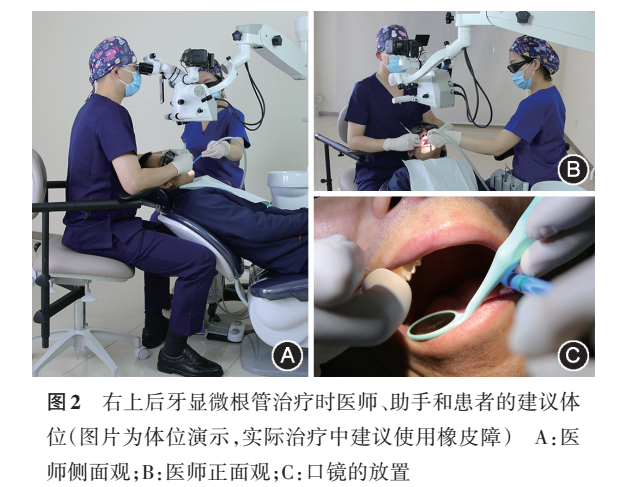
There is also a frequently overlooked dimension: the prevalence of work-related musculoskeletal disorders (WMSD) among Chinese dentists is as high as 80%, with the neck, waist, and back being the most affected areas. The "Expert Consensus on Standardized Operation of Dental Microscopes in Endodontic Diagnosis and Treatment" points out that maintaining correct posture under a microscope can significantly reduce cumulative damage to the cervical spine and spine. Protecting the professional lifespan of doctors is the least discussed aspect of this technology's value, yet it was repeatedly mentioned in the interviewed institutions.
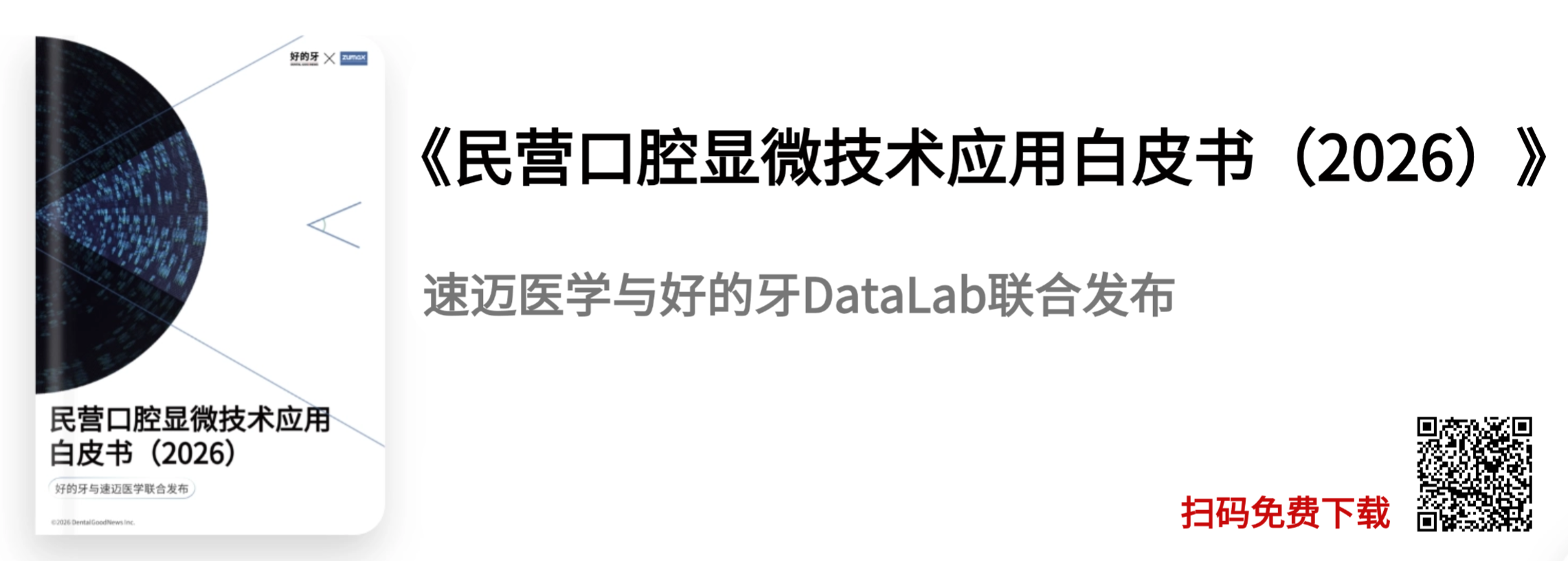
Two threads – the institution unlocking the pricing channel and clinical practice establishing the evidence system – converge at this juncture in 2026. This is the common background for understanding all subsequent discussions.
 |
# II. Global Landscape and China's Evolution
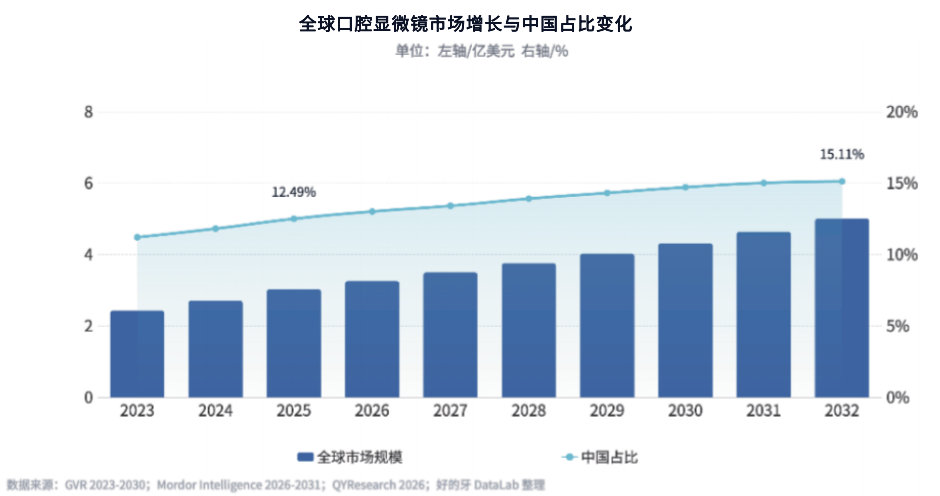
Currently, the DOM market is still expanding rapidly – and the growth center is shifting from hospitals to clinics. According to Grand View Research, the global market CAGR from 2023 to 2030 is approximately 11.88%, but the clinic segment's growth rate (CAGR ~12.2%) has surpassed the overall average. Mordor Intelligence predicts that by 2031, the clinic segment will account for about 42.1% of global revenue. The growth rate of the Chinese market continues to exceed the global average, with domestic mid-range models priced at 70,000-80,000 yuan, forming a significant structural gap compared to the global average price (~$44,200 in 2025).
 |
| Source: "White Paper on the Application of Microscopic Technology in Private Dentistry (2026)" |
This price gap reflects two decades of domestic evolution. Before 2005, a single imported device cost over 300,000 yuan, with usage almost exclusively limited to tertiary hospitals. Zumax Medical first completed the patent layout for "Surgical Microscope with Built-in 3D Imaging Device" in 2016, mass-produced its 4K-3D system in 2020, and in the same year, domestic brands surpassed imported brands in both transaction value and volume in the bidding market. The industry's total production increased from 2,470 units to 3,654 units (by 2022). The substantial lowering of the price threshold has shifted this equipment from being an exclusive tool for tertiary hospitals to being considered for configuration by a wider range of institutions.
 |
| Source: "White Paper on the Application of Microscopic Technology in Private Dentistry (2026)" |
However, equipment accessibility does not equal market saturation. By the end of 2022, China's overall penetration rate was only 7.5% (2.5% for individual clinics, 8.2% for chain clinics) – compared to the trajectory of U.S. endodontists, which went from 52% in 1999 to 90% in 2007, China is closer to the starting point than the midpoint. However, the market structures of the two countries differ, so this comparison serves only as a directional reference. What is certain is that at this stage, the factor limiting penetration is no longer price, but capability.
Looking at the existing competitive landscape, bidding data compiled by DGN DataLab (from Zhiliao Bidding, 2020-2025, primarily public institution procurement) shows Zumax Medical holds a 51.04% share of transaction value, followed by Zeiss at 27.17% and Leica at 2.23%, with the top three accounting for 80.44%. The number of procurements in 2025 (524) was a recent high. In a landscape where unit prices differ by a factor of 1.6 to 3, the domestic mid-range price band has achieved a scale lead in volume – this is the market context institutions need to understand when making vendor selections.
 |
# III. Financial Logic and Pathway Observations
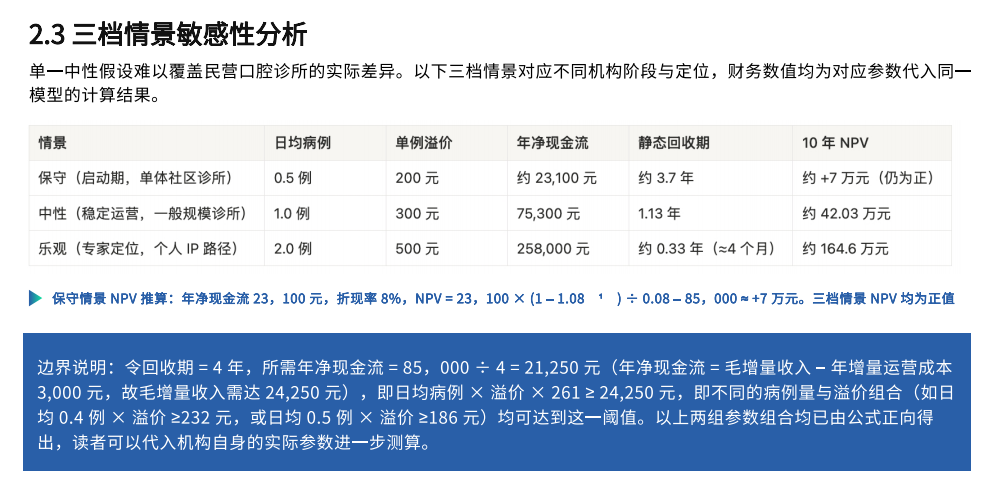
When institutions consider the DOM, the question is often not "Is this good?" but "Can the numbers work out?" The value of Chapter 2 of the white paper lies in structuring this question: it provides a parametric framework, not a one-size-fits-all payback answer – the figures are examples and require verification based on one's own situation.
According to the calculation model provided by Zumax Medical, under a neutral scenario assumption, the payback period is just over a year – which is not a long cycle for dental equipment investment. The white paper also presents conservative and optimistic scenarios for institutions to verify against their own circumstances. Of course, the real decision-making value is that this framework allows institutions to transform the intuition of "it feels like it will/won't pay off" into a discussable numerical boundary.
 |
| Source: "White Paper on the Application of Microscopic Technology in Private Dentistry (2026)" |
Beyond the numbers, narratives from 10 in-depth interview institutions reveal another layer of return: several repeatedly mentioned that improved one-visit cure rates reduced rework, image retention lowered dispute resolution costs, and the establishment of a technical image improved the retention willingness of core doctors. These benefits are difficult to quantify precisely in a financial model but constitute dimensions worth considering beyond the static calculation framework.
 |
| Source: "White Paper on the Application of Microscopic Technology in Private Dentistry (2026)" |
Different institutions also have different choices for the payback pathway. Some explicitly list a surcharge for microscopic procedures, some integrate it into their overall pricing, and others do not measure it in terms of fees at all, relying on technical reputation for long-term returns. Of course, the white paper presents these pathways to illustrate that success is possible under different institutional positioning, not to recommend one specific approach.
The above figures and scenarios are reference frameworks only. Actual business results are subject to multiple variables, including the local market environment, the progress of doctor capability building, and the pace of policy implementation. They do not constitute investment advice.
 |
# IV. Implementation Challenges and Capability Building Pathways
The survey data reveals a counter-intuitive finding: the primary concern for institutions is not equipment cost, but whether doctors can learn to use it effectively. 53.8% (n=302) of surveyed institutions ranked "long doctor learning curve, lack of continuous coaching" as the primary challenge, while only 9.4% (n=53) ranked "equipment cost and initial investment" first – the former was mentioned nearly 5.7 times more frequently than the latter.
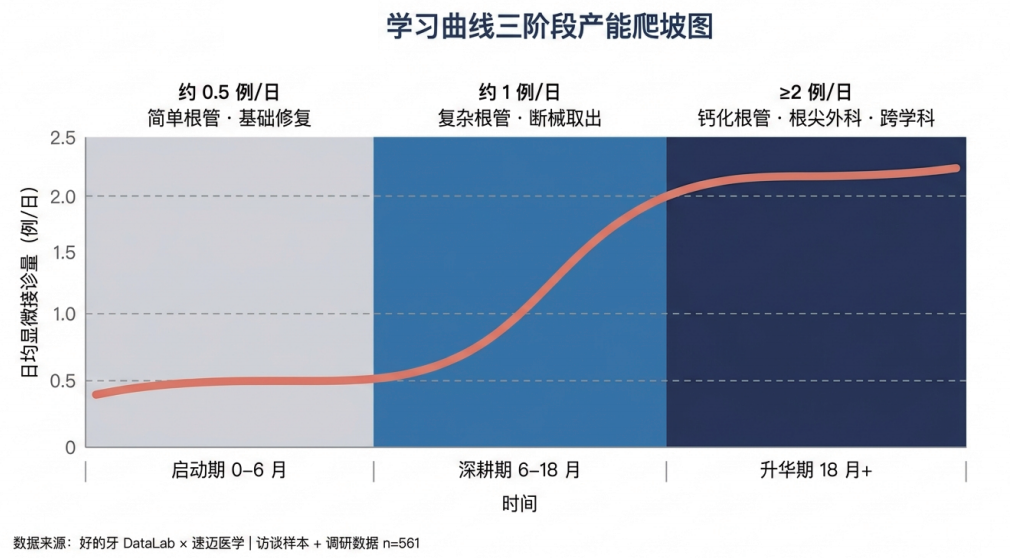
This gap is not just about learning efficiency; it directly impacts the value conversion of microscopic technology. Patients find it difficult to distinguish the substantive difference between conventional root canal treatment and microscope-assisted root canal treatment at the initial consultation. If the three technical tiers cannot be clearly articulated in the treatment explanation, the independent pricing channel granted by policy lacks a medium for implementation. If intraoperative images are not systematically archived, the process of precision treatment cannot be presented in a way perceptible to the patient – from "equipment in place" to "value realized," the missing piece is this conversion mechanism.
 |
| Source: "White Paper on the Application of Microscopic Technology in Private Dentistry (2026)" |
Interview samples provide specific references. An interviewed institution in Anhui displays the microscopic view on a screen in real-time and incorporates pediatric microscopic treatment into a long-term warranty system until the patient turns 18. The trust generated by this transparency sometimes manifests as a child's parent referring a relative for treatment within a week. An interviewed institution in Guiyang purchased its first Zumax Medical microscope after a dental exhibition in Guangzhou, added a second unit through a Zumax Medical bidding event just over a year later, and gradually achieved a one-per-doctor setup. Young doctors naturally developed acceptance after witnessing the institution handle complex cases with the microscope, and real-time screen display and image archiving significantly reduced decision-making friction for patients.
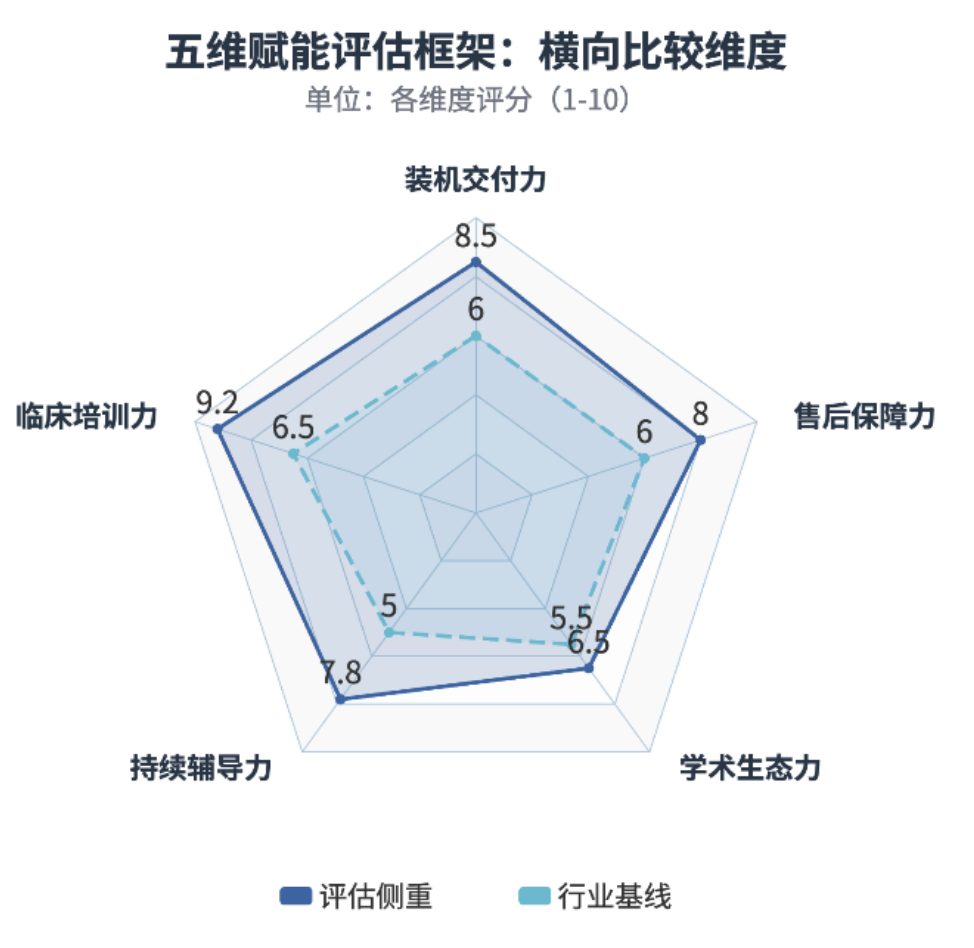
This also explains why 76.3% of institutions in the survey ranked "full-cycle empowerment" as their primary vendor selection criterion – a weight nearly four times that of "equipment price and after-sales response" combined (19.4%). This preference was highly stable across institutions with different challenge types: 81.1% of those concerned about the learning curve, 76.3% of those concerned about patient acceptance, and 64.2% of those concerned about equipment cost all prioritized full-cycle empowerment. From the 2016 technical guidelines to the 2020 expert consensus and the 2023 IJOS international edition, the vendor's role has evolved from product deliverer to rule co-builder and standard implementation promoter – this is the institutional root of this preference.
 |
| 图源:《民营口腔显微技术应用白皮书(2026)》 |
How to assess whether a vendor truly possesses full-cycle empowerment capability? The white paper distills five actionable dimensions. Asking these questions one by one is more effective than listening to the vendor's self-description: Installation and delivery capability (days from contract to first actual case, not installation to first case); Clinical training capability (modular progression, whether four-handed dentistry nursing is included); Continuous coaching capability (whether coaching frequency and format are contractually agreed); Academic ecosystem capability (breadth of course library and regularity of annual activities); After-sales support capability (local response records, not national averages). It is recommended that institutions ask the same set of questions to at least two vendors simultaneously, use written responses as the basis for comparison, and treat the gap in the weakest dimension as the decision-making weight.
As of April 2026, Zumax Medical's "Hundred Cities, Thousand Institutions" One-on-One technical service has covered over 3,000 dental institutions nationwide. Its online course library covers modules on Microscope-assisted root canal treatment, restorative, periodontal, implant, and operations... These service forms can serve as reference samples when comparing against these five dimensions.
 |
# Afterword
China's dental microscopic technology stands at a rare confluence: in 2026, policy has, for the first time, independently priced technical labor, opening an institutional channel. Nearly a decade of clinical evidence accumulation, coupled with sustained investment by technology vendors in training and empowerment systems, has collectively built the ecological support for technology implementation. Simultaneously, the competitive focus of the Private Dental Practice industry is shifting from expansion speed to treatment quality – three lines tightening simultaneously, creating an uncommon window of opportunity.
The 7.5% penetration rate, in this context, signifies two things: most of the story in this market has yet to unfold; pioneering institutions are still within an effective window for differentiated positioning. The institutions that have already succeeded, as shown in the white paper, did not follow the same path, but they share a common prerequisite – they took the matter of "truly using the technology" seriously, not just "buying the equipment."
For the high-quality development of Private Dental Practice, this may be the clearest path forward: building differentiation through precision treatment capabilities, rather than participating in homogeneous competition through discounts and scale. Policy has opened the pricing channel, clinical research has provided the evidence base, and the improvement of the technological ecosystem has lowered the implementation barrier – the clinical value accumulated by this technology over the years is now poised for true manifestation.
 |  |
| About DGN:DentalGoodNews (DGN) is a trusted professional media platform dedicated to the global dental industry. We deliver in-depth coverage of corporate news, policy & regulation, investment & funding, and clinical frontiers — serving dental institutions, device manufacturers, investors, and industry researchers worldwide. Contact us: haodeya@dongxizixun.com |

;)