Behind the Controversy of “Heart-Stirring Offer 8”: Doctors Are Not a Persona
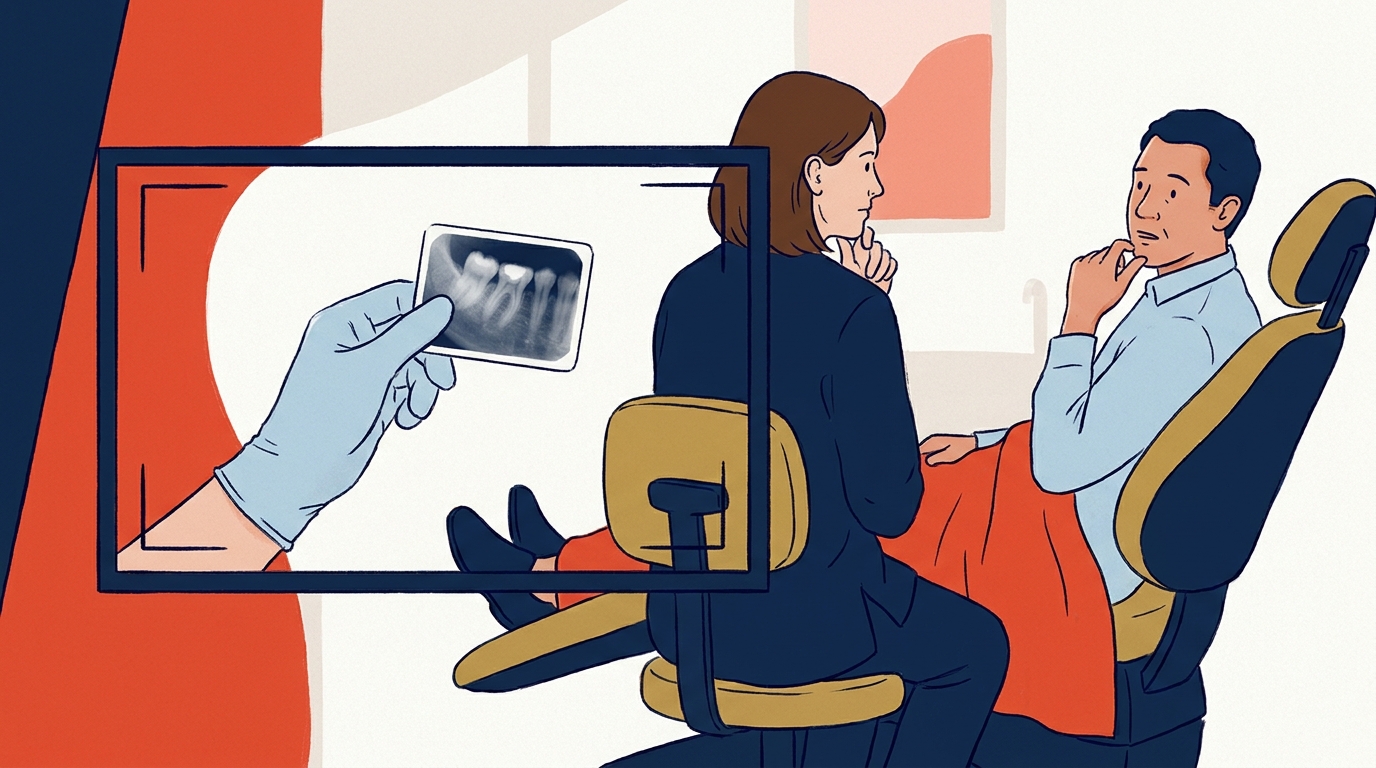 |
In "The Exciting Offer 8," a single "blind guess" pushed a medical student into the center of public opinion. His publication record, surgical participation experience, and clinical performance then became objects of public scrutiny. On October 28, 2026, according to "Zhengzai News," the program was not updated at its originally scheduled time. Tencent Video customer service responded that the update was postponed due to scheduling adjustments, and that subsequent arrangements would be subject to official announcements. (Note: The controversy and the scheduling change occurred in sequence, which is not sufficient to prove that the program was halted by regulators.)
"People's Sharp Review," under People's Daily, also published an article titled "Clinical Practice Is Not a Stage, Medicine Cannot Tolerate 'Blind Guessing'," emphasizing the rigor of diagnosis, the process of training, and the responsibility of surgery. The same report also relayed a response from school staff: the expression about "not doing clinical work during the doctoral period" caused misunderstanding, and the student had completed an 18-month clinical rotation. Specific remarks should be examined, and the relevant responses should also enter into judgment. A clip can raise questions, but it cannot by itself adjudicate a person's entire competence and academic integrity.
The difficult question left by this controversy lasts longer than judging whether a participant is likable: what exactly should a program that helps the public understand doctors make people see? Credentials, rankings, and on-the-spot performance are easy to recognize, but repeated verification, withholding conclusions, and seeking help from colleagues require explanation before their weight becomes apparent. If the camera preserves only the former, viewers may see vivid characters but still not understand why a profession is reliable.
The medical industry also faces this difficult question. In 2024, Ge Mengke, co-founder of Qingyuan Dental Orthodontics and a PhD in Oral Orthodontics, spoke in an interview with DGN about the distance between professional value and patient perception, as well as the issue of trust in before-and-after comparison images.
An image can show change, but it may not explain choice; doctors need to explain their judgments, and patients also need to explain how treatment will enter their lives. Looking back at "Offer 8" from this perspective, what we care about is not only how the program shapes doctors, but also whether it leaves room for professional judgment, patients' circumstances, and shared responsibility.
Medicine needs to be seen, but what is seen cannot be only the parts suitable for the camera. Starting from a specific controversy, discussing how to bring stories closer to medicine is also examining how the dental industry tells its own story.
The following:
I. The camera selects the protagonist, but who explains reliability?
It is not inappropriate for the public to come to know an unfamiliar profession through stories. Medical subjects do not have to abandon humor, emotion, and drama in order to prove their seriousness. A 2017 systematic review of fictional medical television and health found that relevant studies showed positive, negative, and mixed effects, while also pointing out limitations in research design. These results cannot be directly extrapolated to today's Chinese reality shows, but they remind us that entertainment form alone is insufficient to determine a work's public value. It is also necessary to see how it organizes material so that viewers can understand medicine on that basis.
The text introduction of the official overseas trailer for "Offer 8" organizes the internship into assessments at stages such as outpatient, inpatient, emergency, and charity clinic, including a competitive structure of elimination at the bottom and ultimately obtaining a formal offer. This arrangement can quickly establish goals and suspense, but program selection and clinical training are not the same task. The former needs to continually highlight differences among characters, while the latter needs to continuously test whether a person can work reliably. One performance can affect ranking, but it may not be enough to explain how competence is formed.
 |
| Source: YouTube |
The question therefore falls on the scale of evaluation. Quick answers easily appear outstanding, while withholding judgment may look like hesitation; completing a procedure personally easily becomes a highlight, while timely help-seeking may be seen as dependence. Only by explaining the basis, conditions, and division of labor do viewers have a chance to understand the professional meaning of these actions. Otherwise, communication has not eliminated the threshold of understanding; it has merely replaced harder-to-explain quality of work with more easily recognizable external performance.
French philosopher and historian Michel Foucault's discussion of examination can help identify this relationship: observation, recording, comparison, and normalization both evaluate a person and influence what a person strives to become. Applying this line of thought to program analysis is not to assert that producers are manipulating behind the scenes, but to ask what evaluation rules encourage. Clinical supervisors test clinical judgment, production teams organize character images, and viewers express likes and dislikes based on clips. The three hold different materials and bear different responsibilities, so naturally they should not substitute for one another.
Therefore, the author believes that all controversy cannot be handed over to one student, nor can "it's all editing" exempt specific words and actions from examination. Analyzing how the finished film produces a certain impression and proving that producers intentionally created that impression require different evidence. Likewise, criticizing a mistake and concluding that a person is unfit to practice medicine are also different. The more accurately responsibility is allocated, the more powerful commentary becomes; pushing positions to extremes may instead make the questions that truly need answering disappear.
 |
| Source: Weibo |
For medical students still in training, it should also be asked what happened after the mistake. How the judgment was corrected, whether the guidance was understood, and whether similar problems can be avoided afterward are all part of the training process. If mistakes are repeatedly played while correction has no place, viewers easily understand medical education as screening out the unqualified, without seeing how reliability is gradually formed through training. Of course, acknowledging growth is not lowering standards, but requiring the program to explain clearly how standards are implemented.
Camera likability also cannot by itself prove professional competence. Warm expression is certainly worth cherishing, but accurate judgment still must be tested separately; being poor in front of the camera does not mean being unwilling to provide careful care. If a professional program can help viewers distinguish the reasons for liking a person from the basis for trusting their work, it will have completed one more layer of explanation than simply creating a few popular characters.
Stanford University emergency medicine professor Matthew Strehlow's evaluation of the American medical drama "The Pitt" provides a reference. He affirmed the continuous participation of professional doctors in creation and also discussed the work's presentation of emotional switching: having just faced death, one still must turn around to care for the next patient. But he also pointed out that the series compressed many eye-catching cases and presented insufficiently the labor occupied by the team and the medical record system. This is an expert's evaluation of a work and cannot be regarded as proof of an effect in improving public trust; its inspiration lies in refining "whether it feels real" into which realities were given a place.
Omissions discovered in time, procedures not rashly performed, and a necessary request for help may not carry dramatic effect in themselves, but they can all explain how a profession avoids harm. In practical terms, the program does not need to list work processes item by item, but at least it should make the reasons for key actions understandable. Reliability exists not only in what was accomplished, but also in knowing what must not be rashly done. When this enters the story, doctors no longer need to maintain their image by always being decisive and always correct.
II. The condition is explained clearly, but the patient may not be understood
For a long time, doctors' labor has easily been obscured by highlights, while patients may be obscured by cases. The camera explaining the condition, treatment, and outcome can already constitute a complete plot; but for the person involved, treatment is only one part of life. Why he accepts it, why he hesitates, and what he does not wish to disclose will not automatically be explained once the diagnosis is clear. Letting doctors be fully understood cannot come at the cost of leaving the patient with only one task to be completed.
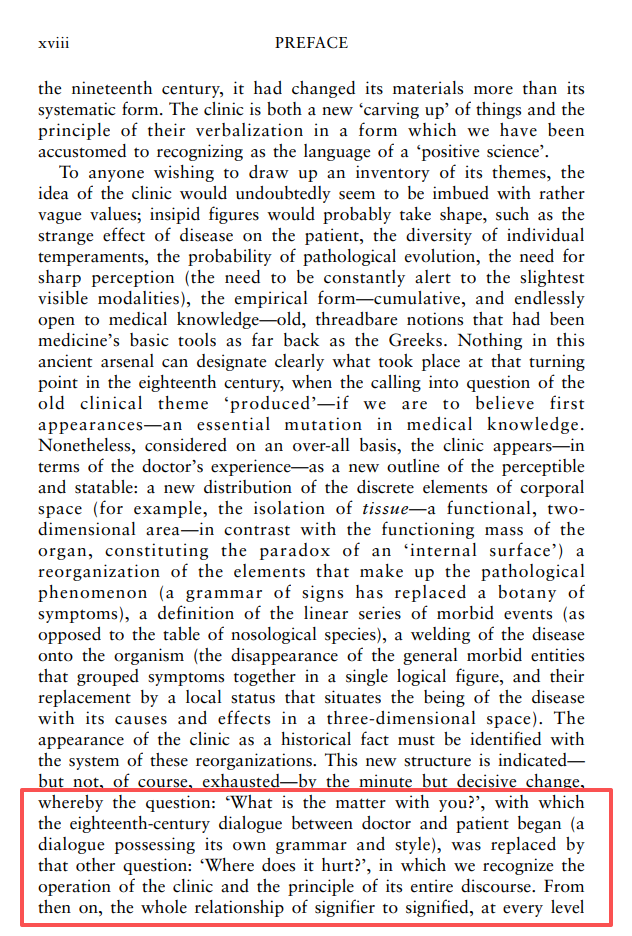
"The Birth of the Clinic" discusses historical changes in medical perception and language: how disease becomes an object that can be observed, described, and located. In the preface, Foucault compares changes in questioning, from asking patients what problem they have to asking where it hurts. What the author wants to discuss here is the reorganization of the way medicine understands the body, not to provide today's doctors with a moral verdict between two ways of asking. Classification and abstraction are abilities required for diagnosis and treatment, but they cannot exhaust a person's experience of illness.
 |
| Source: The Birth of the Clinic |
Medical anthropology's distinction between disease and illness experience further explains this limit. How the professional system understands disease and how a person feels, interprets, and copes with illness are related to each other but cannot substitute for each other. At the dental chair, worries may involve pain and cost, and may also involve work arrangements and expectations about appearance; a patient's refusal of a recommendation may be because he has not yet understood, or because he has understood and made a different trade-off. The specific reasons all need to be asked, and precisely because of this, we cannot infer them merely from examination results.
It is worth noting that when the medical process enters video, it undergoes another layer of selection. Diagnosis and treatment organize experience into materials needed for judgment, and the program then organizes these materials into characters, suspense, and endings. Both forms of organization have their uses, and both may push part of experience into the background. If patients appear only to prove doctors' competence and drive participants' growth, their own judgment about their lives easily loses independent weight. The disease is explained clearly, but the person still has not fully spoken.
If we return to an anthropological understanding, the first requirement is that explanation should not run faster than the material. A refusal does not need to be immediately classified as non-cooperation, and a silence does not necessarily mean distrust. After further understanding, creators may find that the person's reasons do not fit the preset. At that point, what needs adjustment is the original explanation, not an effort to make the material again obey a smooth story. This is not to require that all characters ultimately deserve praise, but to let evaluation happen after understanding.
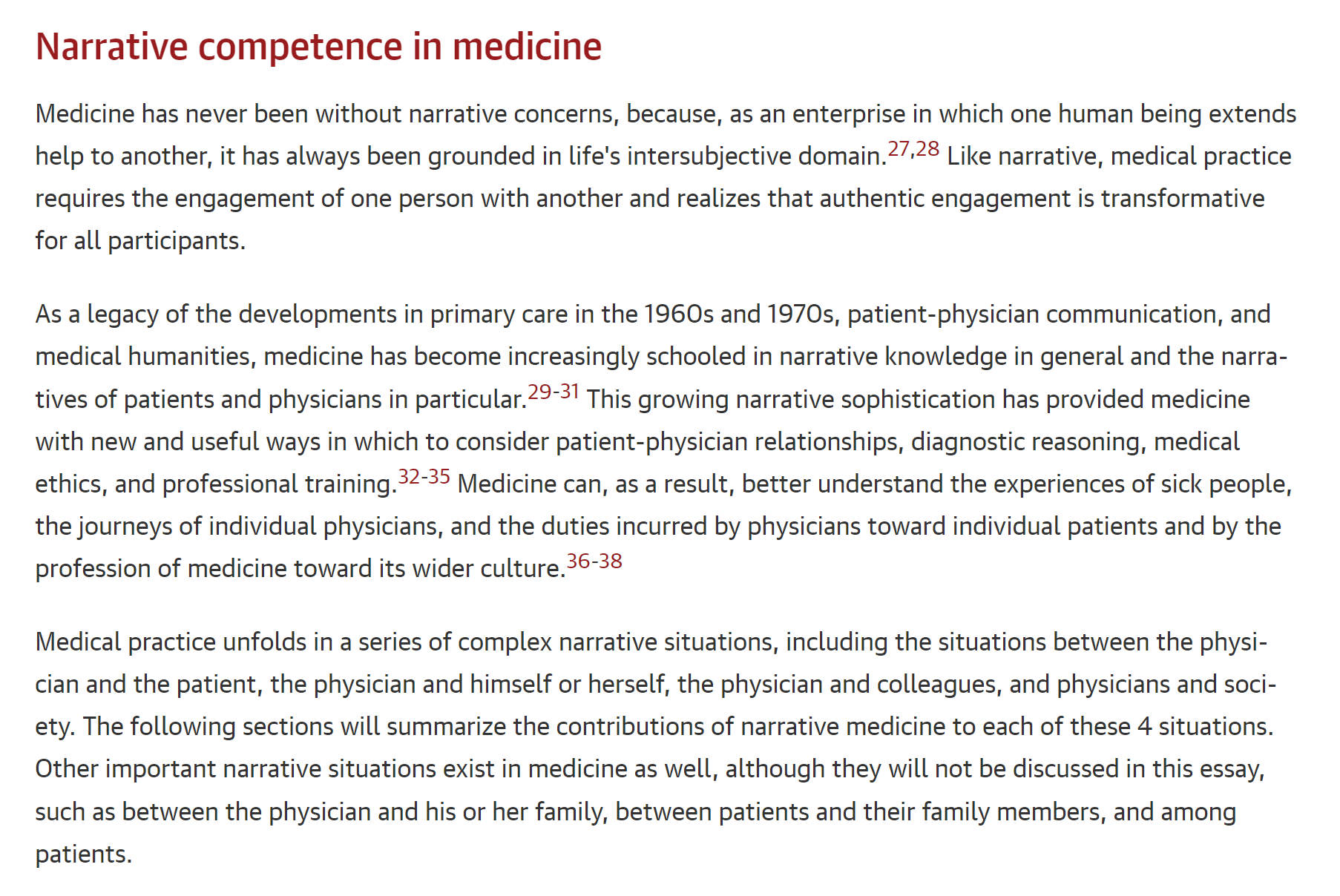
Narrative medicine, discussed by American Columbia University internist Rita Charon in a 2001 article published in the Journal of the American Medical Association (JAMA), is also not merely about telling experiences movingly. It emphasizes receiving, understanding, and responding to others' stories, as well as doctors' reflection on themselves, colleagues, and social relationships. Response means subsequent action: whether one can explain more accurately after hearing concerns, and whether one can jointly discuss feasible choices after understanding limits. Emotion here becomes part of professional practice, not a layer of gentle image overlaid on diagnosis and treatment.
 |
| Source: Rita Charon, Narrative Medicine: A Model for Empathy, Reflection, Profession, and Trust |
This understanding also protects the boundaries of both sides. Doctors do not need to accept expectations beyond professional judgment in order to prove empathy; patients do not need to first appear sufficiently cooperative before they deserve to be taken seriously. The two sides may still disagree, and the value of communication lies in making the disagreement accurately explained. If stories always end satisfactorily with the patient finally persuaded and the doctor finally appreciated, they may omit those encounters in which no agreement was reached but responsibility was likewise seriously borne.
Respecting a person also includes allowing him not to provide a satisfying ending for the story. Patients, medical staff, and young participants can all retain parts that have not yet been explained. Only then can medical narrative have a chance to escape the cycle of persona: first make the person clear, then wait for a performance to confirm or overturn him.
III. Results can be shown quickly, choices need time
For the dental industry, preserving the patient's place needs to be implemented in how treatment is introduced. A before-and-after comparison image can quickly show change, but making a decision also involves goals, conditions, alternative paths, and costs. Dr. Ge Mengke's discussion of professional value and image trust in the above interview comes from his clinical experience; this interview also has a brand cooperation context and cannot represent the views of all patients; the question it raises still holds: how many clues for understanding choices does a person who sees the result receive?
Images are not the opposite of communication. They can make differences that are difficult to describe intuitive and can help both sides discuss goals. But they can hardly answer on their own why this plan was adopted, whether there were other options, and whether the cost is acceptable for this person. The more persuasive the display, the more necessary these explanations become. Otherwise, patients may learn to compare results but still be unable to judge which path suits their lives.
Mr. Li Wenbiao once wrote a book review of "Doctor-Patient Communication in Dental Clinics" published in DGN, placing understanding, respect, and equality in an important position. Following this awareness of the problem, the quality of communication should not be measured only by whether the patient accepts the plan. Being able to clarify goals, understand recommendations, and recognize possible consequences may still make it a valuable communication even if the patient ultimately postpones or refuses. Professional judgment and personal trade-offs need to meet, not engulf each other.
 |
Of course, this work requires time and attention. A conclusion can be stated very briefly, but helping a person understand the conclusion amid worry may not be equally rapid. Communication hopes to report progress as quickly as possible, while care must decide according to actual circumstances when to judge and when to continue observing. A program can compress duration, but it should not delete the reasons for time altogether: what information is still being awaited, why a commitment cannot yet be made, and what changes would affect the next arrangement. Viewers do not need to experience the same length of waiting, but they should understand why it cannot be faster.
Uncertainty can therefore become content of narrative rather than a blank hurriedly skipped over. Explaining the basis for temporarily considering a certain direction, what evidence is still lacking, and when correction is needed can give caution a concrete form. This also means that the "blind guess" controversy needs to return to complete materials: clinical hypotheses and irresponsible guessing cannot be distinguished by a single word alone; context, basis, subsequent verification, and supervisory feedback must also be examined. Existing reposted reports are not sufficient to replace a complete review of the specific clip.
What also needs time is the process in which patients digest information, discuss with family, and reorganize expectations. If every pause is regarded as delay and every refusal as distrust, then joint decision-making leaves only one path: accepting the recommendation. Letting patients explain their concerns does not automatically weaken the doctor's authority; it makes the real conditions facing professional recommendations clearer and also lets both sides know what still needs to be discussed next.
CCTV.com's recently broadcast documentary "Health from the 'Teeth'" places dental cases, medical development, history, and science popularization within the same creative positioning. This provides a broader entry point for topic selection than result display: how teeth connect with life, how knowledge accumulates, and how health is understood and maintained. A synopsis alone cannot determine whether the work fully achieves these goals, but the dental industry can use this to continue exploring how content beyond result images can also gain expression.
 |
Why a result is good needs to be shown; why a decision suits this person needs to be explained. If the industry hopes the public will understand professional value, it cannot only ask patients for a little more patience after controversy arises; it should also leave space in everyday communication for the basis of judgment, applicable conditions, and the parts that cannot be promised.
IV. To understand doctors, one must also understand what they can do
Explanation and waiting do not depend only on one person's patience. How much time a doctor can devote and what collaboration he receives, and how much cost a patient can bear and what support he can mobilize, may all affect a diagnosis and treatment. If all difficulties are ultimately solved by one good doctor, praise may imply another requirement: if the matter is not resolved, it is only because this person is not good enough. The story celebrates the individual but does not explain the conditions of his work.
In 2014, Jonathan M. Metzl, a researcher at Vanderbilt University's Center for Medicine, Health, and Society, and Helena Hansen, a researcher at New York University and other institutions, proposed "structural competency" in a co-authored paper, requiring medicine to pay attention to how institutional and social conditions enter diagnosis and treatment that appear to occur between individuals. This framework cannot prove that the "Offer 8" controversy has some determined structural cause, but it can help broaden the inquiry: when a patient does not adopt a recommendation, what choices does he actually have? When a doctor does not meet expectations, what resources can he mobilize? Explaining conditions is to identify the responsibilities of all parties, not to cancel responsibility for any party.
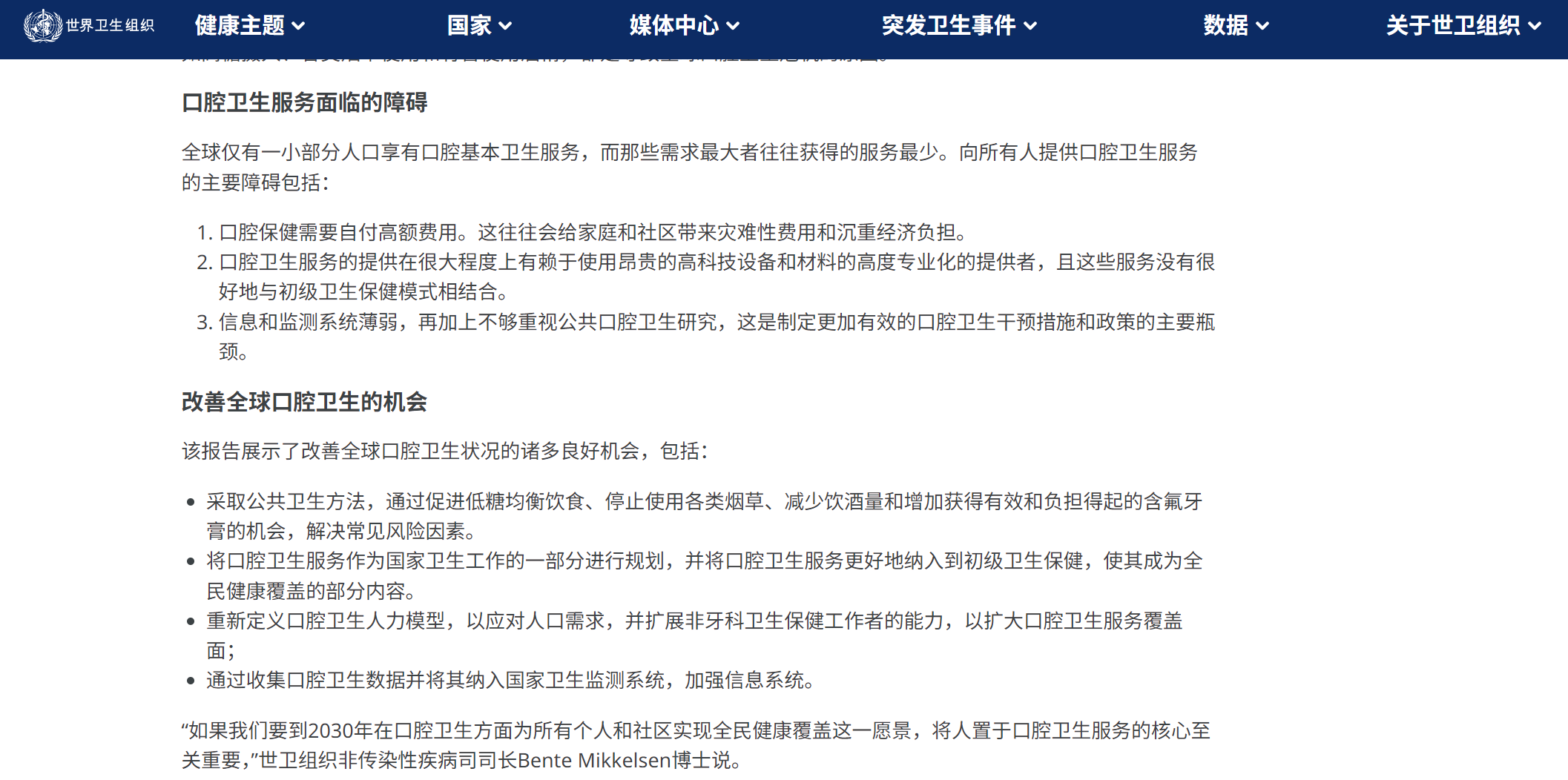
In the materials released for its 2022 oral health report, WHO pointed out accessibility barriers caused by out-of-pocket costs, expensive equipment, and models that overemphasize specialist services. Although this global material cannot replace specific data for China in 2026, it suggests an important distinction: services that can be provided technically are not the same as services a person can actually obtain. Talking only about the former is insufficient to explain patients' final choices.
 |
| Source: World Health Organization official website |
Therefore, the hesitation that remains after knowledge is explained should not be attributed entirely to lack of understanding; the difficulties that remain after warm expression should not be attributed entirely to attitude. Which come from insufficient information, which involve life trade-offs, and which require resources or institutional responses must continue to be understood. Rather than vaguely sighing that both doctors and patients have it hard, distinguishing these relationships is more helpful for finding the parts that can be changed.
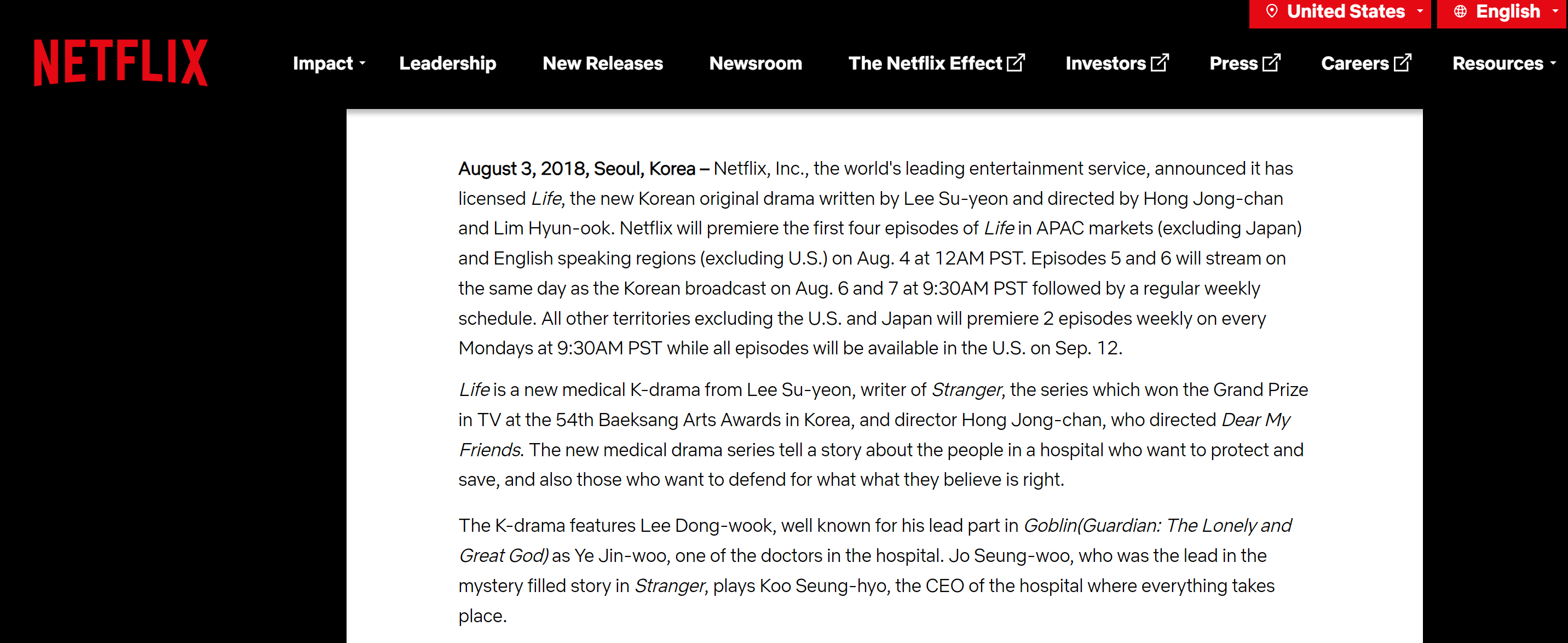
In addition, creative materials related to relevant works provide different entry points. A 2023 report on "The Heart" introduced how the creators visited hospitals, communicated with frontline medical staff, and involved consultants in creation, and also paid attention to the presentation of costs, abandoning treatment, and doctors' own dilemmas; the report also pointed out that the work still had idealized aspects. Professional research is therefore both the foundation of creation and not a credential exempting it from continued examination. The official introduction of 2018's "Life" listed main characters such as doctors and hospital CEOs, as well as the values each character upholds. It can open discussion at the organizational level, but fictional settings do not prove how real hospitals operate, still less should they reduce doctors and administrators to embodiments of ideals and obstacles.
 |
| Source: NETFLIX |
The same sense of proportion also applies to the relationship between research and clinical practice. Emphasizing clinical training does not require demeaning papers as decoration; pointing out that credentials cannot by themselves prove competence does not mean credentials have no value. What truly needs to be asked is which ability the evaluator is testing, and whether a certain indicator has replaced the specific examination that should have been carried out. Letting different forms of labor each occupy their proper place is closer to respect for the profession than elevating or demeaning them according to the needs of public opinion.
Admittedly, a program does not need to solve all problems of payment, training, and resource allocation, but it can decide whether to let these conditions enter the story. If doctors are required to explain seriously, the time needed for explanation should be seen; if teamwork is required, one person cannot be made to represent all labor. Deeper empathy for doctors is understanding why some difficulties should not be left to doctors alone. This does not lower professional standards, but continues to ask about the conditions required to realize those standards.
V. Let boundaries enter the story, and trust will have a basis
When a story accommodates conditions and boundaries, it must also accommodate unsatisfactory results. I recall Xinhua News Agency's 2016 report on "Renjian Shi," which introduced the creative orientation of the filming team going deep into the frontline and not avoiding treatment failure and what doctors can and cannot do. It cannot replace watching each episode, but it suggests a direction for evaluation: an outcome failing to meet expectations does not by itself show whether responsibility was seriously borne. The limits of medicine and the efforts people make within those limits need to be understood together.
Presenting limits is also not the same as seeking more intense sadness. The vulnerability of patients and family members easily becomes emotional material; the more so, the more necessary it is to examine the necessity of making it public. What the images made the public understand, whether there are ways of expression that expose less, and whether the people involved know how they will be presented should all enter creative judgment. A story being moving does not mean the way it is told is already appropriate.
China's Personal Information Protection Law lists medical and health information as sensitive personal information, stipulates relevant processing conditions and protection requirements, and also provides for statutory circumstances such as news reporting in the public interest. How it applies to a specific program must be judged in light of facts and cannot be used to make a finding of illegality on this basis. For the production process, the basis for processing, necessity, and scope of notification should be carefully checked, and a signature should not replace continuous examination of how materials are used. Law and ethics need to enter filming, editing, and dissemination, not only enter statements after controversy.
 |  |
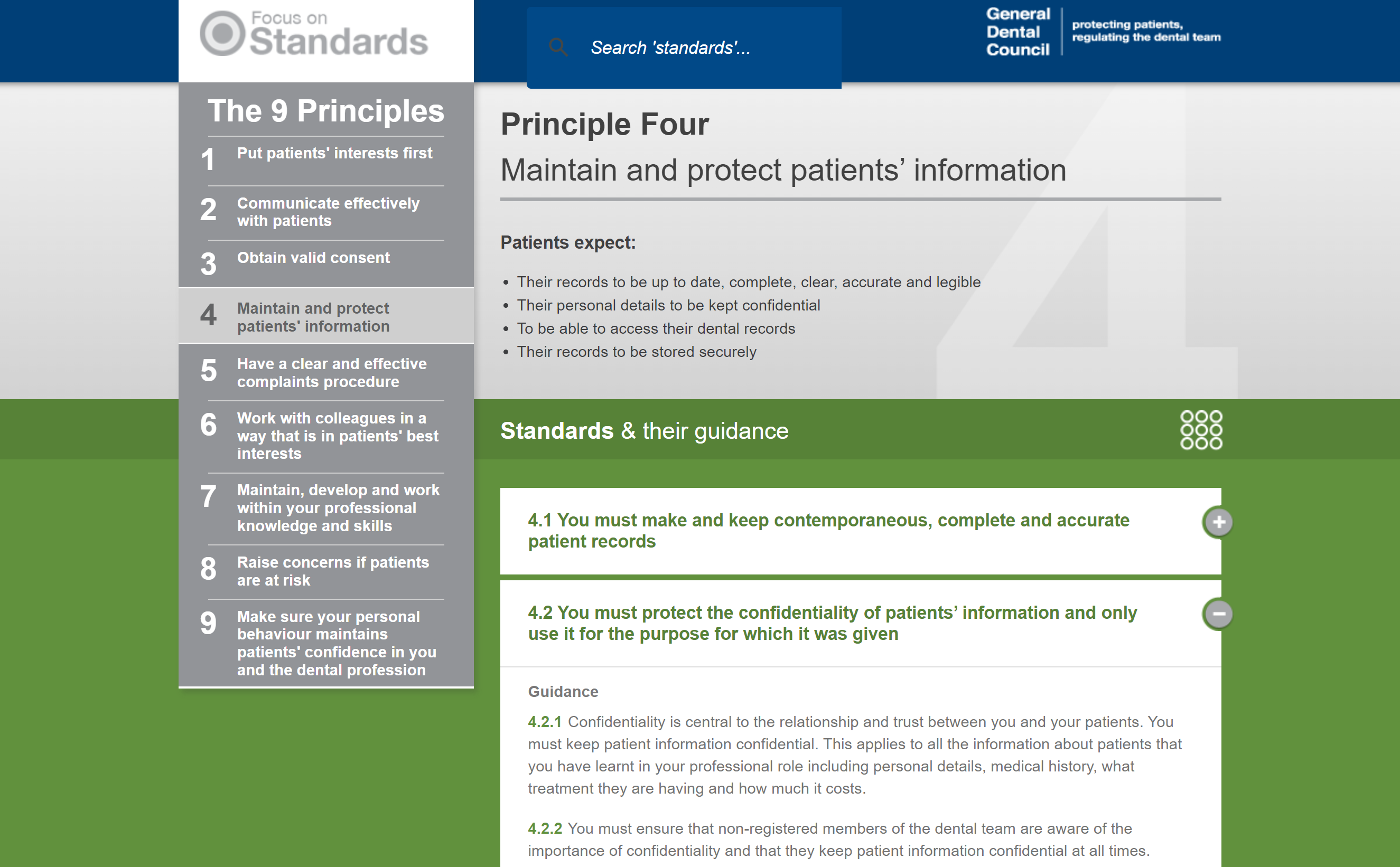
The UK GDC dental professional standards set requirements for the use of patient data, images, and recordings, including explaining the purpose, confirming understanding, recording consent, and limiting unnecessary exposure. These are UK professional standards, not a legal basis in China; by comparison, they show that there is still concrete work between consent and understanding. When materials move from the clinic into public space, both purpose and audience change, and notification of this change should not be treated merely as a procedure before obtaining content.
 |
| UK GDC Dental Professional Standards |
The same sense of proportion should be maintained toward medical staff. Exhaustion can move people, but it should not become an obligation to endure without limit; going all out deserves praise, but it does not mean that only constantly exceeding limits counts as dedication. Strehlow's discussion of "The Pitt" acknowledges both that the next patient needs full attention and that the emotions of the previous experience do not automatically disappear. Caring for others and needing support can coexist in the same professional image.
Respect does not exclude lightness either. A 2019 report on "The Restaurant That Forgets" provided a nearby reference different from clinical programs: entertainment forms can try to give people with cognitive impairment a chance to be known. It cannot be concluded from the report alone that all its presentation was appropriate, but evaluation questions can be raised from it: do the characters have a place to express themselves, who participates in the laughter, and who is merely an object being watched. Whether humor respects people must return to specific relationships, not be judged merely by form.
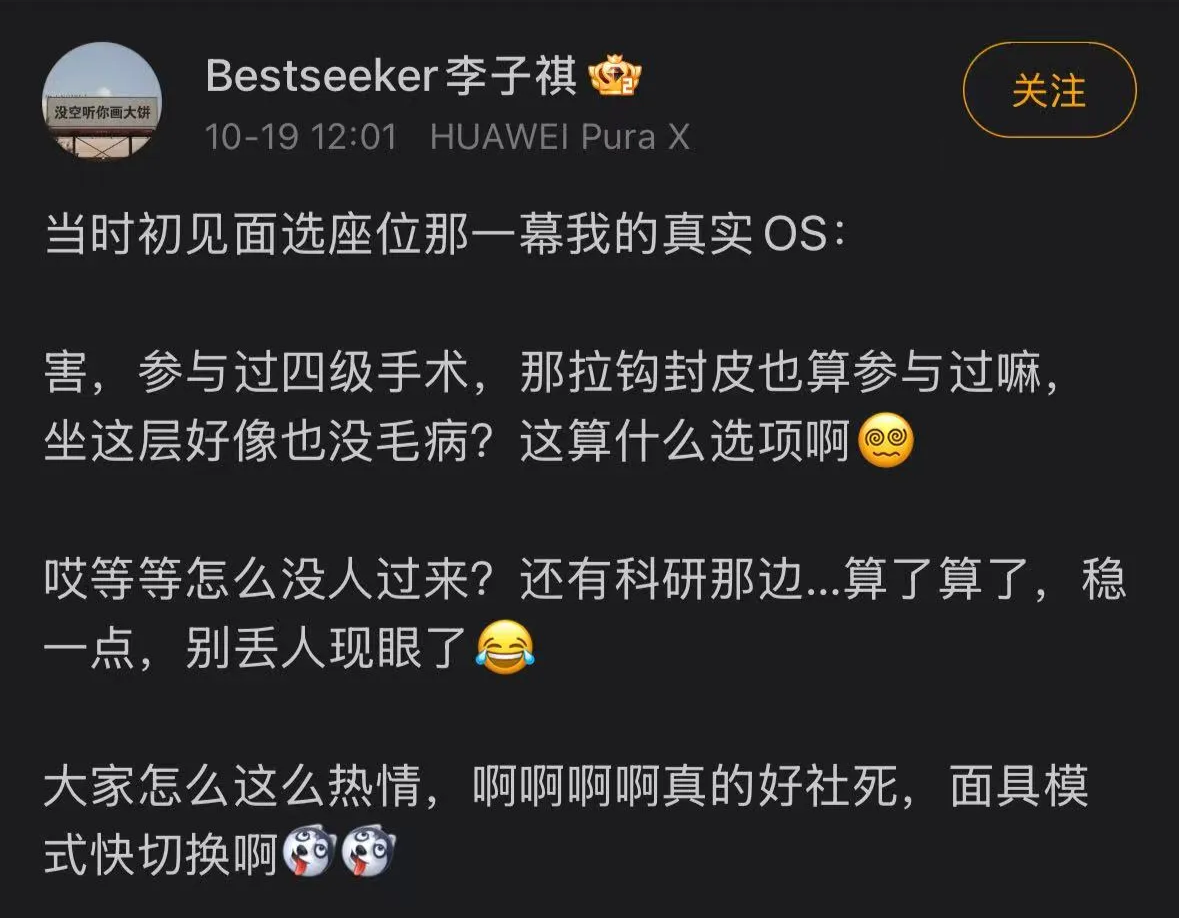
Doctors in medical programs can be humorous, patients can have tempers, and young participants can also express themselves immaturely. Explaining context is not avoiding criticism; leaving room for correction is not exemption from accountability. Professional review, in addition to checking terminology and procedures, should also examine team division of labor, patient selection, and uncertainty in judgment. In particular, the distinction between "participation" and "independent responsibility" involves qualifications and responsibility and cannot be left for viewers to fill in themselves. Titles, trailers, subtitles, and clips also affect understanding, and professional participation should reach these links as well.
 |
| Source: Weibo |
This is not destined to weaken watchability. A handover can make the team known, a correction of judgment can advance the plot, and a conversation that finally clarifies disagreement can also create tension. The earlier professional knowledge enters creation, the more opportunity it has to form the story together with characters' actions, rather than adding an explanation afterward. Public value can lie in these specific relationships: accurately explaining boundaries, listening equally to choices, presenting collaborative labor, and facing people still growing with friendliness. Dedication does not need to be proved by never being tired, and positive expression does not need to exclude real conflict.
Liucenglou, formerly an obstetrician and gynecologist at a Beijing tertiary hospital and later a full-time creator of women's health science popularization, spoke in a 2024 interview with "Deep Training Camp" about shifting from answering knowledge questions to asking about the circumstances behind women's health troubles, and also about the tension among expression, commercial survival, and self-worth. This is a creator's self-account and cannot replace evaluation of all content; but the question it raises is worth retaining: knowledge has been explained many times, so why do the troubles remain? Continuing to understand circumstances can make communication not only correct a mistake, but also begin to identify the conditions under which mistakes recur.
Perhaps the dental industry also needs to bring this requirement back to itself. Whether applicable conditions are explained when introducing technology, whether necessary limits are stated when showing treatment, and whether the person's understanding and choice are respected when using images all participate in shaping the public's understanding of dentists. If patients are expected to respect the profession, they should be given the opportunity to understand, ask about, and discuss professional judgment. The standards set for programs cannot fail in the industry's own communication.
Returning to "The Exciting Offer 8," the specific remarks and scheduling situation still need to be further verified based on complete materials, clear responses, and the latest announcements. What this article can discuss is the scale of evaluation prompted by these controversies, not to complete a characterization on behalf of any party. The public can criticize mistakes and also needs to know how mistakes are discovered and corrected; it can appreciate competence and should also distinguish individual performance from team responsibility. If trust can only be built on the imagination of a person who is always right, it will be difficult to accommodate the uncertainty that medicine actually faces.
Doctors do not need to first become perfect people before they deserve to be understood; patients do not need to first become cooperative people before they deserve to be taken seriously. This does not prevent testing competence or pursuing responsibility; rather, it requires criticism to be more specific and understanding to be better grounded. What the camera can do is let viewers see how judgment is formed, how choices are made, and how individuals bear responsibility through training, evidence, and collaboration. When these processes are clear enough, doctors no longer need to rely on a persona to prove that this profession deserves trust.
| About DGN:DentalGoodNews (DGN) is a trusted professional media platform dedicated to the global dental industry. We deliver in-depth coverage of corporate news, policy & regulation, investment & funding, and clinical frontiers — serving dental institutions, device manufacturers, investors, and industry researchers worldwide. Contact us: haodeya@dongxizixun.com |

;)