New Data: Global Dental Device Market Projected to Grow at 4.8% CAGR from 2026 to 2035, China May Become a Major End-Consumer Market
 |
| Source: Global Dental Equipment Market Report |
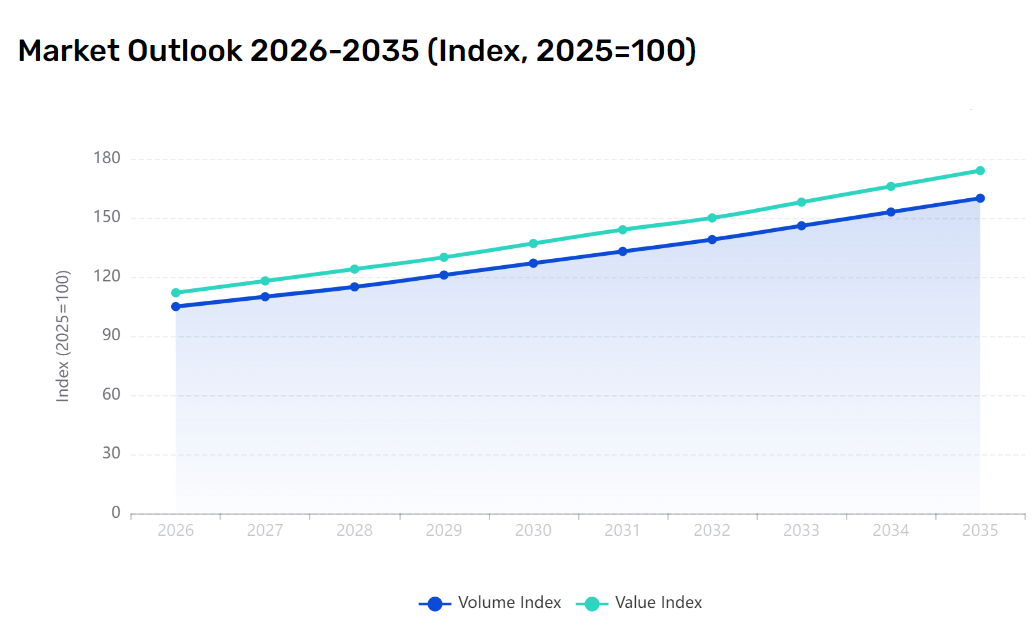
[SOURCE] DentalGoodNews|A recent global dental equipment market report released by IndexBox shows that the global dental equipment market is expected to maintain steady growth from 2026 to 2035, with a compound annual growth rate (CAGR) of approximately 4.8%, and the market index is projected to reach 160 by 2035 (with 2025 as the base of 100).
The report notes that the global dental equipment market is being shaped by factors including digitalized clinical workflows, demographic shifts, and the transformation of oral healthcare service models. As the population ages and natural teeth are retained longer in older adults, demand for restorative and preventive oral care is expected to increase. At the same time, the adoption of digital equipment such as Intraoral Scanners, Computer-Aided Design/Computer-Aided Manufacturing (CAD/CAM) systems, and Cone Beam Computed Tomography (CBCT) will also drive equipment renewal and the proliferation of digital workflows. The report predicts that the Digital dentistry segment will grow faster than the overall market.
 |
| Source: Global Dental Equipment Market Report |
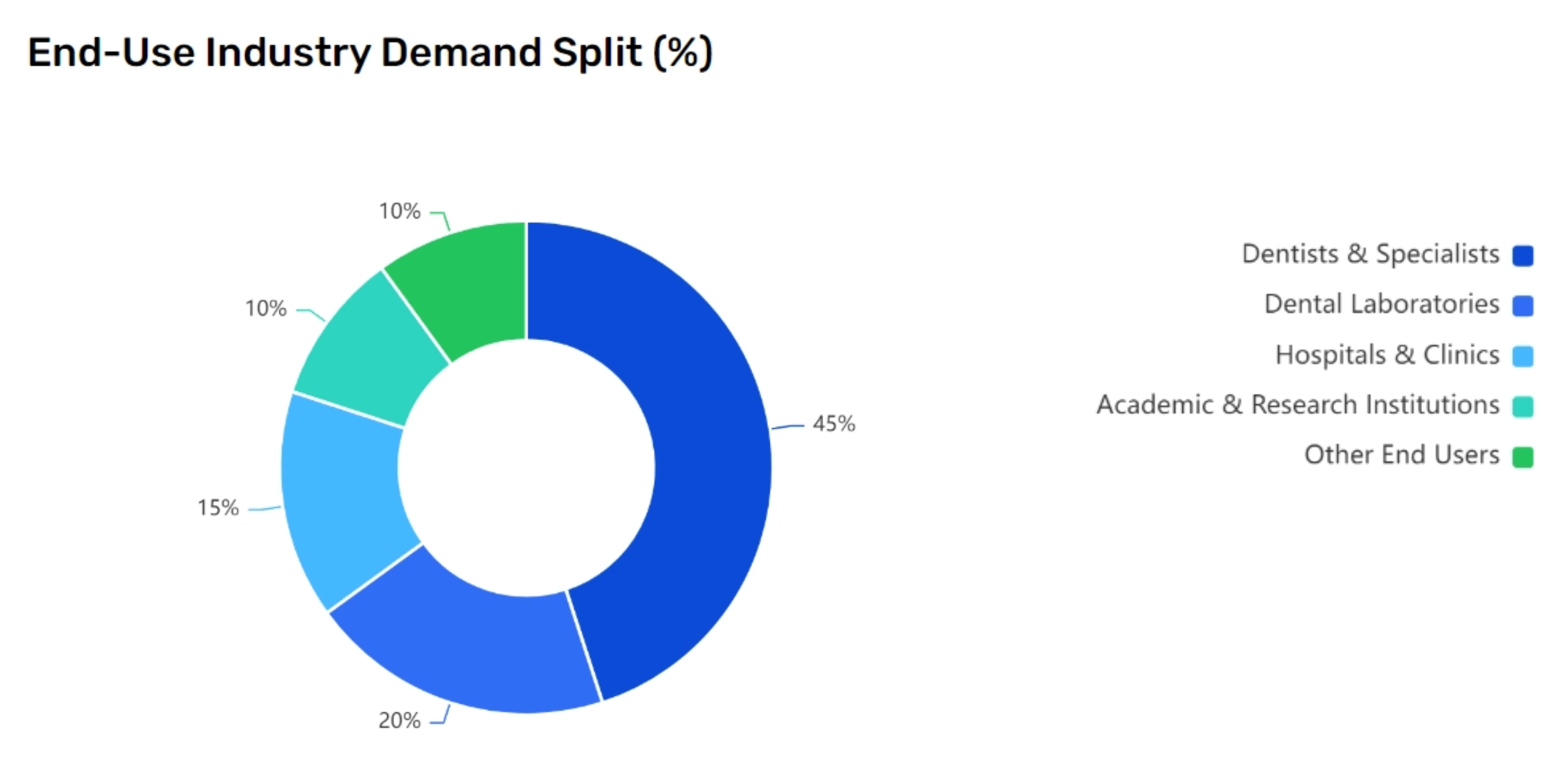
In terms of end-user structure, dentists and specialists represent the largest demand group, accounting for approximately 45% of global dental equipment market demand; Dental Laboratories account for approximately 20%, hospitals and clinics approximately 15%, academic and research institutions approximately 10%, and other end users approximately 10%. Among them, equipment procurement by dentists and specialists is gradually shifting toward digital workflows, with expanding adoption of Intraoral Scanning, CAD/CAM, 3D Printing, and CBCT equipment. Dental Laboratories are accelerating the transition from traditional analog processes to digital production and are gradually extending into specialized areas such as full-arch implant restorations, complex prosthetics, and Clear aligners.
 |
| Source: Global Dental Equipment Market Report |
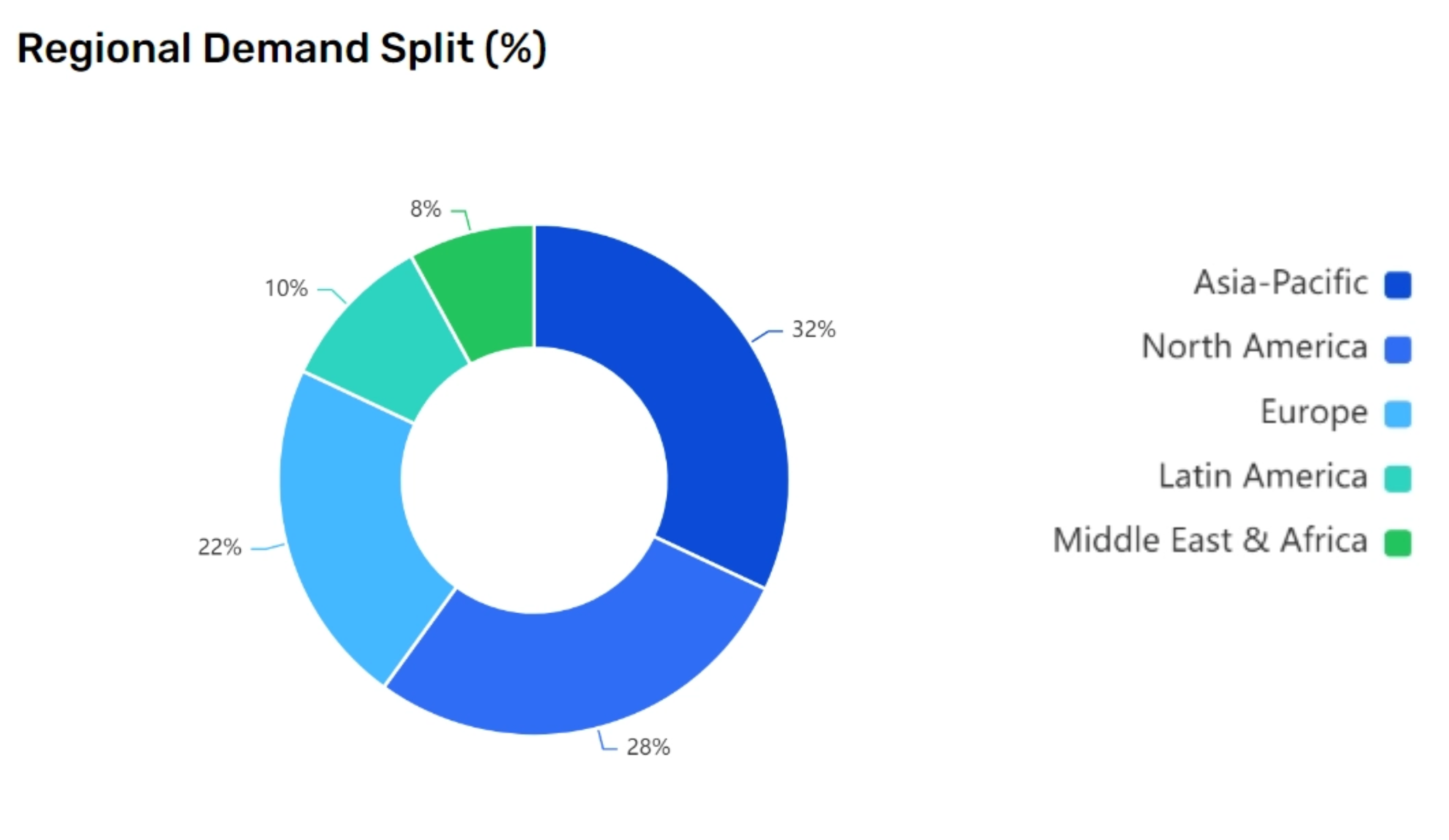
In terms of regional market structure, North America remains the largest global dental equipment market, while the Asia-Pacific region is expected to be the fastest-growing region in the future. According to the report's forecast of regional demand structure for 2035, the Asia-Pacific region's market share is expected to reach 32%, North America approximately 28%, Europe approximately 22%, Latin America approximately 10%, and the Middle East and Africa approximately 8%. Among them, China is both an important dental equipment manufacturing base and a major end-consumer market; India and Southeast Asia have further growth potential. The North American market, driven by higher dental spending, insurance coverage, and digital technology adoption, will see subsequent growth mainly from equipment renewal and technological upgrades; the European market is characterized primarily by mature digital applications and demand for high-end equipment.
In terms of growth drivers, population aging, rising oral health awareness, the expansion of Dental Service Organizations (DSOs) and group clinics, and the proliferation of digital diagnostic and treatment technologies are the main driving factors listed in the report. Among them, DSOs enhance procurement bargaining power through centralized purchasing and equipment platform standardization, and are also changing the procurement patterns and channel structure of the dental equipment market. In addition, the development of minimally invasive technologies such as piezoelectric surgical equipment and dental lasers, as well as increasing Dental Tourism demand in the Asia-Pacific and Latin America regions, are also listed as potential growth drivers.
However, the market still faces constraints such as procurement cost control, regulatory requirements, and supply chain instability. The report states that price control over Consumables and basic equipment by dental DSOs and group purchasing organizations may compress manufacturers' pricing space; regulatory requirements such as U.S. FDA 510(k) and EU CE marking, along with lengthy approval cycles, may also delay new product launches or pose challenges to smaller innovative companies.
In addition, supply risks for specialized semiconductor components required for imaging equipment, as well as uneven medical insurance reimbursement levels across regions, may also affect market demand. The report concludes that future growth of the global dental equipment market will depend on the proliferation of digital technologies, equipment renewal cycles, expansion of healthcare service networks, and changes in regional procurement capacity and regulatory environments.
| About DGN:DentalGoodNews (DGN) is a trusted professional media platform dedicated to the global dental industry. We deliver in-depth coverage of corporate news, policy & regulation, investment & funding, and clinical frontiers — serving dental institutions, device manufacturers, investors, and industry researchers worldwide. Contact us: haodeya@dongxizixun.com |

;)