New Study: Music Therapy May Reduce Pain After Wisdom Tooth Extraction
 |
| Source: Effects of Music Therapy on Pain, Anxiety, and Quality of Life During Lower Third Molar Extraction: A Randomized Double‐Blind Clinical Trial |
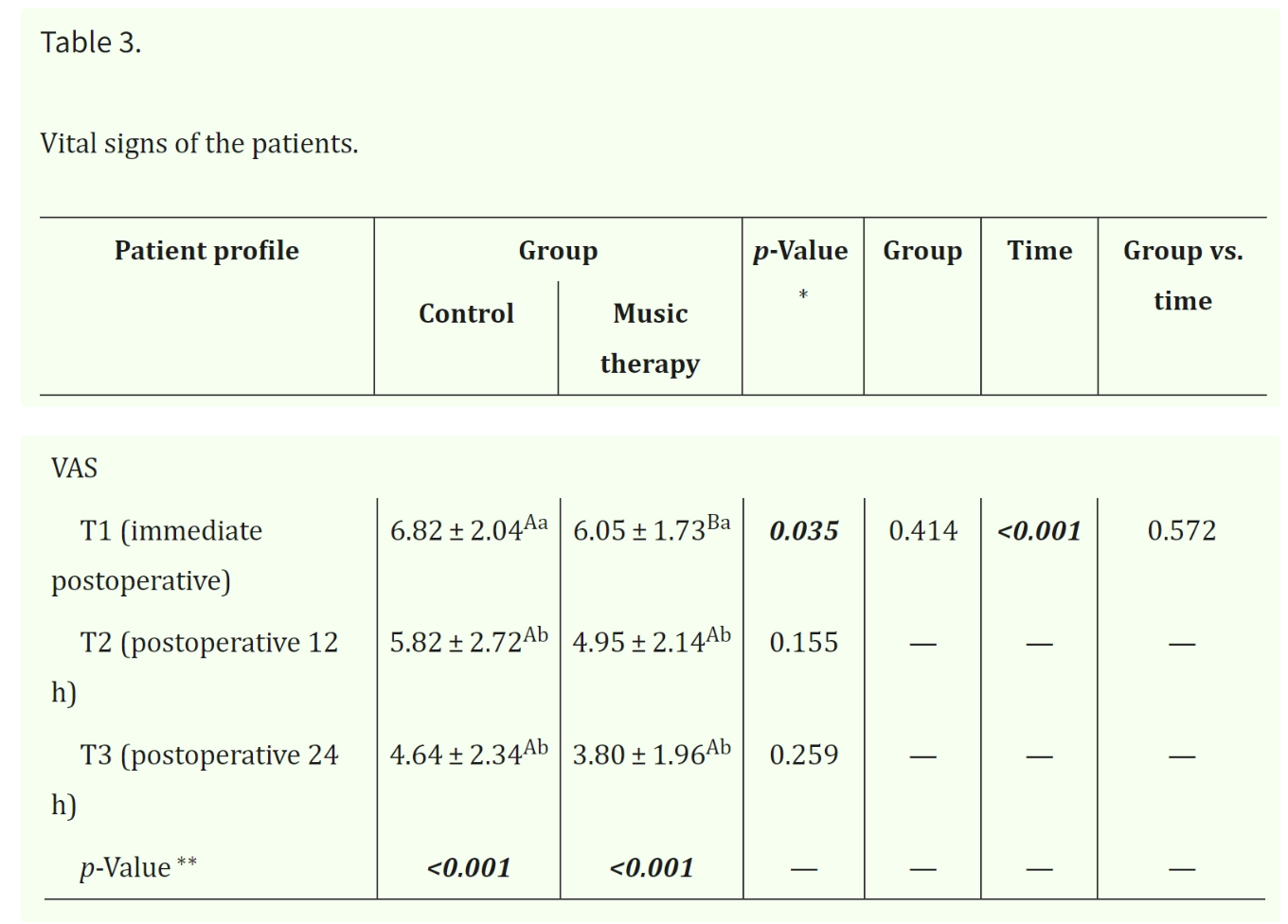
DentalGoodNews|On October 13, 2026, the International Journal of Dentistry published a randomized, blinded, controlled clinical trial. The study enrolled 42 healthy adults undergoing mandibular third molar extraction, and the results showed that compared with the control group without music, the music group had lower pain scores immediately after surgery (VAS: 6.05±1.73 vs. 6.82±2.04, p=0.035), as well as lower postoperative systolic blood pressure and respiratory rate (p=0.021 and p=0.015, respectively).
The study was conducted by a team from Centro Universitário Christus (UNICHRISTUS) in Brazil. Participants were aged 18 to 35 years, all ASA I healthy adults, and all included mandibular third molars were Pell-Gregory Class II-B. The 42 participants were randomly divided into a music group and a control group; both groups wore Beats Studio Pro headphones during surgery, with the music group listening to patient-selected music preoperatively and the control group's headphones kept off. All surgeries were performed under local anesthesia.
The primary outcomes were pain and dental anxiety, and secondary outcomes included vital signs and oral health-related quality of life within 7 days after surgery. Pain was assessed using a 10 cm visual analog scale (VAS), anxiety using the Dental Anxiety Scale (DAS), and quality of life using OHIP-14.
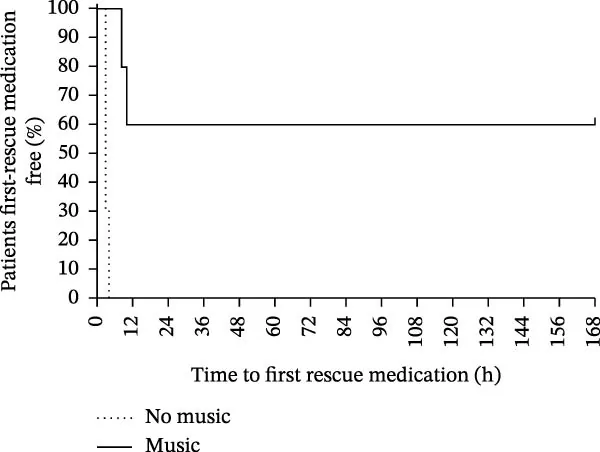
Regarding pain, both groups showed a gradual postoperative decline, but a significant between-group difference appeared only immediately after surgery. Immediately after surgery, the music group's VAS score was 6.05±1.73, versus 6.82±2.04 in the control group (p=0.035); at 12 and 24 hours after surgery, the differences between groups did not reach statistical significance (p=0.155 and p=0.259). Both groups showed significant changes in their own pain scores over time (both p<0.001). In addition, the music group's mean time to first use of rescue analgesics was later than that of the control group (104.00±24.63 hours vs. 3.31±0.13 hours, p<0.001), and the mean number of tablets taken was also lower (0.60±0.84 tablets vs. 6.32±1.09 tablets, p<0.001).
 |
| Source: Effects of Music Therapy on Pain, Anxiety, and Quality of Life During Lower Third Molar Extraction: A Randomized Double‐Blind Clinical Trial |
Regarding anxiety, no statistically significant differences were observed between the two groups. Whether preoperatively or postoperatively, DAS-related indicators showed no significant differences between the groups; oral health-related quality of life assessed by OHIP-14 also showed no significant between-group differences.
The researchers stated that music therapy may be positioned as an adjunctive non-pharmacological measure worth considering during third molar extraction, but under the conditions of this study, intraoperative music listening was associated with lower immediate postoperative pain scores, lower postoperative systolic blood pressure and respiratory rate, and less use of rescue analgesics, but did not show that music could reduce dental anxiety or improve postoperative oral health-related quality of life.
Research sharing the same non-pharmacological adjunct approach has previously appeared in the field of pediatric dentistry. According to a previous report by DGN, a prospective clinical trial published in the Journal of the American Dental Association (JADA) showed that animal-assisted therapy (AAT) may effectively reduce pain perception after pediatric dental procedures and improve physiological stress responses. The results showed that 90% of parents were willing to accept therapy dogs participating in their children's dental treatment, and 68% hoped to include them in routine protocols.
| About DGN:DentalGoodNews (DGN) is a trusted professional media platform dedicated to the global dental industry. We deliver in-depth coverage of corporate news, policy & regulation, investment & funding, and clinical frontiers — serving dental institutions, device manufacturers, investors, and industry researchers worldwide. Contact us: haodeya@dongxizixun.com |

;)