Peking Union Medical College Hospital team first confirms that Oral Fusobacterium periodonticum may promote the development of rectal cancer.
 |
| Source: Fusobacterium periodonticum promotes colorectal tumorigenesis via decanoic acid-driven neutrophil chemotaxis |
DentalGoodNews|On June 24, 2026, a multi-omics study (n=123) published in Nature Communications showed that Fusobacterium periodonticum, a common Oral bacterium, can drive neutrophil chemotaxis through its metabolite Decanoic acid, thereby promoting the occurrence and progression of colorectal cancer. The study was jointly completed by a multidisciplinary team from the Department of Laboratory Medicine, Department of Gastroenterology, and Department of General Surgery at Peking Union Medical College Hospital.
Colorectal cancer (CRC) is one of the most prevalent malignant tumors worldwide. According to 2024 data from the National Cancer Center, both the number of new cases and deaths from CRC in China rank among the top three malignant tumors, with an increasing trend toward younger age at onset. Although previous studies have found that intestinal microbiota dysbiosis is closely related to CRC, the molecular mechanisms by which specific Oral microorganisms cross anatomical barriers and play a role in intestinal tumorigenesis remain incompletely understood.
 |
| Source: Fusobacterium periodonticum promotes colorectal tumorigenesis via decanoic acid-driven neutrophil chemotaxis |
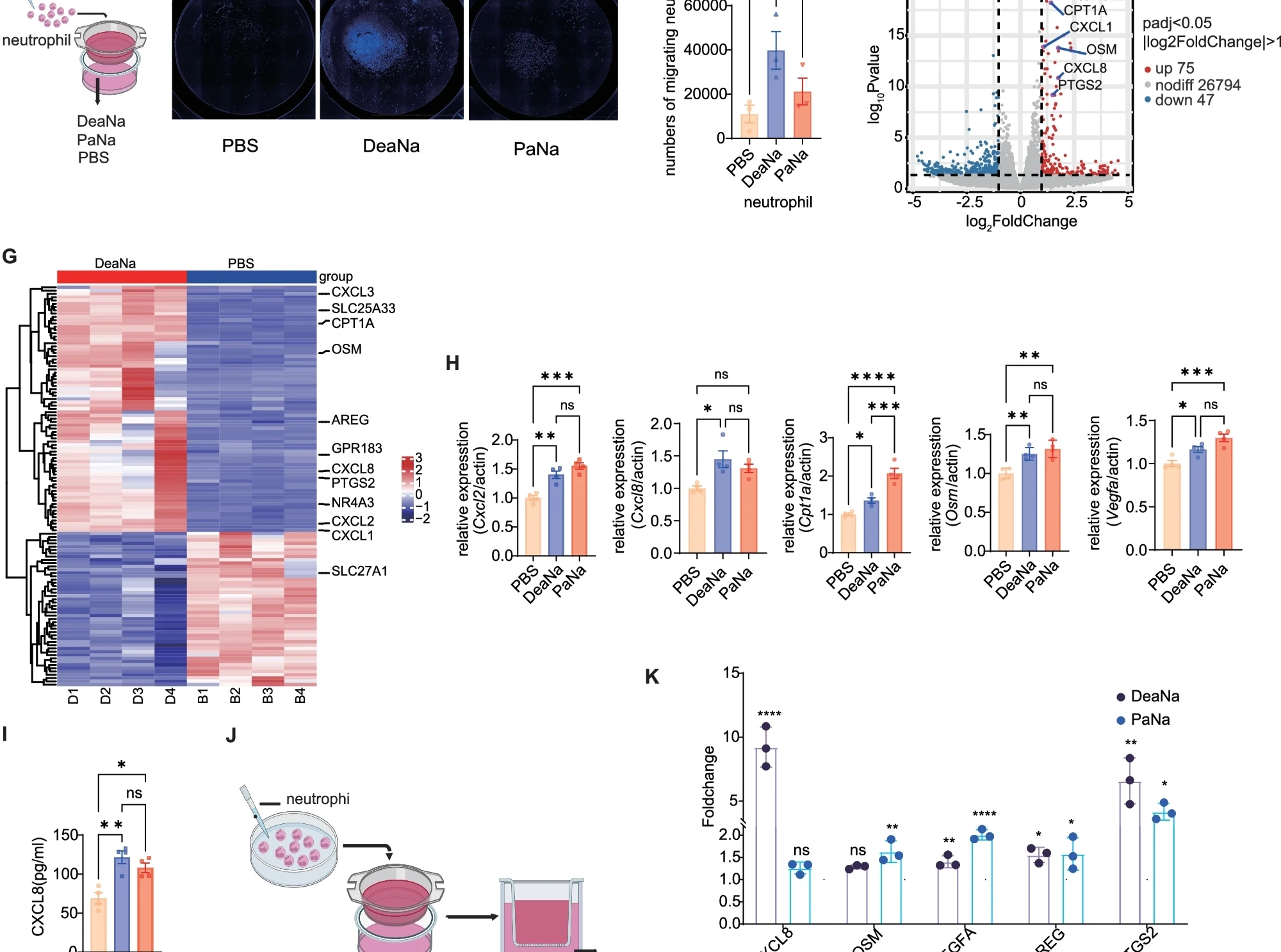
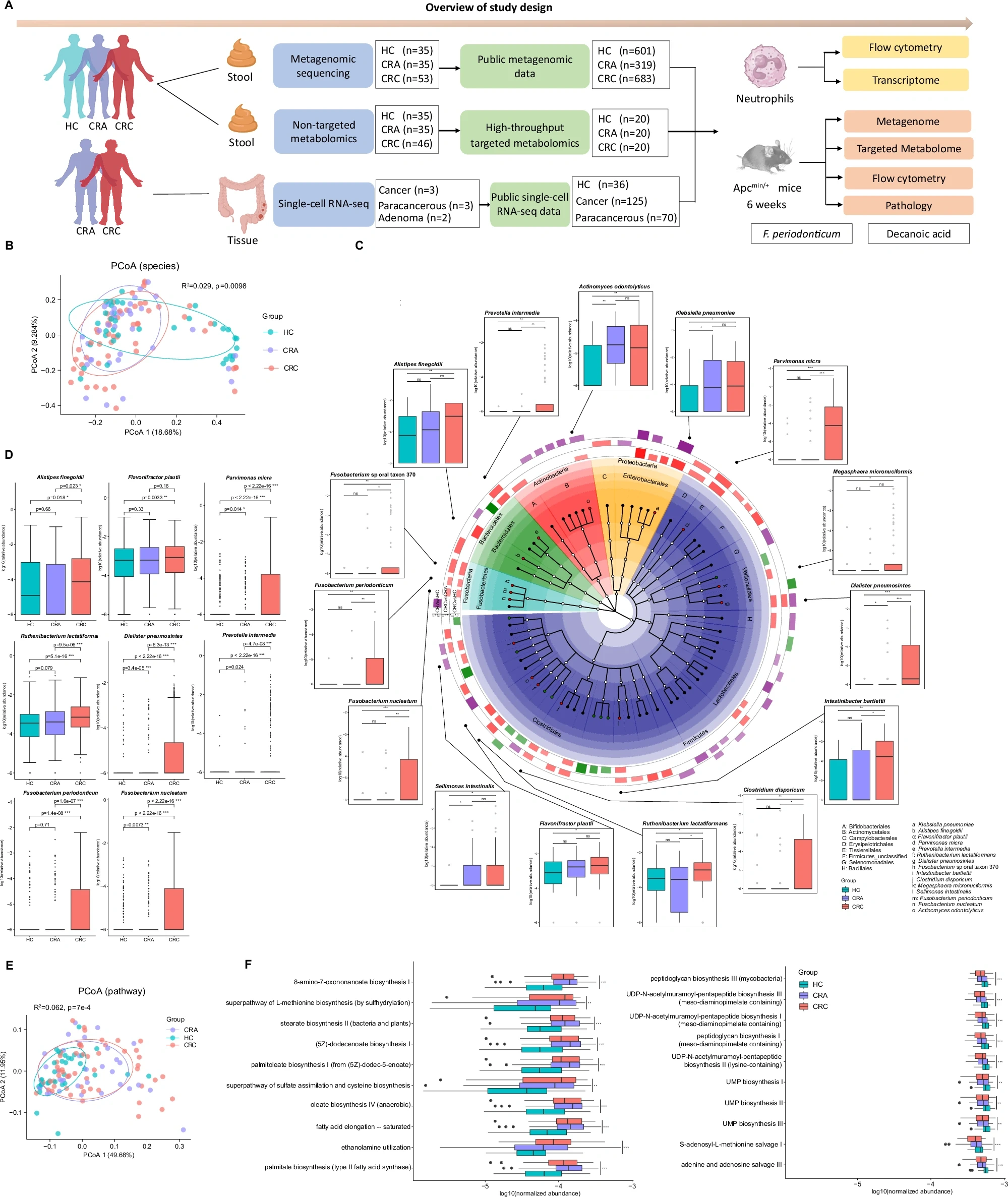
The Peking Union Medical College Hospital team conducted metagenomic and metabolomic analyses of fecal samples from 53 CRC patients, 35 colorectal adenoma (CRA) patients, and 35 healthy controls (HC), and found that Fusobacterium periodonticum was significantly enriched in the gut of CRC patients, and its abundance was significantly positively correlated with the level of the metabolite Decanoic acid. The study further used single-cell transcriptome sequencing and found tissue-specific neutrophil enrichment in CRC tissues, accompanied by high expression of the chemokine CXCL8 and activation of neutrophil-related immune pathways.
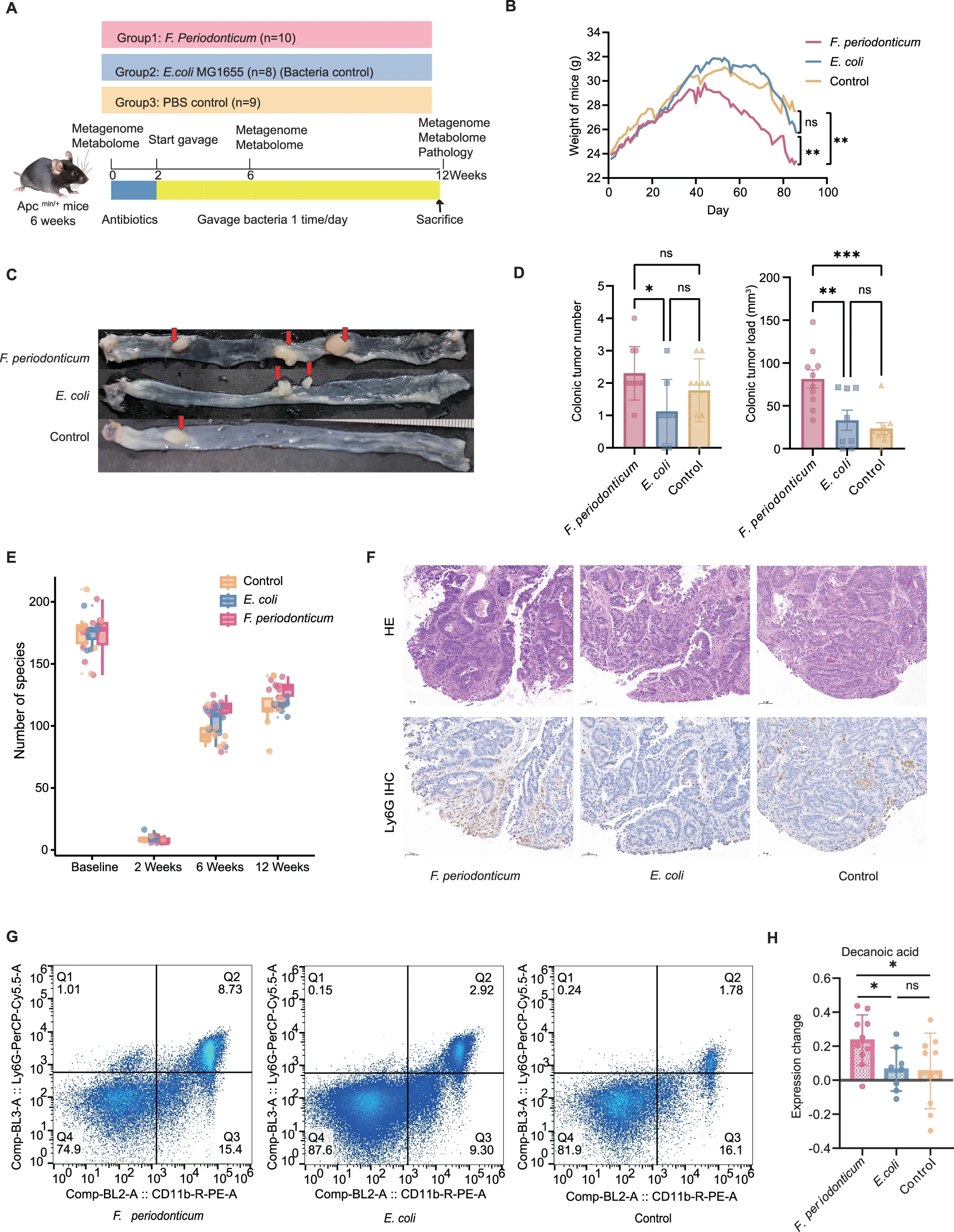
Experimental evidence showed that Decanoic acid produced by Fusobacterium periodonticum enhances neutrophil chemotaxis through a pertussis toxin-sensitive G protein-dependent manner, promoting neutrophil recruitment toward colorectal cancer cells and upregulating gene expression related to cell migration and tumorigenesis. In mouse model experiments, colonization with Fusobacterium periodonticum or supplementation with Decanoic acid alone significantly accelerated intestinal tumor growth and aggravated tissue developmental abnormalities.
 |
| Source: Fusobacterium periodonticum promotes colorectal tumorigenesis via decanoic acid-driven neutrophil chemotaxis |
This discovery provides new mechanistic evidence for the "Oral-gut axis" theory. According to previous reports by DGN, Fusobacterium nucleatum, often associated with gum disease, has previously been shown to potentially accelerate breast tumor progression through the bloodstream. This study on Fusobacterium periodonticum further reveals a new pathway by which Oral pathogenic bacteria regulate the local immune microenvironment through metabolites and promote systemic malignant diseases.
The researchers pointed out that Fusobacterium periodonticum and its metabolite Decanoic acid are expected to become potential biomarkers for early screening and prevention of CRC. By regulating the Oral microecology or intervening in specific bacterial metabolic pathways, new ideas may be provided for the prevention and treatment of CRC. Currently, the study is at the stage of mechanistic exploration, and the relevant conclusions still require further validation through multicenter, large-scale clinical studies.
| About DGN:DentalGoodNews (DGN) is a trusted professional media platform dedicated to the global dental industry. We deliver in-depth coverage of corporate news, policy & regulation, investment & funding, and clinical frontiers — serving dental institutions, device manufacturers, investors, and industry researchers worldwide. Contact us: haodeya@dongxizixun.com |

;)