The School of Stomatology has introduced AI virtual patients to enhance communication skills and medical history collection abilities before clinical internships.
 |
| Image source: University of Colorado Anschutz School of Dental Medicine |
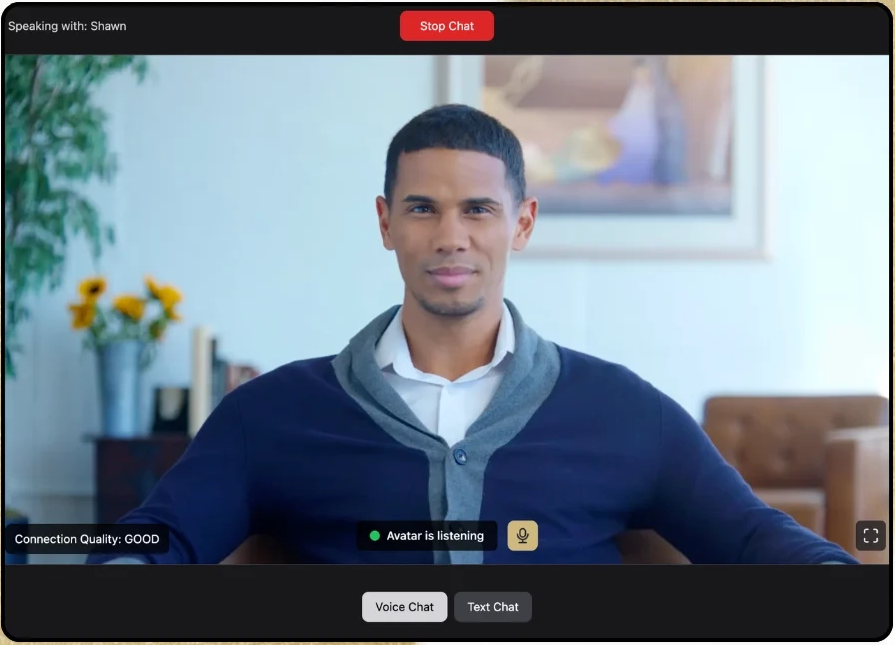
DentalGoodNews|On August 10, 2026, local time, the University of Colorado Anschutz School of Dental Medicine (hereinafter referred to as "CU Anschutz School of Dental Medicine") announced that it is using a new generation of AI-powered avatars to simulate clinician-patient interaction scenarios, helping students improve communication skills and medical history collection abilities before clinical internships.
According to CU Anschutz School of Dental Medicine, the first batch of avatars deployed includes John and Judy, primarily simulating basic patient intake processes. To replicate real-world behavior, these AI avatars do not automatically disclose all relevant information, requiring students to elicit complete medical histories through follow-up questions and guided inquiry. Clint Carlson, Director of Educational Technology Innovation, stated that since real patients cannot always accurately articulate key health information, this design aims to teach students how to "uncover the full story."
Beyond basic intake, advanced avatars named Jessica, Greg, and Shawn introduce more complex scenarios, including mental health screening and emotionally sensitive conversations. Students must guide the avatars through health questionnaire assessments and practice balancing tone, empathy, and clarity of expression when discussing sensitive topics such as behavioral health.
Denise Kassebaum, Dean of CU Anschutz School of Dental Medicine, noted that the application of AI avatars expands the school's investment in simulation-based education. Compared to traditional simulations with human actors, AI systems provide standardized and repeatable interactive experiences. Students can adjust simulation difficulty as needed, request responses in other languages, or repeat the same scenario multiple times for targeted improvement. Additionally, students can create customized avatar versions of specific patients to rehearse complex treatment plan communications or difficult news delivery before actual clinical visits.
Currently, these AI avatars have been integrated into courses such as "Oral Patient Assessment" and "Monitoring and Surrogate Navigation in Geriatric Oral Care," with plans to expand coverage to more clinical teaching segments in the future. According to Clint Carlson, the school is also developing simulation scenarios involving multiple participants (such as joint conversations with elderly patients and their caregivers), and plans to extend the technology from screen-based interfaces to augmented reality (AR) spaces, allowing avatars to enter real treatment rooms or waiting rooms.
| About DGN:DentalGoodNews (DGN) is a trusted professional media platform dedicated to the global dental industry. We deliver in-depth coverage of corporate news, policy & regulation, investment & funding, and clinical frontiers — serving dental institutions, device manufacturers, investors, and industry researchers worldwide. Contact us: haodeya@dongxizixun.com |

;)